What Are You Gonna Do with that Hair? Book Launch

book-launch-collage

Let’s celebrate Black History Month together at the book launch for “What Are You Gonna Do with that Hair?” at Knowledge Bookstore (117 Queen St W, Brampton, Ontario L6Y 1M3) on Saturday, February 25, 2017, at 2pm!

This is a FREE event! Please register on Eventbrite: zurisbeautifulhair.eventbrite.com

For more information, please visit www.knowledgebookstore.com or www.thenaturalhairadvocate.com

Follow us on:
Facebook: The Natural Hair Advocate
Twitter: @TheNHAdvocate
Instagram: @zurisbeautifulhair
#ZurisBeautifulHair

How to two-strand twist your hair

two-strand-twists-with-close-up-blog

Two-strand twists are one of the basic styling techniques for natural hair. They are similar to braids, only you intertwine two strands of hair instead of three.

What you will need:

  • Sulfate-free shampoo and conditioner
  • 
Towel
  • Spray bottle
  • 
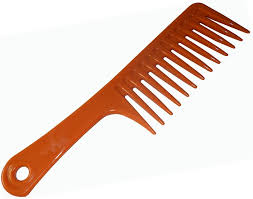
Wide-toothed comb/Detangling brush
  • 
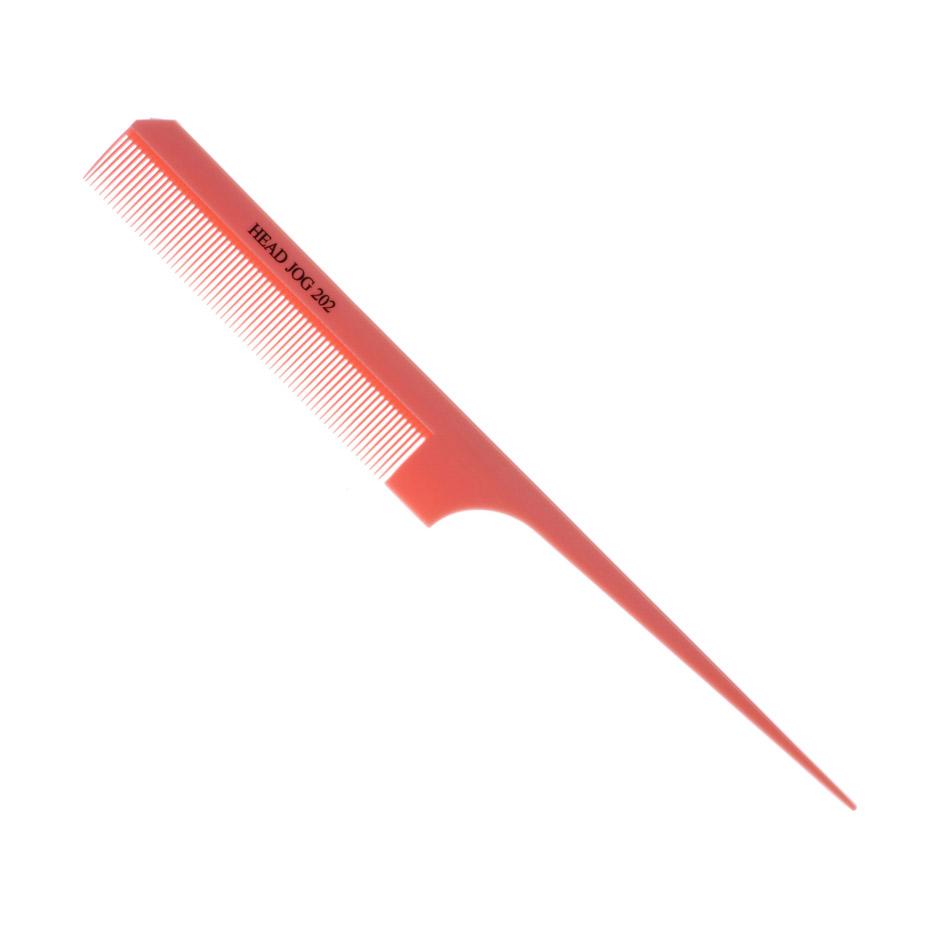
Tail comb
  • Butterfly clips/Snag-free ponytail holders
  • Water-based moisturizer
  • Twisting gel/cream

Steps:

  1. For best results, start with damp hair that has been recently shampooed and conditioned and towel-dried.
  2. Spritz hair with water using a spray bottle.
  3. Use your fingers or a tail comb to divide hair into about 6 to 9 sections, depending on the thickness of the hair.
  4. Separate the sections using butterfly clips or snag-free ponytail holders.
  5. Starting at the back of the head, loosen one section of hair (one on either edge of the nape is usually best).  If the section feels dry, spritz it with some water.
  6. Apply your favourite water-based moisturizer to the section, paying extra attention to the ends of the hair.
  7. Use your fingers/wide-toothed comb/detangling brush to detangle the section of hair.
  8. Apply your favourite twisting cream or gel to the section to the moisturized, detangled section.
  9. Separate a piece of the section (starting from the edge of the nape makes it easier), keeping in mind that the bigger the piece the bigger the size of your twist, and clip the rest of the section to the side.
  10. Split the subsection into two equal strands, pinching one strand in your right hand and pinching the other strand in your left hand.
  11. Twist the two strands together, overlapping the left strand over the right strand, left strand over the right strand, and continue overlapping the left strand over the right strand, down to the end of the twist.
  12. Apply some twisting gel or cream to the ends to keep the twist in place.
  13. Unclip the remainder of the section, and repeat Steps 9-12 until the section is completely twisted.
  14. Move on to the next section of hair, and repeat Steps 5-12 until all of the sections are twisted.

To keep your two-strand twists neat, wear a satin bonnet or use a satin/silk pillowcase when you go to sleep.


Ode to the wide-toothed comb

the gate - Jamaica

The gate that sealed my fate…

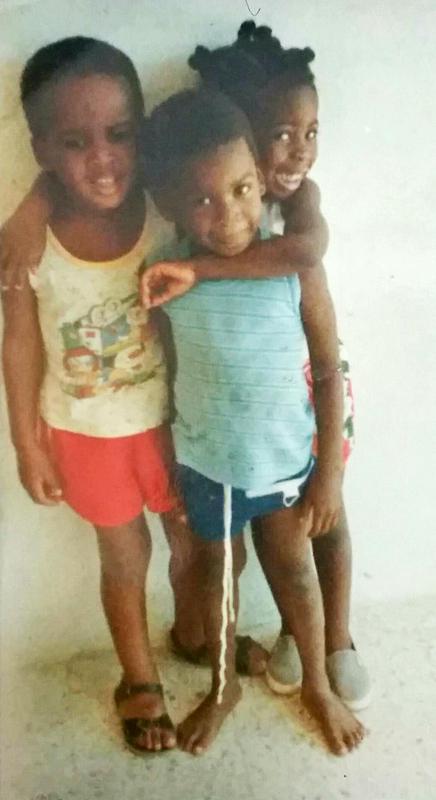
When I was a little girl, I absolutely dreaded combing my hair, especially after having it washed. I have a distinct memory from my first trip to Jamaica when my Mom announced one day that she was going to wash my hair.  A high-speed chase ensued, as I took advantage of the fact that my Grandfather’s house- unlike our apartment in Toronto- had a back door which led around the house to the front courtyard, giving me a chance to make a break for it…Much to my dismay, however, the front gate was locked, which prevented me from running right off the property (to safety).

“Pleeeease just cut it off, pleeeeease, Mommy, cut it off,” I screamed, as my Mom, Dad, and company, chased me around and around the house, til they finally cornered me…and, alas, my fate was sealed…Sadly, my Mom did not cut my hair off that day- she proceeded to wash it- and let’s just say I ended up paying a pretty penny for making her have to exert extra energy to get the job done…

wash day smiles - Jamaica

Me, after the ordeal, with my signature post-wash chiney bumps (aka bantu knots)…my Uncle Geo (middle) and his friend somehow managed to make everything better

Needless to say, I hated washing my hair.  And washing my hair never went down without a fight, which also meant I’d have sudsy water running into my eyes and sometimes even into my nose, which only made the situation worse.

I hated washing my hair because I knew that after the washing and conditioning, came the detangling part, which meant having to endure my Arch-Enemy…the Comb.

fine-tooth comb

My Arch-Enemy for many years

Due to the spiral shape of Black hair, it is prone to getting tangled: the curls end up linking up with each other, forming knots and snarls, which can make combing difficult.  Back when I was a girl, the standard comb was not made with textured-haired girls in mind: the teeth were fine, and therefore couldn’t get past the tangles.  On top of that, in their efforts to “detangle” the hair quickly, our mothers and other caregivers would just yank the comb from the roots, which made for a less than pleasant experience, to say the least, filled with lots of screaming and tears.

So, when the wide-toothed comb finally came on to the scene (around the time when I was eight or nine years old), I counted it as a blessing from on high; and ever since then, my life has never been the same. My wide-toothed comb has changed my life so much that I wrote it a love poem:


Ode to the wide-toothed comb

O wide-toothed comb

When you came into my life,

you removed the pain and strife

of combing through my curls.


tail combO wide-toothed comb,

Once I was tender-headed, and

Doing my hair was dreaded

Since the tines were way too fine


O wide-toothed comb

Using you, I’ve not regretted

And forever I’m indebted

To your wonderful design


O wide-toothed comb

Now detangling I’ll survive

And my hair will grow and thrive

‘Cause you’re made for natural girls

~ Ndija Anderson-Yantha

wide tooth comb


Pretty corny, I admit, lol! But having suffered through my own terrible experiences with having my hair combed, I know that the detangling process can be one of the most frustrating parts of having natural hair.  However, I also want you to know that your child’s natural hair IS actually manageable- you just have to be armed with the right tools, products, and techniques.  And trust me, having the right type of comb or brush can make all the difference!

Here are some tips for detangling natural hair:

  • Separate the hair into 6-12 sections (depending on the thickness) using your fingers, and hold the sections with butterfly clips or ponytail holders
  • Take a section of hair, and use a spray bottle to spritz with water
  • Apply a water-based moisturizer to the section
  • Use your fingers to gently work through the ends
  • Use a wide-toothed comb or a detangling brush to work through the section, while gripping the section with your other hand to absorb the pull of the comb/brush through the hair
  • Comb through the ends first, and then work your way up to the roots

AVOID

  • Raking through natural hair with a fine-toothed comb- this will not only damage your daughter’s hair by ripping through the curls and causing breakage, but it can also make for a very traumatic experience, resulting in tears and creating negative feelings about her hair
  • Combing through natural hair when it’s completely dry, if at all possible- moist hair makes the detangling process easier, as it allows the comb to glide over the curls easier

Believe it or not, combing natural hair DOES NOT have to be a nightmarish process: with the help of a wide-toothed comb and/or a good detangling brush, combing and styling your daughter’s hair can instead become a time for growing closer, passing on traditions, and creating positive memories that will last a lifetime.

What types of tools and techniques do you use for detangling natural hair?


Coming soon…

Meet Zuri
Zuri loves her natural hair and all of the amazing things she can do with it!

Zuri -Coming Soon

Follow her throughout history and around the world as she learns about the beauty and versatility of natural hairstyles in What Are You Gonna Do with that Hair? 

Coming soon…

Tress Stress – Pt. III (or “When you want what you don’t have”)

en·vy
/ˈenvē/
 noun
1. the feeling of wanting to have what someone else has.
2. someone or something that causes envy.


verb
1. to feel a desire to have what someone else has : to feel envy because of (someone or something).

hair envy
noun
1. the feeling of wanting to have hair like someone else.


We always want what we don’t have

Lavinia Lahrese

My fellow lawyer (and YouTube vlogger) Lavinia Lahrese and her beautiful fine natural hair! Check out her channel: www.youtube.com/lavinialahrese

Last week, I was having a conversation with a colleague of mine about Black hair, and she started sharing her experiences with tress stress with me, as a fellow naturalista:

My hair’s so thin! I wish it were thicker, like yours!

I wish my hair was longer! 

When I do my wash-and-go, it doesn’t look like yours!

I think my workmate has beautiful hair- a mane to be envied, even (pictured to the right)! In fact, her hair reminds me of my sister’s: it’s very fine; more curly than it is coily; and it has quite a bit of length too!  Ironically, while both of these ladies have expressed their frustrations to me about their fine natural hair, when I was younger, I remember having my own issues with hair envy- wishing that my hair was more like theirs because nobody ever really wanted to comb mine!


Why? Because I had (and still do have) a lot of hair.  They used to call me “Bush-Head”, actually, because it was so big.  And not only did (do) I have a lot of hair, in terms of density, but it’s also thick! My sister’s hair, on the other hand, was easier to manage- even when it got wet- and therefore was not a hassle.


Wash Day

Wash Day when I, “Bush-Head”, was a toddler (not much has changed since then!)

My sister, Sarah, in SK

My sister, Sarah, in SK


Sadly, hair envy is not uncommon. Whether due to external and/or internal influences, we always seem to want what we don’t have: people with curly hair wish they had straight hair; those with straight hair wish it was curly; people with thin hair wish it was thick; and those with thick hair wish it was thinner!

Over the years,  however, I’ve learned that it really doesn’t pay to envy what other people have– whether that’s hair or anything else, for that matter- because:

(a) It doesn’t change what you have, and

(b) It distracts you from recognizing and valuing what you do have!

All envying really does is cause you unnecessary grief!

The answer to hair envy is hair contentment: you have to get to the place where you are content with what you’ve been given!


So, when my workmate asked me, “how are you so comfortable now with your natural hair?”, I told her exactly that: “you just have to accept what you have, and then make the most of it!”

Big hair don't care

Accepting what’s mine, and making the most of it!

Overcoming hair envy with hair contentment

Having grown up natural, and dealing with my own experience with hair envy as a child, I get it: it’s hard sometimes to be content with what you have, when everything and everyone seems to be saying to you that your hair isn’t good enough!  

But if you want to reduce the type of stress caused by hair envy, and thus be happy with your own tresses, two things need to happen.  You need to recognize and accept that:
(a) Our hair, African hair, is uniquely ours; and
(b) Your hair, as an individual, is uniquely yours.


Uniquely Ours

African/textured hair is uniquely ours: no one has hair like we do!  So instead of focusing on what it supposedly can’t do, focus on what it CAN do– it’s all about perspective!


  • Our hair, in its purely natural state, supposedly CAN’T “move” or blow in the wind, BUT our hair CAN stay in place when you style it. (PS- in case you didn’t know, our hair CAN “move”, both when it’s curly or straightened, depending on how you manipulate it.)
  • Our hair supposedly CAN’T lie flat and it’s too frizzy, BUT our hair CAN be shaped and defined, often without the help of any implements. (PS- our hair CAN lie flat and smooth when it’s stretched or straightened, both with/without the help of gel or styling cream.)
  • Our hair supposedly CAN’T get to waist length at the drop of a dime, BUT our hair CAN go from short to long instantaneously- hello, shrinkage! (PS- our hair CAN get to waist length too, with the right amount of care.)
  • Our hair supposedly CAN’T be “managed” because it’s too tangly, BUT our hair CAN keep braids, rolls, and buns, etc without much assistance, for that very same reason! (PS- our hair CAN be “managed” using the right combs and detangling brushes, some water in a spray bottle, and/or a good moisturizer/conditioner to add some slip!)
Uniquely Yours
It’s also important to remember that your hair, as an individual, is uniquely yours! No one has hair exactly like YOU do! As I mentioned earlier, even my sister and I don’t have the same type of hair; and though your mane may be similar to someone else’s (like Sarah’s is to Lavinia’s), nobody’s is exactly like yours! That should make you excited because what it means is that there is at least one specific thing that your tresses can do that no one else’s can; and once you discover what that thing is, you should embrace it and celebrate it!
Sarah & Me

Sarah and me, celebrating our uniqueness (PS- nobody can wear a ‘fro like me!)

Do you struggle with hair envy? If not, how have you learned to be content with your tresses?

Why braiding matters

Braiding school in Senegal

Honing my braiding skills in Senegal

Ten years ago, I embarked on a journey to learn about the practice of hair braiding around the world. Why? Because, at the time, I noticed that even though hair braiding, in its various forms, was (and has always been) a universal styling technique in various cultures, people seemed to have a negative view of African stylized braiding; and I wanted to know why.

I’ve always loved braids, both wearing them and doing them.  To me, hair braiding is an artform, and I couldn’t understand why people have had a problem with it (and I still don’t know why).  So, I wanted to help people acknowledge the beauty and significance of hair braiding, not only to persons of African descent but to humans all around the globe; I really wanted people to recognize the value of hair braiding as a human practice.

Also, at the time I wrote my Watson project proposal, most of my girlfriends from college and many other Black women I knew had never been taught how to braid– and in many cases, they had no real desire or a need to learn- since, for the most part, they wore their hair straight. So, what this meant was that the practice of stylized braiding, a long-standing tradition in Black culture, was no longer being passed down from mothers to daughters.

Braiding O.N.'s hairThankfully, things were slowly starting to change: more and more women were beginning to return to their natural state.  As a result, braids (which, for a long time, had been reserved simply for the maintenance of little girls’ hair) began to be considered as an appropriate styling choice again.  Even so, many women were still not learning how to braid themselves, or teaching their daughters, for that matter.

Ten years later, that trend toward “going natural” has turned into a movement; and with the Natural Hair Movement now in full effect, I believe the art of braiding has become all the more important.

Spelman Naturalistas

10 years later, and we’re all natural!

Though I don’t expect for anyone to be as crazy about braids as I am, here are a few reasons why I think braiding matters (and why you should learn and also teach your children):

Braiding facilitates day-to-day maintenance and manageability

  • shrinkageBraiding can help stretch your hair if you’re experiencing shrinkage.
  • Braiding your hair into sections can make the washing, conditioning, and moisturizing processes easier, especially if your hair is thick.
  • When your hair is braided, it is easier to oil your scalp.
  • Once your hair is braided, you spend less time on a day-to-day basis doing your hair.
  • Being able to even just plait your hair before you go to bed at night can make a world of difference between having a manageable head of hair or having to spend time detangling your matted tresses the next day.
  • Braiding can be used to create heat-free crimps (also known as a braid-out).

Braids can help with the transitioning process

  • If you’re going natural, and are not ready to go the full nine yards yet by doing a big chop, wearing properly-installed extension braids can help during the process of growing out your hair (which can be a particularly frustrating time, in terms of styling, since your hair is two different textures at the same time).

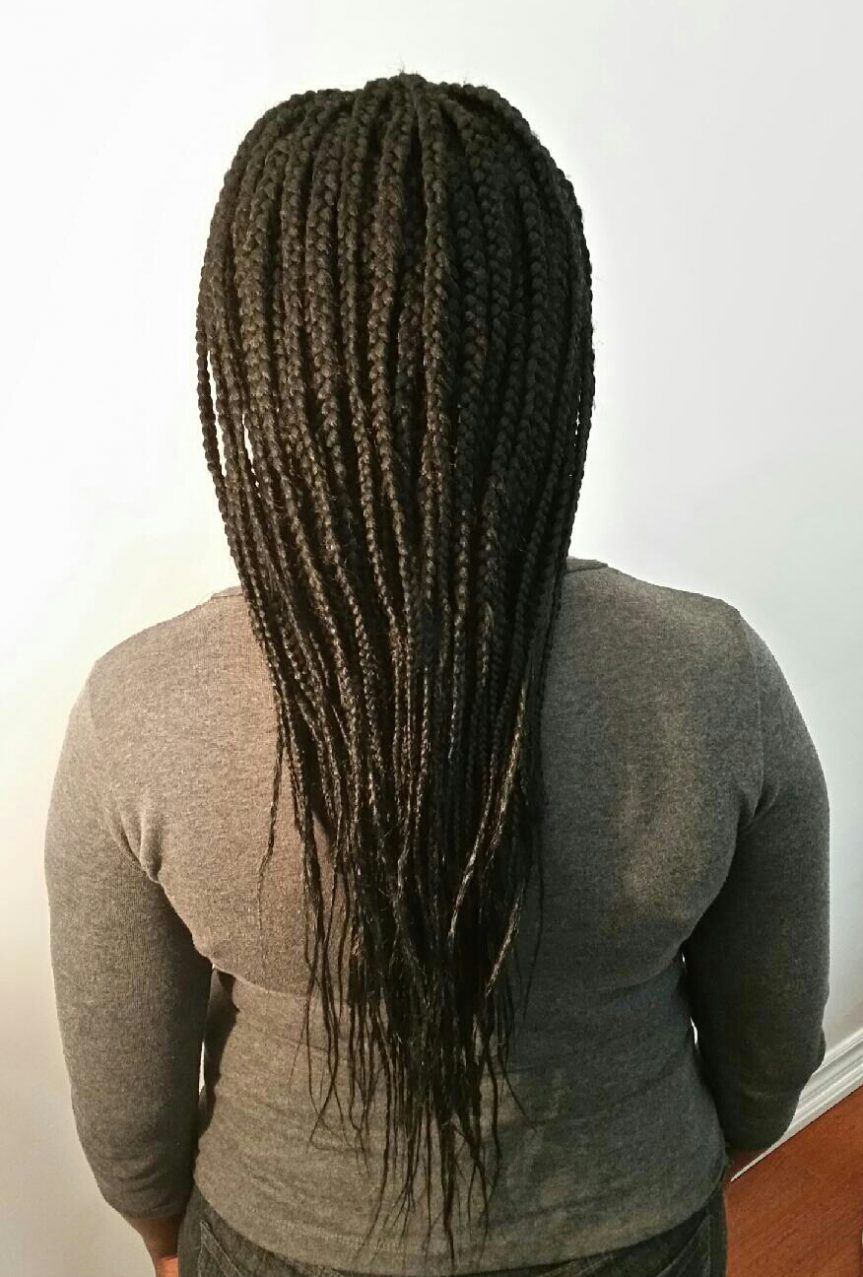
Extension Braids (front)Extension braids (back)

Braids serve as great protective styles (provided they are done properly and are well taken care of)

  • Braids (which also serve as the basis of many protective styles, such as crochet braids and weaves) are great for protecting your mane from the wear-and-tear of constant manipulation; friction from your clothing, pillowcases, etc; and the elements.
  • Make sure you don’t braid your hair too tight, or leave your braids in for too long, otherwise you could do more damage than good to your hair and/or scalp. (Click the following link for Protective Styling Do’s and Don’ts tips from London Ivy ProductsProtective Styling ebooklet)

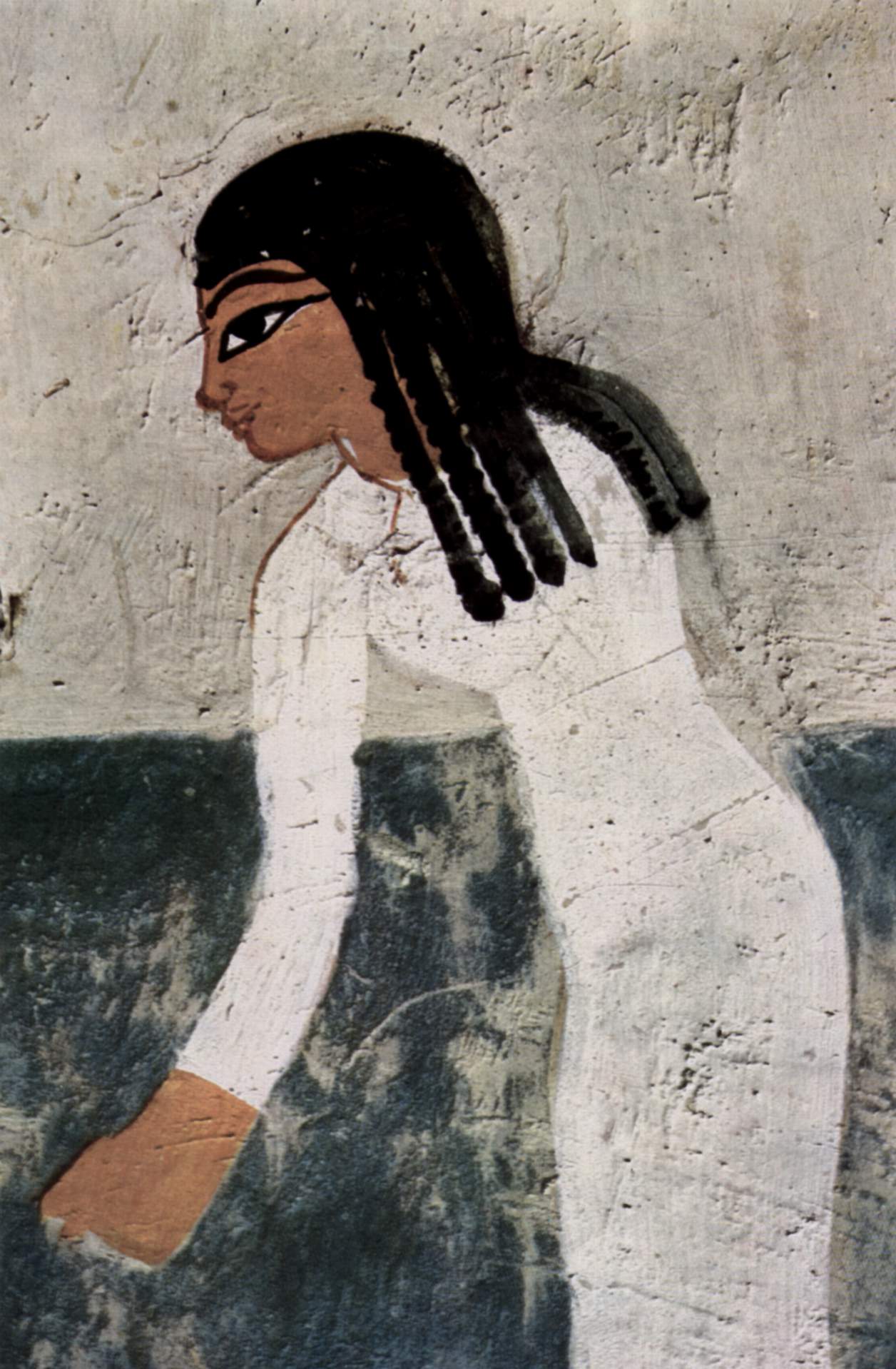
Ancient Egyptian braidsBraids connect us to and are a celebration of our African roots

  • Since the time of the Ancient Egyptians, braiding has been an important cultural and hair maintenance practice throughout the entire African continent.
  • Stylized braiding serves as a cultural souvenir of our African heritage, and is one of the main practices that survived the Middle Passage.
  • By learning how to braid and teaching your children how to braid, you would be carrying on a treasured ancient African tradition.

Braiding and bondingBraiding is bonding

  • Braiding creates bonds between the braider and the person whose hair is being braided- whether it be stylist/client, parent/child, between sisters or friends, etc- given the amount of time such styles may take and the conversations which take place.
  • The act of braiding is very intimate: when someone allows you to braid her hair, she is inviting you into her personal space and trusting that you will handle her hair with some TLC.
  • Braiding your own hair allows for deeper interaction and a better understanding of your tresses.

Braids are beautiful!

  • Braided styles are art: they are essentially hair sculptures!
  • Braiding highlights and displays the unique properties and beauty of textured hair; it’s a styling technique where your kinks and curls work to your advantage!
  • There’s nothing like a well-designed, neat braid-up to make you stand out from the crowd!

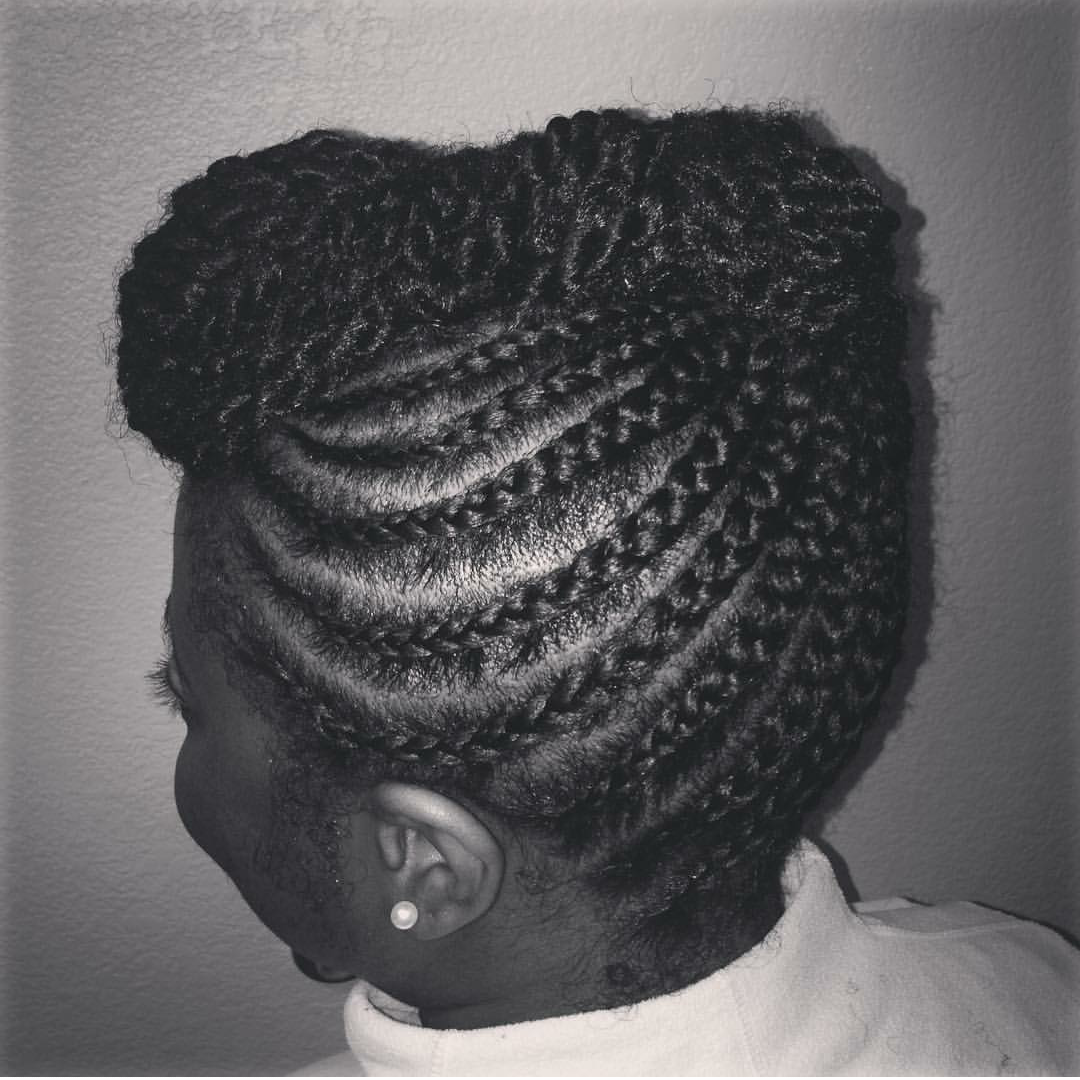
Natural Updo

Do you know how to braid? If not, would you like to learn?

Wrap it Up: A Tribute to the Head Tie

20150815_193018Today, I want to talk about every Black girl’s most treasured possession (next to her wide-toothed comb, of course, lol): her head tie.

In case you’re unfamiliar with the term, a “head tie” or “head wrap” is a piece of cloth or a scarf that is used to cover or wrap your hair, also known as a bandannakerchief, head scarf, gele, dhuku, duku, doek, or tukwi, depending on who’s wearing it and/or its function.  Please keep in mind, different head ties are worn for different purposes; and not all head ties are created equal.

IMG-20160529-WA0000 copy

Sarah-Naomi of Sarah Naomi’s Hair Care & Beauty

Lately, head wraps have been becoming increasingly popular, during our present-day “African Renaissance”, as I like to call it, and falling in step with the Natural Hair Movement.  Everywhere I look, I see Black women wearing bright beautifully patterned African head coverings.  But the head tie is nothing new to Black culture…

A little bit of history…

Portrait_of_a_Haitian_woman

Portrait of a Haitian Woman by François Beaucourt, 1786 (Public Domain)

The head-tie or bandanna was a piece of cloth that female slaves wore to shield their heads from the heat of the sun, absorb sweat, keep their hair clean and their braided styles intact, and to “train” the growth of their hair.

Though head-ties are now considered a traditional African clothing item, when the Europeans explorers first arrived in Africa, people actually wore their hair uncovered. One historian believes that the practice of wearing head-ties may have come from the expectation of women to cover their heads for mass in the New World and in the West African colonial settlements.

For Black slave women, head coverings were used to hide their hair when it was messy because untidy hair was considered disgraceful for women, according to West African traditions. Given the importance of hair in traditional African cultures, not being able to take care of and braid their hair like they used to in Africa was particularly humiliating for slave women, so they used their head ties to cover their shame.

Head ties thus helped female slaves feel a bit better about their appearance, and by the mid-1800s, almost all slave women wore them. Since then, the practice of wearing head ties has been passed down through the generations, and Black women still use them today to cover their hair for various reasons.


My head tie, how do I love thee? Let me count the ways…

When I want to keep my hair clean, I wrap it up!

Untitled 2 copy 2

2016 Color Me Rad 5K, Toronto

As for me, I started thinking a lot about my head tie particularly this past weekend as I was getting ready to do the Color Me Rad 5K.  The night before the 5K, while most people were probably worrying about whether or not they should bring their own water bottle, or if they should run with a backpack, I was at Walmart trying to figure out what I was going to buy to tie my head.  

Why? Because I just wasn’t ready to have to contend with trying to get that coloured powder out of my hair afterwards.  After all, I had no idea what they put in that stuff, and I didn’t want it all up in my ‘fro (mind you, it wasn’t til afterwards that I thought, hey, whatever’s in the powder is now on my skin and in my lungs, for that matter; but that’s another story, lol).  So, I wandered up and down the aisles trying to find a white bandanna, or a cheap pashmina, and even considered just using one my husband’s white t-shirts.  I just needed something to cover my head!

Screenshot_2016-05-31-13-22-49-1 copy Screenshot_2016-05-31-13-34-45-1 copy

I ended up settling on this baseball cap (pictured above), which did its job well enough; but I do know nothing would’ve given me the same coverage as just the right head tie!  The sort of head tie I’m talking about is the one whose only purpose is to keep my hair from getting dirty or in the way.


When I’m feeling like a queen, I wrap it up!

As  I mentioned earlier, with this “African Renaissance” that has been taking place, there’s been a renewed interest and celebration of all things African.  Alongside the Natural Hair and Black Lives Matter Movements, people of the African Diaspora have been retracing and re-appropriating many aspects of our cultural roots, with pride; and, as a result, the head wrap, as a fashion accessory, is really starting to make a comeback, for members of the diasporic community.

Interestingly enough, earlier this year, in Durham, North Carolina, a group of girls at The School for Creative Studies were asked by a school administrator to remove the African geles they were wearing for Black History Month because their school district does not permit students to wear head gear except for religious or medical reasons.  I don’t know about the ins and outs of the school’s dress code policy, but I do know that wearing a head wrap is often more than a mere fashion statement: it’s a tribute to our African ancestry.

For me, these sort of fancy head wraps always remind me of my Auntie, who’s been wearing them ever since I could remember; she’s always embraced Afrocentric fashion.  And when we were younger, she used to dress my sister, cousins and me in West African attire, complete with our head wraps; thanks to her, we grew up being the beautiful African princesses she knew we were.

Office Lens 20160415-122822 copy Office Lens 20160415-110829 copy


And now, as an adult, I know that whenever I wear a head wrap, I feel like a queen: it’s like wearing my own African crown.

Getting my Senegalese headtie Getting Senegalese headtie (3) Senegalese headtie


When I want my hair to “stay good”, I wrap it up!

20150906_133516 copyWhenever I’ve had my hair done, I know there’s no way to keep my hairstyle intact and long-lasting like tying it down with a nice silky head tie- in this case, a head scarf- especially since my hair is natural.  This sort of head tie is typically worn at nighttime to keep the hairstyle from being disturbed by tossing and turning.  This sort of head tie is also worn to protect the hair itself from pillowcases, which can dry out and break textured hair.  And sometimes if an occasion is extra special, this sort of head tie might be worn in public, but only to make sure that all flyaways and frizzies are held down until the last possible moment, so the style looks perfect upon its unveiling!

This particular function of the head tie is one that is not readily understood, and understandably so.  I remember when I was getting ready for my bff’s wedding, my fellow bridesmaids (who were of Korean descent) asked me if I was planning on wearing my head tie (pictured above) for the actual wedding.  I had to explain to them that, even though this scarf matched the colour of our dresses, I was only wearing the head tie to keep my braided style neat.  And, sometimes, that’s all that the head tie is there for!


20160529_202503

Wrap Queens: Me and Monique London of London Ivy Products

When I don’t know what to do, I wrap it up! 

Last, but not least, my head tie saves my life when I have no idea (or time) to do anything with my hair!

As a naturalista, there are times when I just don’t have the time (nor the desire) to do a twist-out, get my hair braided, or pick it out into a ‘fro; so, on the head tie goes! This sort of head tie can come in handy, for instance, on wash day, when you’ve combed out your hair, but haven’t had time to style it (as was the case for me in the picture above, a couple of days ago, when I ran into Monique London of London Ivy Products, who was also sporting her pretty head wrap!); or any other day, for that matter, when you may be having a bad hair day, or are just not in the mood!

So, those are the reasons why I love my head tie! If I’ve inspired you to wear one yourself, check out this link to learn how to tie one: http://www.huffingtonpost.com/2015/07/02/how-to-headwrap-ways-to-tie_n_7705824.html

And if you’re looking to purchase your own African print wraps, check out London Ivy Products: http://londonivyproducts.com/collections/headwraps 


Sources:

Byrd, Ayana D. and Lori L. Tharps. Hair Story: Untangling the Roots of Black Hair in America. New York: St. Martin’s Griffin, 2001, pp. 4, 13.

Rooks, Noliwe M. Hair Raising: Beauty, Culture, and African-American Women. New Jersey: Rutgers University Press, 1996, p. 25.

White, Shane and Graham White, Stylin’: African American Expressive Culture from Its Beginnings to the Zoot Suit. Ithaca: Cornell University Press, 1998, pp. 58, 59, 60.

Wikipedia, “Head Tie”, 2016.

Do you love your head tie as much as I do? How and when do you wear yours?


Black History Month is every month!

image

Yesterday was the last day of Black History Month 2016. As we go through the rest of the year, let us continue to reflect on the history lessons we’ve learned (or re-learned) during this month of cultural celebration.

Let us go forward with a positive mindset and a determination to succeed, like our ancestors did before us!

Let us continue to think critically; question the status quo; and work towards undoing the fallacies that keep us mentally enslaved, so that our future generations can truly be free!

Black History Month is every month! Black history is everyone’s history!

Let’s celebrate Black History all year!

Parents, Support the PUFF!

AfroIn case you haven’t heard about it already, this week, a group of Black female students have been reprimanded for wearing their hair naturally, only this time in the Bahamas (sparking online outrage via the #supportthepuff or #isupportthepuff hashtags). Of course, this type of sanctioning is nothing new; there have been a number of other cases where natural-haired Black children have faced punishment at school for either wearing their hair out, in braids, or in locks. It seems like, for many, Black hair is not considered “school-appropriate” (or work-appropriate) unless it’s flat-ironed or permed, which I think is ridiculous.  But what I find most offensive about these incidents is that, in many cases, the disdain for natural hair is coming from fellow Black people! Alas, the oppressed have now become the oppressor!

So, why is this happening?  It is important to keep in mind that this notion of natural Black hair being “unruly”, “untidy” or “unkempt” by default is one that dates back to slavery, and has been ingrained in our psyche ever since. Negative rhetoric about African hair was used against slaves to rob them of their dignity and humanity, especially since hair design and care were integral cultural practices within African societies. Since slavery days, hair politics of this sort (in conjunction with colourism) have played an important role in constructing “otherness” as it pertains to Black people in society; and it has been perpetuated both within the Black community as well as through the media and social institutions.  This is why in 2016, girls are being threatened with suspension from school for wearing their natural hair, in spite of the Natural Hair Movement.  It is clear that Black hair is still considered an affront to mainstream culture.

Therefore, in a world that continues to make it hard for people of colour to feel comfortable in our own skin, I am urging parents and guardians of Black children to please

Support The PUFF:

Pride – We need to encourage our children to feel a sense of pride about their natural hair. After all, this is how their hair grows out of their heads. So why shouldn’t they be proud of it? Our hair texture and our hairstyles connect us to our rich African ancestry. Before slavery (and colonialism), African peoples took great pride in their hair. Back then, If you had a massive halo of Afro hair, it was a sign of good health and beauty! Moreover, African hairstyling was more than just hair maintenance: each hairstyle had significance and carried important messages about its wearer. Hairstyling was a revered occupation; and African hairstyles were (and still are) art.

Uniqueness – We should teach our children to celebrate the uniqueness of their natural hair. We all recognize that Black hair is different from everyone else’s, but that does’t mean that it’s deficient. Our hair can do things that other types of hair cannot: when it’s styled, it keeps its form and it can be sculpted into various shapes and designs. Not to mention the phenomenon of shrinkage—imagine, you can have long hair and short hair at the same time! It’s time for us to celebrate the unique properties of our hair, and to teach the next generation to do the same.

Freedom – We need to help our children embrace the freedom that comes from not feeling the need to conform to a straight- or long-haired aesthetic. Part of the reason why we often experience so much frustration with our hair is because we try to make it do things that it’s not supposed to do! [For more on this topic, check out Tress Stress – Pt. I: Have you ever tried to straighten a slinky?] When our hair is straightened, we try to avoid water like the plague—whether from sweating, showering, or the rain! And then when we decide to go natural, we try to get our hair to look like someone else’s—whether it’s trying to attain their definition, length, or curl pattern! If we would just accept our hair the way it is, and play to its strengths, we would be free to just be!

Fellowship – We should engage in the fellowship of the ever-growing community of naturalistas and natural hair lovers and allies. Thanks to the internet and social media, there is now a wealth of information, advice, and support to help our children wear their hair natural with ease—all available at our fingertips. There is no longer a need a to feel frustrated or overwhelmed by our hair care woes. We can find strength in each other!

So, together, let’s support the pride, uniqueness, freedom and fellowship that can come from wearing our hair naturally! Our children need to grow up knowing that they are beautifulexactly the way they are! And if we don’t tell them, nobody else will.


Sources:

Hair Story: Untangling the Roots of Black Hair in America by Ayana D. Byrd & Lori L. Tharps.

What will you do to #supportthepuff?


New logo!

I’m pleased to reveal The Natural Hair Advocate’s brand-new logo! I really wanted something that would reflect who I am- a naturalista and an advocate- while also reflecting how my crown of coils connects me to my African roots.

Big thanks to Dylan Gnitecki of Gnitecki Design (http://www.gniteckidesign.com) for bringing my concept to life!

Do you feel like your hair connects you to your roots?