Available Now: What Are You Gonna Do with that Hair?

Everyone knows Zuri as “the girl with the puffy hair.” Her afro is big and fluffy, and not even gravity can keep it down. People often ask her, “What are you gonna do with that hair?” Zuri finds the answer in her cultural hair-itage and shows she can sculpt and shape her curls and coils into beautiful works of African art—braids, ‘locks, bantu knots—in other words, whatever she wants!

This illustrated non-fiction book encourages Black girls to celebrate the beauty and versatility of their natural hair and learn the rich history of natural hairstyles.


Get your copy today!

Available in Canada on Amazon.ca: Click here to purchase.

Also available in-store at Knowledge Bookstore: 177 Queen Street West, Brampton, Ontario L6Y 1M5.

Available in the United States on Amazon.com: Click here to purchase.

Every day is a good hair day!


Making Waves: Black Girls Can Swim Too!

Kazan_2015_-_Simone_Manuel copy

Olympic Gold Medalist Simone Manuel (By Chan-Fan – Own work, CC BY-SA 4.0, https://commons.wikimedia.org/w/index.php?curid=42503090)

As I’m sure we all can agree, this year’s Olympics in Rio will be a session of the Games that we won’t soon forget! In case you missed it, Simone Manuel made history by becoming the first African-American woman to win a gold medal in an individual event. In doing so, she shattered an age-old belief that Black people- and Black women in particular- don’t swim.  This belief had some validity to it because, for a long time, the notion of #SwimmingwhileBlack was constrained by a number of factors, such as segregated pools, socio-economic status, fear, and of course, hair.

Thanks to the phenomenon of “turning back” or reversion, water was once known as the arch-enemy of kinky-, coily-haired folks (and it still is for some).  A splash of H2O could turn the sleekest press-out back into an afro, and at the very least, crinkle even the finest perm, so many Black girls and women would avoid the pool like the plague.

Although wearing your hair naturally does away with those problems, the chlorine in pool water still presents a threat: chlorinated water can wreak havoc on textured heads because it strips precious oils from our already-prone-to-being-dry hair. As a result, Black hair and the swimming pool have not always been on the best of terms.

After my 1st swimming lesson

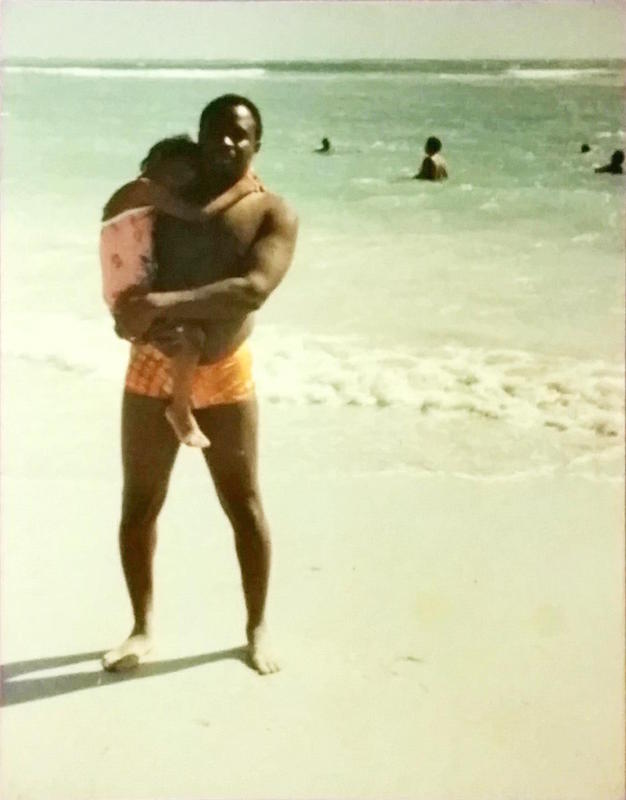
My Dad and me in Jamaica after my 1st swimming “lesson”

Though I grew up around Black people who swam (e.g. my parents, aunts, uncles),  it took me a long time to learn how to swim because I was terrified of water.  During my first trip to Jamaica when I was four, my Dad tried to teach me how to swim the same way he learned: by throwing me into the sea.  Sadly, I was not as fast of a learner as he was; I started sinking, and then I panicked, which only led to me inhaling and swallowing a lot of salty sea water.  Needless to say, I left the beach that day traumatized…with a newfound fear…and no desire to learn how to swim.

Luckily for me, I was forced to learn because my middle school had a pool. Eventually, I grew to love swimming, but I hated having to deal with my hair afterward, even though I was a natural teen.   For me, I wasn’t concerned about my hair turning back, but I still had to contend with getting the chlorine out, which meant frequent washing- with shampoos that weren’t made for my hair (i.e. UltraSwimTM)- and constant detangling.  As a result, my hair suffered and I experienced a lot of breakage back in those days.

Fun at the lake

My sister, cousins and me having fun at a lake in Northern Ontario- all armed with our swim caps

Now, as an adult, I really enjoy swimming, and my husband and I often go for a dip at the gym as a full body workout.  I would be lying to you, though, if I said that my hair is no longer a consideration at all.  Sadly, it still is.  If I know I won’t have enough time to invest in proper post-swim maintenance, I just won’t go; but this is something that I’m really working to overcome because I don’t like the idea of feeling trapped because of my hair. (However, I also don’t like the idea of it all breaking off either!)

Black girls can swim too!

Although Black hair may require some extra attention before diving in, it doesn’t mean you have to give up your dreams of becoming an Olympic swimming champion (or simply your aspirations of becoming a regular at your local pool) just yet.  As Simone Manuel has shown the world, It is possible for Black girls to swim- and with a full head of hair too!

Here are some tips for protecting your hair while swimming:

Before your swim:

  • Saturate your hair with coconut oil or leave-in conditioner before diving in– it will serve as protective barrier between your hair and the water
  • If you don’t have coconut oil or conditioner available, at the very least, drench your hair in the shower to minimize the amount of chlorinated water your hair will absorb once you’re in the pool
  • Plait your hair into 2 or more braids to prevent it from getting tangled
  • If you’re not concerned about making a fashion statement, wear a swim cap

After your swim:

  • Wash your hair with a sulfate-free chelating (formulated to remove mineral deposits) shampoo to help cleanse the chlorine from your hair
  • Deep-condition your hair to restore it to its normal moisture levels
  • Moisturize, detangle, and style your hair as normal

For the past couple of years, I have been using these methods whenever I go swimming, and so far, my hair has been faring pretty well.  So, if you have the desire to become the next Simone Manuel, please don’t let your hair get in the way.  Pull it back, slap on a cap, get in the water, and start making some waves– it’s no secret that there are enough obstacles out there, trying to keep us from achieving our dreams- so let’s not make our hair one of them!

Sources: The Science of Black Hair: A Comprehensive Guide to Textured Hair Care by Audrey Davis-Sivasothy, Saja Publishing, 2011

How do you take care of your hair when you go swimming?

Tress Stress – Pt. III (or “When you want what you don’t have”)

en·vy
/ˈenvē/
 noun
1. the feeling of wanting to have what someone else has.
2. someone or something that causes envy.


verb
1. to feel a desire to have what someone else has : to feel envy because of (someone or something).

hair envy
noun
1. the feeling of wanting to have hair like someone else.


We always want what we don’t have

Lavinia Lahrese

My fellow lawyer (and YouTube vlogger) Lavinia Lahrese and her beautiful fine natural hair! Check out her channel: www.youtube.com/lavinialahrese

Last week, I was having a conversation with a colleague of mine about Black hair, and she started sharing her experiences with tress stress with me, as a fellow naturalista:

My hair’s so thin! I wish it were thicker, like yours!

I wish my hair was longer! 

When I do my wash-and-go, it doesn’t look like yours!

I think my workmate has beautiful hair- a mane to be envied, even (pictured to the right)! In fact, her hair reminds me of my sister’s: it’s very fine; more curly than it is coily; and it has quite a bit of length too!  Ironically, while both of these ladies have expressed their frustrations to me about their fine natural hair, when I was younger, I remember having my own issues with hair envy- wishing that my hair was more like theirs because nobody ever really wanted to comb mine!


Why? Because I had (and still do have) a lot of hair.  They used to call me “Bush-Head”, actually, because it was so big.  And not only did (do) I have a lot of hair, in terms of density, but it’s also thick! My sister’s hair, on the other hand, was easier to manage- even when it got wet- and therefore was not a hassle.


Wash Day

Wash Day when I, “Bush-Head”, was a toddler (not much has changed since then!)

My sister, Sarah, in SK

My sister, Sarah, in SK


Sadly, hair envy is not uncommon. Whether due to external and/or internal influences, we always seem to want what we don’t have: people with curly hair wish they had straight hair; those with straight hair wish it was curly; people with thin hair wish it was thick; and those with thick hair wish it was thinner!

Over the years,  however, I’ve learned that it really doesn’t pay to envy what other people have– whether that’s hair or anything else, for that matter- because:

(a) It doesn’t change what you have, and

(b) It distracts you from recognizing and valuing what you do have!

All envying really does is cause you unnecessary grief!

The answer to hair envy is hair contentment: you have to get to the place where you are content with what you’ve been given!


So, when my workmate asked me, “how are you so comfortable now with your natural hair?”, I told her exactly that: “you just have to accept what you have, and then make the most of it!”

Big hair don't care

Accepting what’s mine, and making the most of it!

Overcoming hair envy with hair contentment

Having grown up natural, and dealing with my own experience with hair envy as a child, I get it: it’s hard sometimes to be content with what you have, when everything and everyone seems to be saying to you that your hair isn’t good enough!  

But if you want to reduce the type of stress caused by hair envy, and thus be happy with your own tresses, two things need to happen.  You need to recognize and accept that:
(a) Our hair, African hair, is uniquely ours; and
(b) Your hair, as an individual, is uniquely yours.


Uniquely Ours

African/textured hair is uniquely ours: no one has hair like we do!  So instead of focusing on what it supposedly can’t do, focus on what it CAN do– it’s all about perspective!


  • Our hair, in its purely natural state, supposedly CAN’T “move” or blow in the wind, BUT our hair CAN stay in place when you style it. (PS- in case you didn’t know, our hair CAN “move”, both when it’s curly or straightened, depending on how you manipulate it.)
  • Our hair supposedly CAN’T lie flat and it’s too frizzy, BUT our hair CAN be shaped and defined, often without the help of any implements. (PS- our hair CAN lie flat and smooth when it’s stretched or straightened, both with/without the help of gel or styling cream.)
  • Our hair supposedly CAN’T get to waist length at the drop of a dime, BUT our hair CAN go from short to long instantaneously- hello, shrinkage! (PS- our hair CAN get to waist length too, with the right amount of care.)
  • Our hair supposedly CAN’T be “managed” because it’s too tangly, BUT our hair CAN keep braids, rolls, and buns, etc without much assistance, for that very same reason! (PS- our hair CAN be “managed” using the right combs and detangling brushes, some water in a spray bottle, and/or a good moisturizer/conditioner to add some slip!)
Uniquely Yours
It’s also important to remember that your hair, as an individual, is uniquely yours! No one has hair exactly like YOU do! As I mentioned earlier, even my sister and I don’t have the same type of hair; and though your mane may be similar to someone else’s (like Sarah’s is to Lavinia’s), nobody’s is exactly like yours! That should make you excited because what it means is that there is at least one specific thing that your tresses can do that no one else’s can; and once you discover what that thing is, you should embrace it and celebrate it!
Sarah & Me

Sarah and me, celebrating our uniqueness (PS- nobody can wear a ‘fro like me!)

Do you struggle with hair envy? If not, how have you learned to be content with your tresses?

Why braiding matters

Braiding school in Senegal

Honing my braiding skills in Senegal

Ten years ago, I embarked on a journey to learn about the practice of hair braiding around the world. Why? Because, at the time, I noticed that even though hair braiding, in its various forms, was (and has always been) a universal styling technique in various cultures, people seemed to have a negative view of African stylized braiding; and I wanted to know why.

I’ve always loved braids, both wearing them and doing them.  To me, hair braiding is an artform, and I couldn’t understand why people have had a problem with it (and I still don’t know why).  So, I wanted to help people acknowledge the beauty and significance of hair braiding, not only to persons of African descent but to humans all around the globe; I really wanted people to recognize the value of hair braiding as a human practice.

Also, at the time I wrote my Watson project proposal, most of my girlfriends from college and many other Black women I knew had never been taught how to braid– and in many cases, they had no real desire or a need to learn- since, for the most part, they wore their hair straight. So, what this meant was that the practice of stylized braiding, a long-standing tradition in Black culture, was no longer being passed down from mothers to daughters.

Braiding O.N.'s hairThankfully, things were slowly starting to change: more and more women were beginning to return to their natural state.  As a result, braids (which, for a long time, had been reserved simply for the maintenance of little girls’ hair) began to be considered as an appropriate styling choice again.  Even so, many women were still not learning how to braid themselves, or teaching their daughters, for that matter.

Ten years later, that trend toward “going natural” has turned into a movement; and with the Natural Hair Movement now in full effect, I believe the art of braiding has become all the more important.

Spelman Naturalistas

10 years later, and we’re all natural!

Though I don’t expect for anyone to be as crazy about braids as I am, here are a few reasons why I think braiding matters (and why you should learn and also teach your children):

Braiding facilitates day-to-day maintenance and manageability

  • shrinkageBraiding can help stretch your hair if you’re experiencing shrinkage.
  • Braiding your hair into sections can make the washing, conditioning, and moisturizing processes easier, especially if your hair is thick.
  • When your hair is braided, it is easier to oil your scalp.
  • Once your hair is braided, you spend less time on a day-to-day basis doing your hair.
  • Being able to even just plait your hair before you go to bed at night can make a world of difference between having a manageable head of hair or having to spend time detangling your matted tresses the next day.
  • Braiding can be used to create heat-free crimps (also known as a braid-out).

Braids can help with the transitioning process

  • If you’re going natural, and are not ready to go the full nine yards yet by doing a big chop, wearing properly-installed extension braids can help during the process of growing out your hair (which can be a particularly frustrating time, in terms of styling, since your hair is two different textures at the same time).

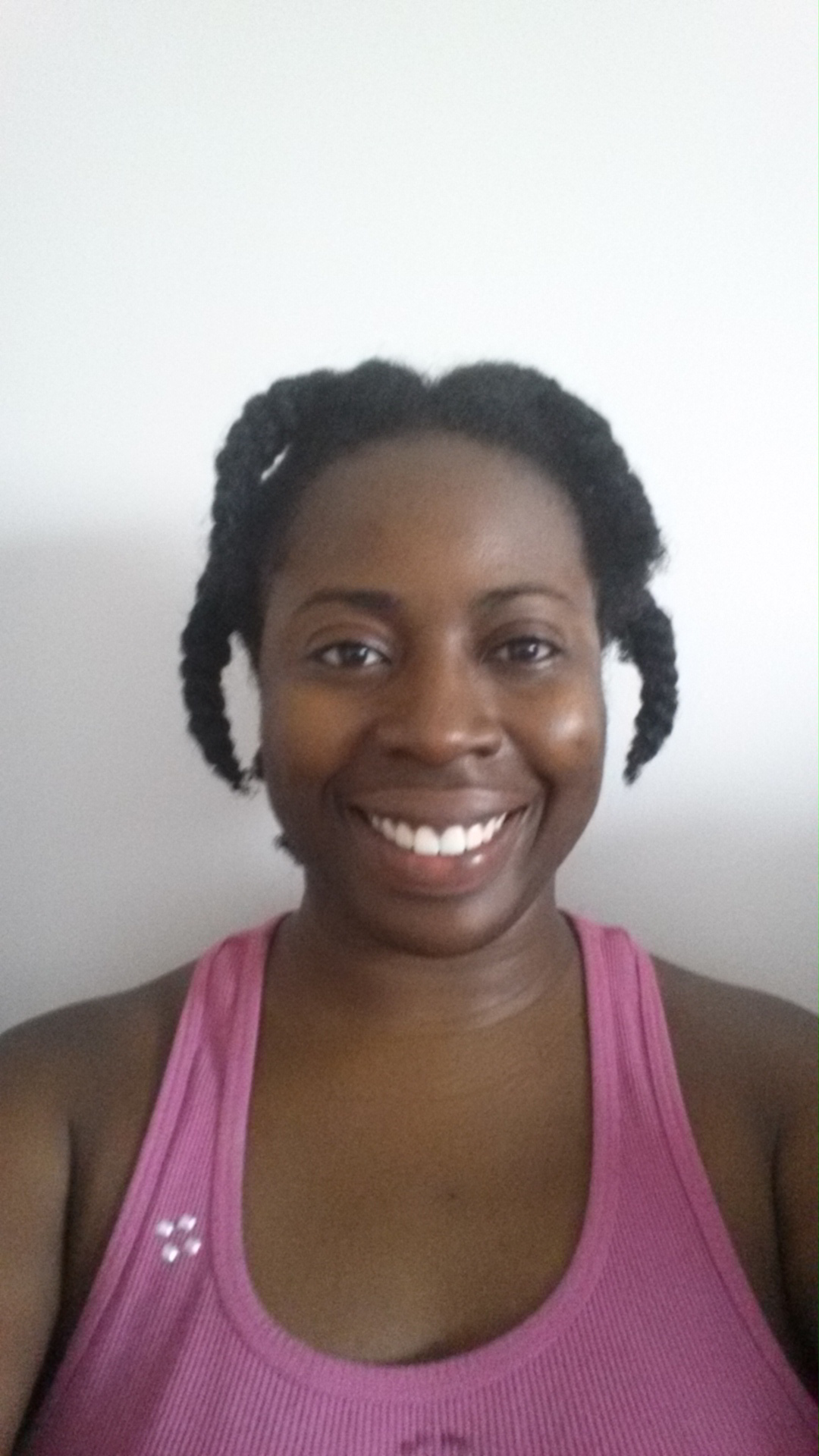
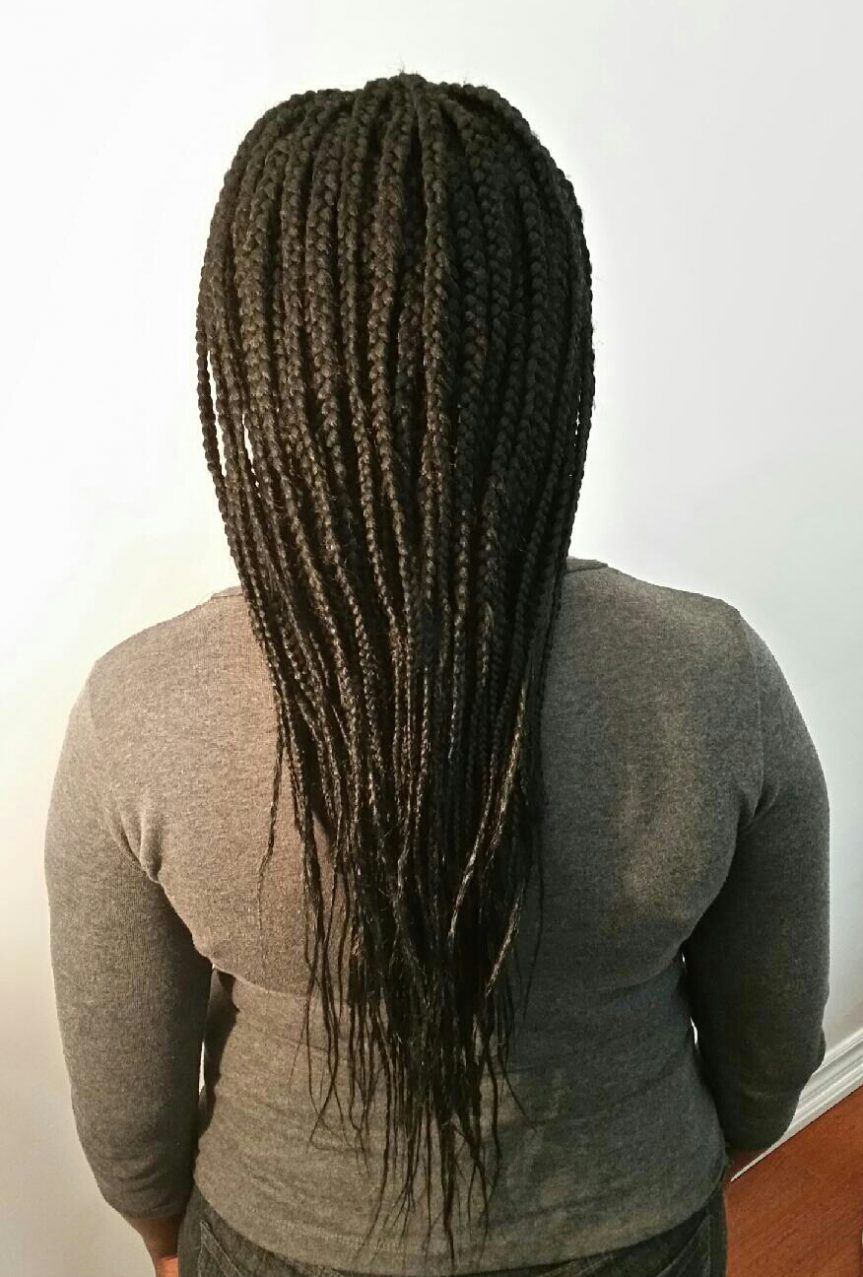
Extension Braids (front)Extension braids (back)

Braids serve as great protective styles (provided they are done properly and are well taken care of)

  • Braids (which also serve as the basis of many protective styles, such as crochet braids and weaves) are great for protecting your mane from the wear-and-tear of constant manipulation; friction from your clothing, pillowcases, etc; and the elements.
  • Make sure you don’t braid your hair too tight, or leave your braids in for too long, otherwise you could do more damage than good to your hair and/or scalp. (Click the following link for Protective Styling Do’s and Don’ts tips from London Ivy ProductsProtective Styling ebooklet)

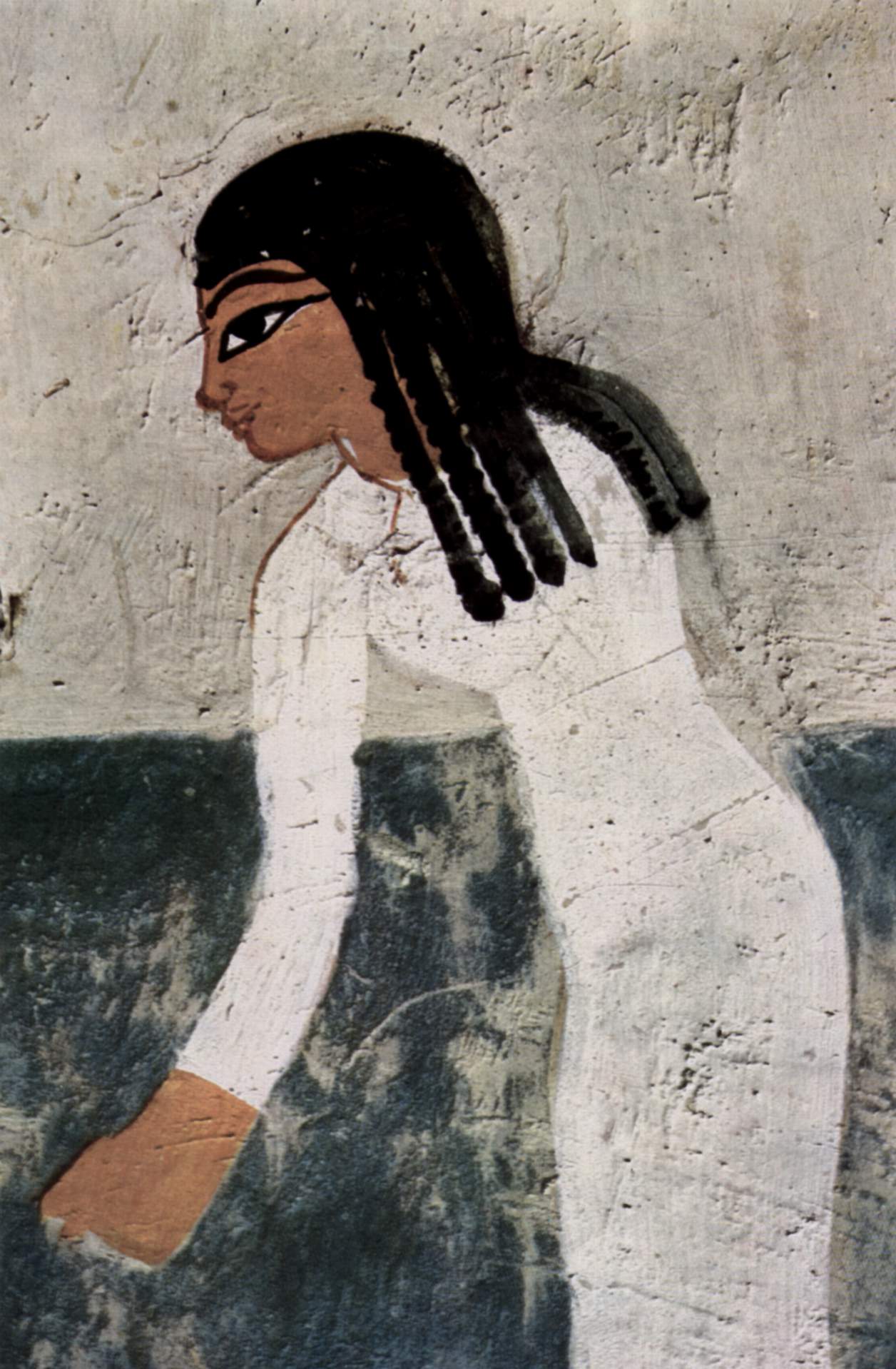
Ancient Egyptian braidsBraids connect us to and are a celebration of our African roots

  • Since the time of the Ancient Egyptians, braiding has been an important cultural and hair maintenance practice throughout the entire African continent.
  • Stylized braiding serves as a cultural souvenir of our African heritage, and is one of the main practices that survived the Middle Passage.
  • By learning how to braid and teaching your children how to braid, you would be carrying on a treasured ancient African tradition.

Braiding and bondingBraiding is bonding

  • Braiding creates bonds between the braider and the person whose hair is being braided- whether it be stylist/client, parent/child, between sisters or friends, etc- given the amount of time such styles may take and the conversations which take place.
  • The act of braiding is very intimate: when someone allows you to braid her hair, she is inviting you into her personal space and trusting that you will handle her hair with some TLC.
  • Braiding your own hair allows for deeper interaction and a better understanding of your tresses.

Braids are beautiful!

  • Braided styles are art: they are essentially hair sculptures!
  • Braiding highlights and displays the unique properties and beauty of textured hair; it’s a styling technique where your kinks and curls work to your advantage!
  • There’s nothing like a well-designed, neat braid-up to make you stand out from the crowd!

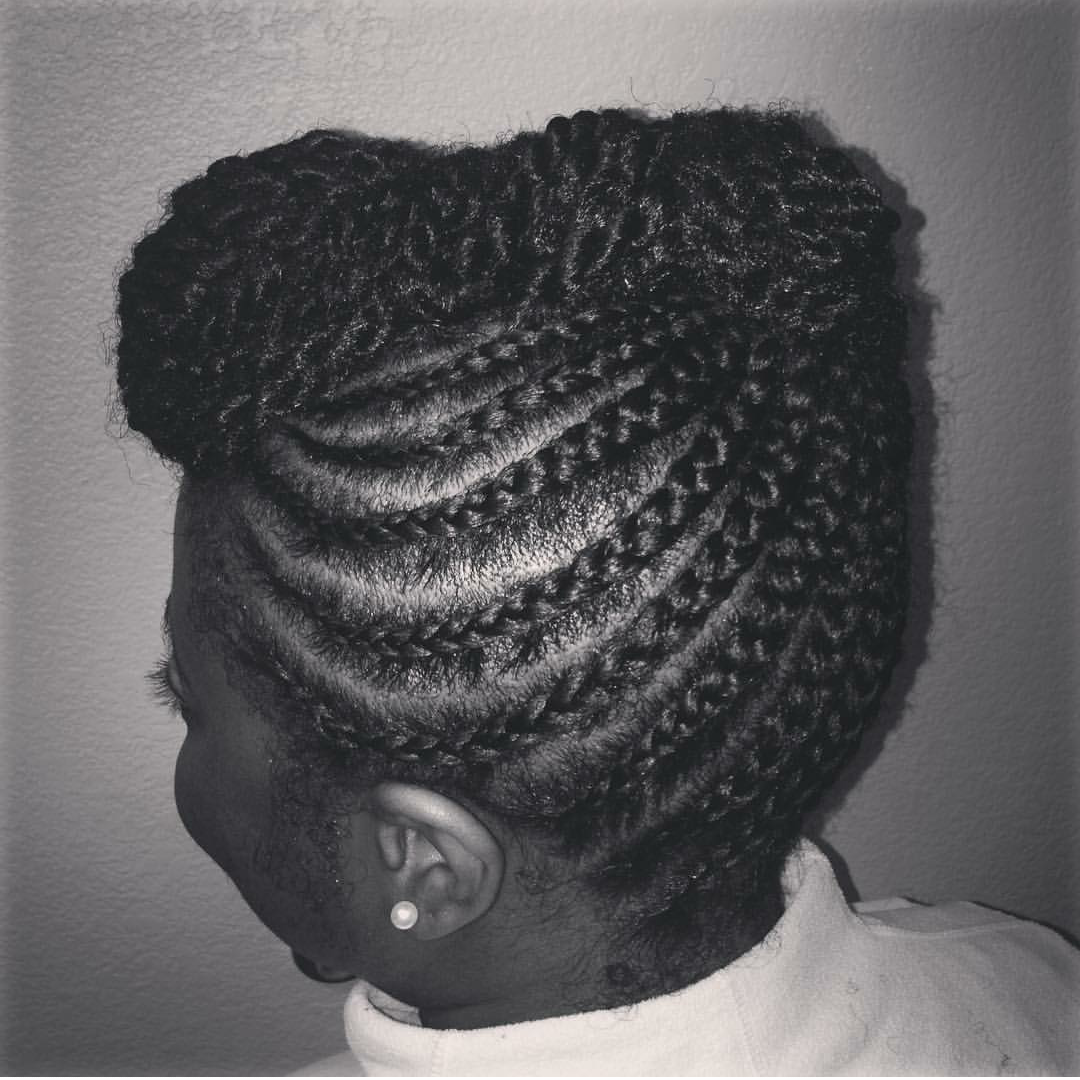
Natural Updo

Do you know how to braid? If not, would you like to learn?

Wrap it Up: A Tribute to the Head Tie

20150815_193018Today, I want to talk about every Black girl’s most treasured possession (next to her wide-toothed comb, of course, lol): her head tie.

In case you’re unfamiliar with the term, a “head tie” or “head wrap” is a piece of cloth or a scarf that is used to cover or wrap your hair, also known as a bandannakerchief, head scarf, gele, dhuku, duku, doek, or tukwi, depending on who’s wearing it and/or its function.  Please keep in mind, different head ties are worn for different purposes; and not all head ties are created equal.

IMG-20160529-WA0000 copy

Sarah-Naomi of Sarah Naomi’s Hair Care & Beauty

Lately, head wraps have been becoming increasingly popular, during our present-day “African Renaissance”, as I like to call it, and falling in step with the Natural Hair Movement.  Everywhere I look, I see Black women wearing bright beautifully patterned African head coverings.  But the head tie is nothing new to Black culture…

A little bit of history…

Portrait_of_a_Haitian_woman

Portrait of a Haitian Woman by François Beaucourt, 1786 (Public Domain)

The head-tie or bandanna was a piece of cloth that female slaves wore to shield their heads from the heat of the sun, absorb sweat, keep their hair clean and their braided styles intact, and to “train” the growth of their hair.

Though head-ties are now considered a traditional African clothing item, when the Europeans explorers first arrived in Africa, people actually wore their hair uncovered. One historian believes that the practice of wearing head-ties may have come from the expectation of women to cover their heads for mass in the New World and in the West African colonial settlements.

For Black slave women, head coverings were used to hide their hair when it was messy because untidy hair was considered disgraceful for women, according to West African traditions. Given the importance of hair in traditional African cultures, not being able to take care of and braid their hair like they used to in Africa was particularly humiliating for slave women, so they used their head ties to cover their shame.

Head ties thus helped female slaves feel a bit better about their appearance, and by the mid-1800s, almost all slave women wore them. Since then, the practice of wearing head ties has been passed down through the generations, and Black women still use them today to cover their hair for various reasons.


My head tie, how do I love thee? Let me count the ways…

When I want to keep my hair clean, I wrap it up!

Untitled 2 copy 2

2016 Color Me Rad 5K, Toronto

As for me, I started thinking a lot about my head tie particularly this past weekend as I was getting ready to do the Color Me Rad 5K.  The night before the 5K, while most people were probably worrying about whether or not they should bring their own water bottle, or if they should run with a backpack, I was at Walmart trying to figure out what I was going to buy to tie my head.  

Why? Because I just wasn’t ready to have to contend with trying to get that coloured powder out of my hair afterwards.  After all, I had no idea what they put in that stuff, and I didn’t want it all up in my ‘fro (mind you, it wasn’t til afterwards that I thought, hey, whatever’s in the powder is now on my skin and in my lungs, for that matter; but that’s another story, lol).  So, I wandered up and down the aisles trying to find a white bandanna, or a cheap pashmina, and even considered just using one my husband’s white t-shirts.  I just needed something to cover my head!

Screenshot_2016-05-31-13-22-49-1 copy Screenshot_2016-05-31-13-34-45-1 copy

I ended up settling on this baseball cap (pictured above), which did its job well enough; but I do know nothing would’ve given me the same coverage as just the right head tie!  The sort of head tie I’m talking about is the one whose only purpose is to keep my hair from getting dirty or in the way.


When I’m feeling like a queen, I wrap it up!

As  I mentioned earlier, with this “African Renaissance” that has been taking place, there’s been a renewed interest and celebration of all things African.  Alongside the Natural Hair and Black Lives Matter Movements, people of the African Diaspora have been retracing and re-appropriating many aspects of our cultural roots, with pride; and, as a result, the head wrap, as a fashion accessory, is really starting to make a comeback, for members of the diasporic community.

Interestingly enough, earlier this year, in Durham, North Carolina, a group of girls at The School for Creative Studies were asked by a school administrator to remove the African geles they were wearing for Black History Month because their school district does not permit students to wear head gear except for religious or medical reasons.  I don’t know about the ins and outs of the school’s dress code policy, but I do know that wearing a head wrap is often more than a mere fashion statement: it’s a tribute to our African ancestry.

For me, these sort of fancy head wraps always remind me of my Auntie, who’s been wearing them ever since I could remember; she’s always embraced Afrocentric fashion.  And when we were younger, she used to dress my sister, cousins and me in West African attire, complete with our head wraps; thanks to her, we grew up being the beautiful African princesses she knew we were.

Office Lens 20160415-122822 copy Office Lens 20160415-110829 copy


And now, as an adult, I know that whenever I wear a head wrap, I feel like a queen: it’s like wearing my own African crown.

Getting my Senegalese headtie Getting Senegalese headtie (3) Senegalese headtie


When I want my hair to “stay good”, I wrap it up!

20150906_133516 copyWhenever I’ve had my hair done, I know there’s no way to keep my hairstyle intact and long-lasting like tying it down with a nice silky head tie- in this case, a head scarf- especially since my hair is natural.  This sort of head tie is typically worn at nighttime to keep the hairstyle from being disturbed by tossing and turning.  This sort of head tie is also worn to protect the hair itself from pillowcases, which can dry out and break textured hair.  And sometimes if an occasion is extra special, this sort of head tie might be worn in public, but only to make sure that all flyaways and frizzies are held down until the last possible moment, so the style looks perfect upon its unveiling!

This particular function of the head tie is one that is not readily understood, and understandably so.  I remember when I was getting ready for my bff’s wedding, my fellow bridesmaids (who were of Korean descent) asked me if I was planning on wearing my head tie (pictured above) for the actual wedding.  I had to explain to them that, even though this scarf matched the colour of our dresses, I was only wearing the head tie to keep my braided style neat.  And, sometimes, that’s all that the head tie is there for!


20160529_202503

Wrap Queens: Me and Monique London of London Ivy Products

When I don’t know what to do, I wrap it up! 

Last, but not least, my head tie saves my life when I have no idea (or time) to do anything with my hair!

As a naturalista, there are times when I just don’t have the time (nor the desire) to do a twist-out, get my hair braided, or pick it out into a ‘fro; so, on the head tie goes! This sort of head tie can come in handy, for instance, on wash day, when you’ve combed out your hair, but haven’t had time to style it (as was the case for me in the picture above, a couple of days ago, when I ran into Monique London of London Ivy Products, who was also sporting her pretty head wrap!); or any other day, for that matter, when you may be having a bad hair day, or are just not in the mood!

So, those are the reasons why I love my head tie! If I’ve inspired you to wear one yourself, check out this link to learn how to tie one: http://www.huffingtonpost.com/2015/07/02/how-to-headwrap-ways-to-tie_n_7705824.html

And if you’re looking to purchase your own African print wraps, check out London Ivy Products: http://londonivyproducts.com/collections/headwraps 


Sources:

Byrd, Ayana D. and Lori L. Tharps. Hair Story: Untangling the Roots of Black Hair in America. New York: St. Martin’s Griffin, 2001, pp. 4, 13.

Rooks, Noliwe M. Hair Raising: Beauty, Culture, and African-American Women. New Jersey: Rutgers University Press, 1996, p. 25.

White, Shane and Graham White, Stylin’: African American Expressive Culture from Its Beginnings to the Zoot Suit. Ithaca: Cornell University Press, 1998, pp. 58, 59, 60.

Wikipedia, “Head Tie”, 2016.

Do you love your head tie as much as I do? How and when do you wear yours?


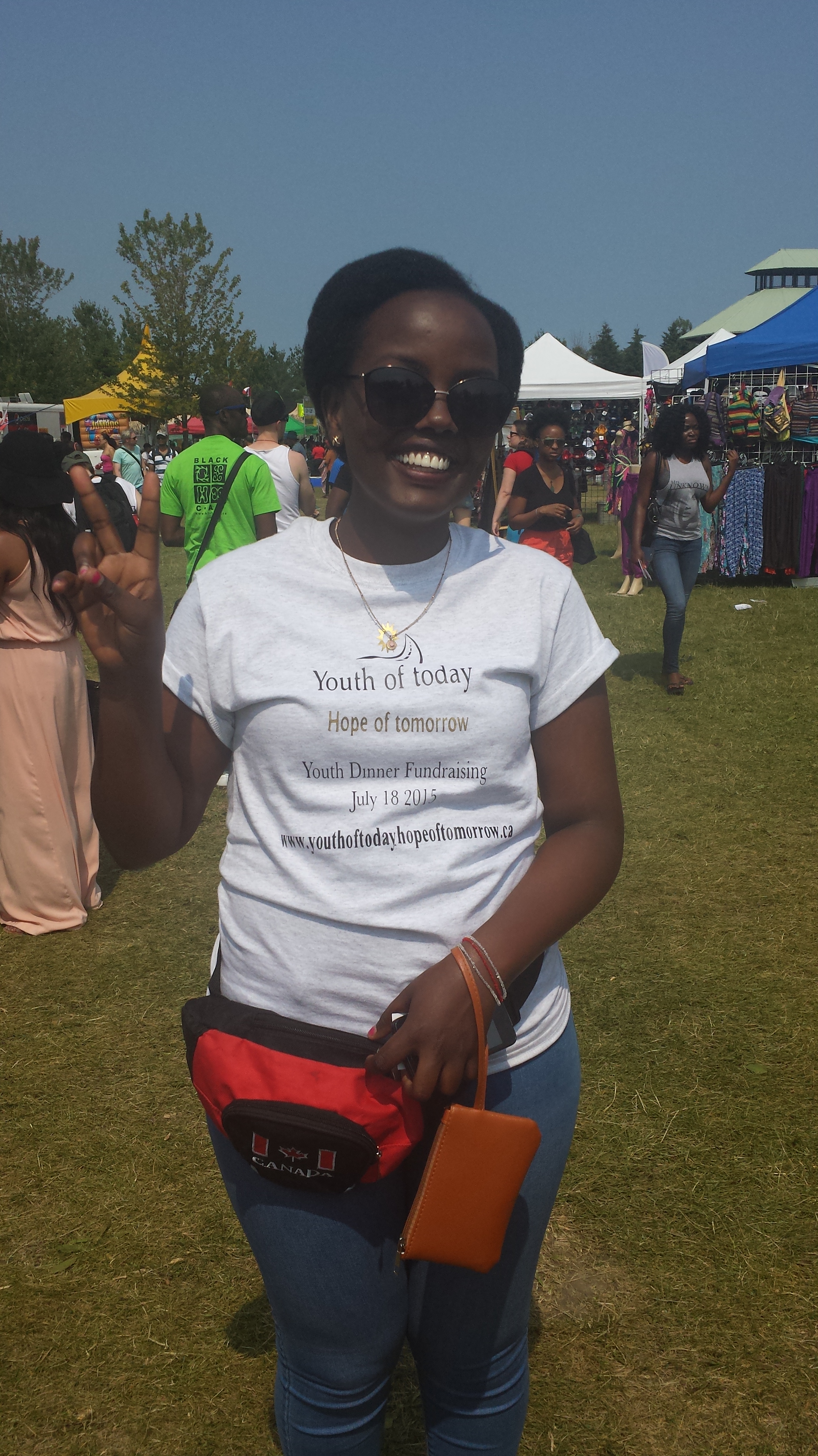
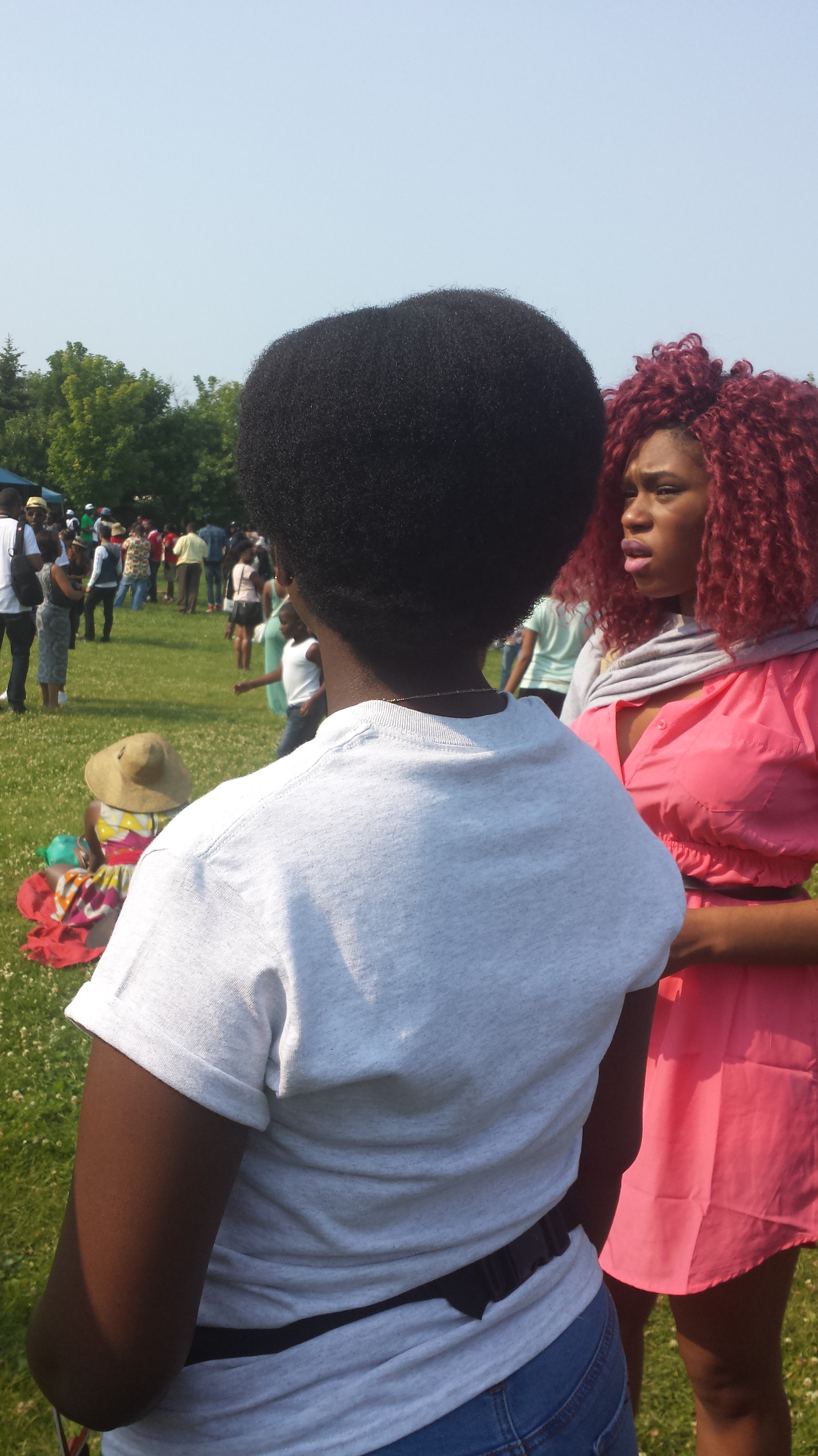
The Natural Hair Movement is here to stay: Afrofest 2015

20150704_174203

For the past 27 years, Afrofest has been bringing the rhythms, flavours, creativity, and vibrancy of the African continent to the heart of Toronto, in a free festival that attracts thousands of people annually.

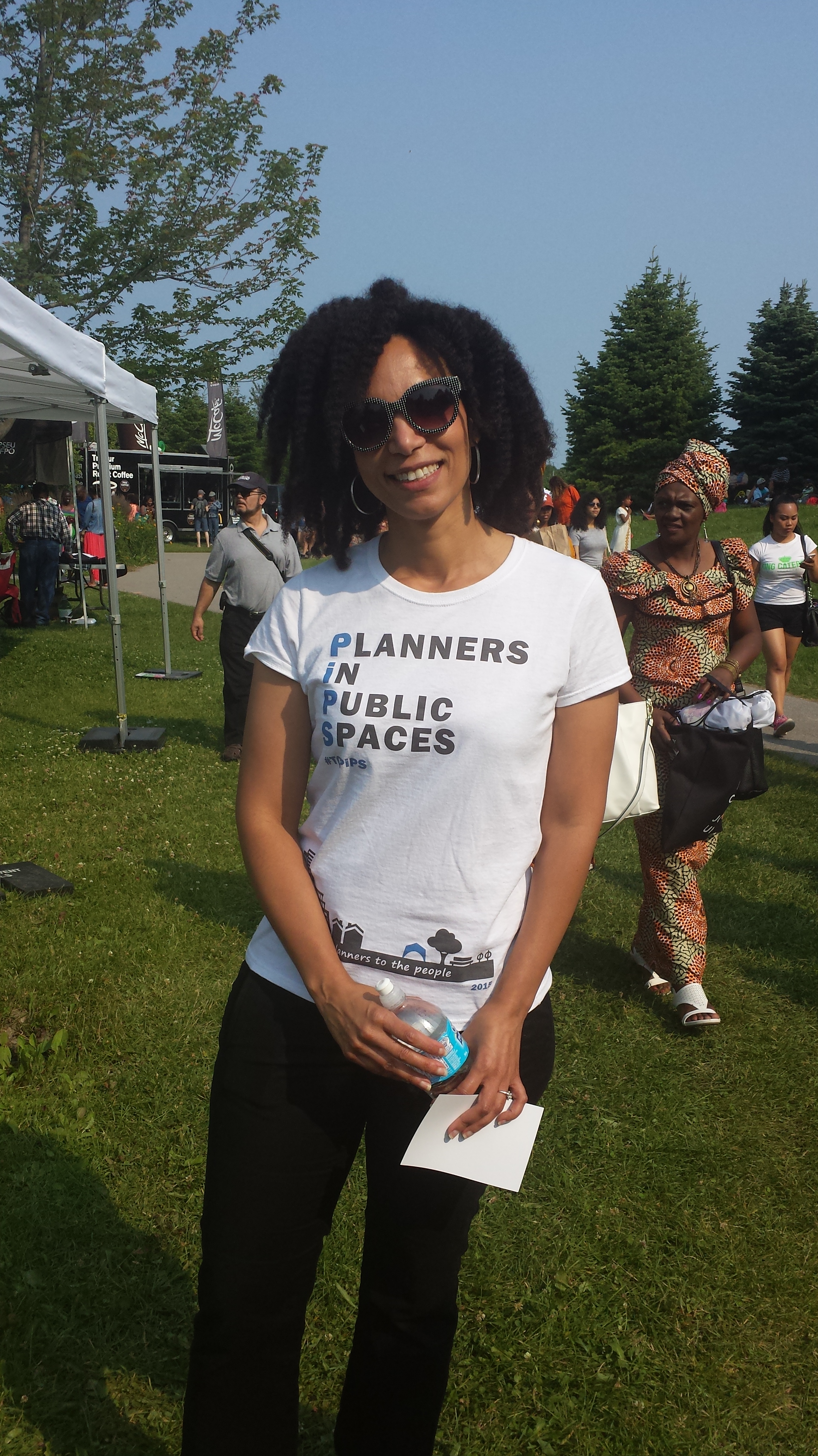
This Saturday, I headed down to the festival at Woodbine Park, with my hubby and my brother, to not only celebrate Mama Africa but to also ask some of her daughters the following question:

Is the Natural Hair Movement just a trend, or is it here to stay?

First, I met Marilyn.  “It’s about time!” was her response, when asked for her thoughts on the traction of the Natural Hair Movement.  Marilyn started out her natural hair journey “spit-shine bald” two years ago, and now sports an oh-so-perfect asymmetrical ‘fro!


20150704_152532 20150704_152737 20150704_165730


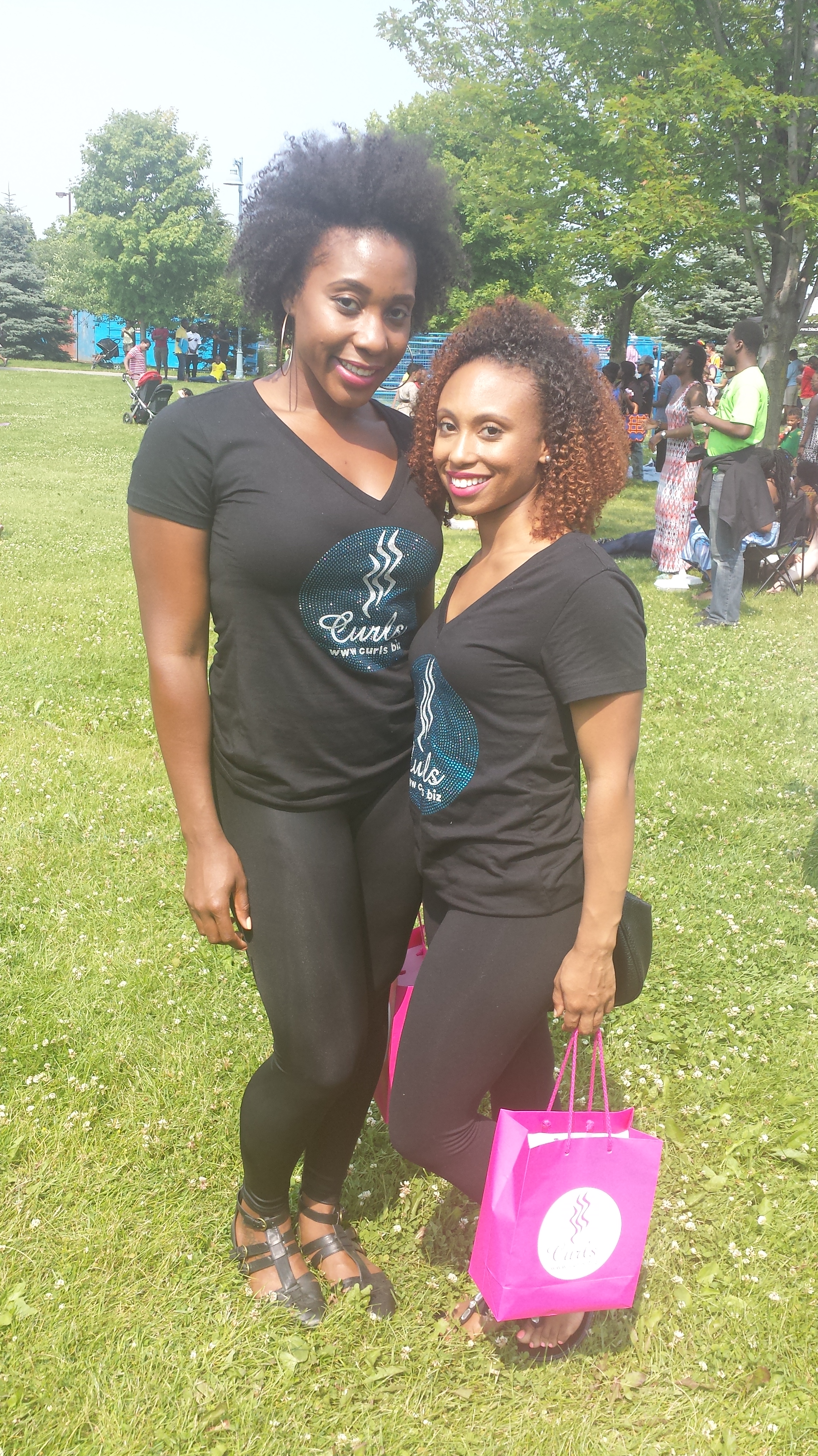
20150704_154305Then I had the privilege of running into YouTube sensation, Samantha Gomez of I’m Samantha Gomez (click here to check out her channel), and fitness, lifestyle and hair blogger, Alaina Gomez-Henry of Shorty with a Curl (click here to visit her blog), who were working the festival as representatives for CURLS™ Hair Products.

They both agreed that the Natural Hair Movement is here to stay.  “People are embracing it more and more,” stated Samantha.

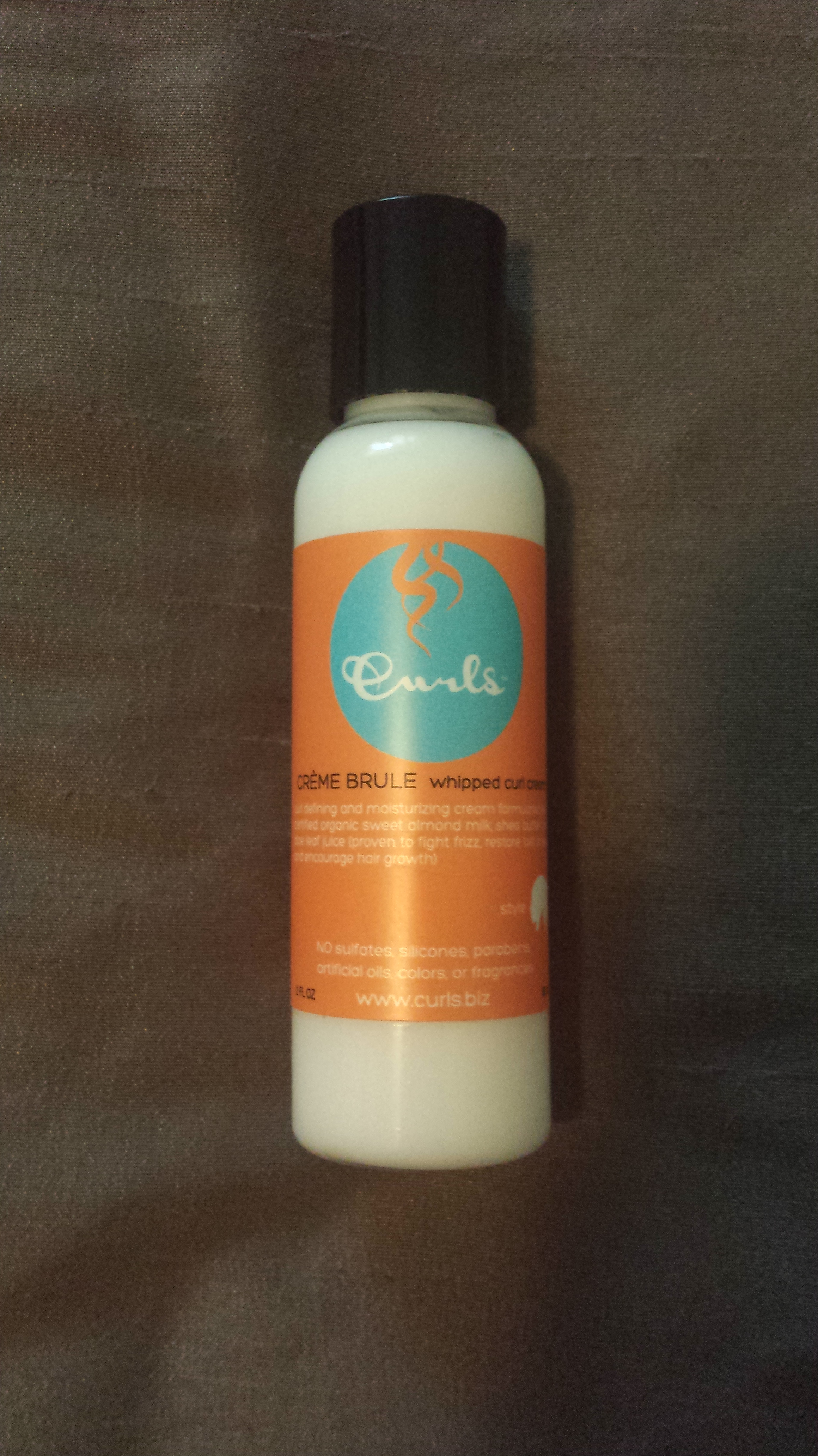
These beautiful curlistas were also kind enough to bless me with some samples of one of my favourite styling products, CURLS™ Crème Brule Whipped Curl Cream (love how it defines my curls!), which made my day!

Perfect travel size too!

Who doesn’t like crème brûlée?

20150704_163536Later, I met the lovely Shaniqua, wearing extension braids with grey highlights, at the Black Experience Project tent.  She was recruiting participants for the BEP Project, an important study about the “‘lived experience’ of individuals across the Greater Toronto Area who self-identify as Black or of African heritage” (if you’re interested in participating in the study, click here).

Shaniqua thinks that the Natural Hair Movement is here to stay, as “people are reconnecting with themselves and are embracing themselves.”  She shared that she decided to go natural about 4 years ago, when her hair had broken off from perming it.  The breaking point for her was when her stylist wanted $125 to perm just a couple of inches of hair…needless to say, she has been natural ever since!


20150704_170327

Then I chatted with Sipo, whose glorious twist-out I spotted at the City of Toronto tent.  Sipo believes that the Movement is here to stay:  “Once you go natural, and get used to it, you never go back!”

She shared that earlier on in her hair journey, she would go to Afrofest just to check out the hair—the festival offered a great opportunity to see what kinds of hairstyles other people were trying out!

And I agree with her—what better place to get a snapshot of what’s happening in Toronto’s Black hair scene than a gathering of brothers and sisters from across the African continent and the Diaspora?

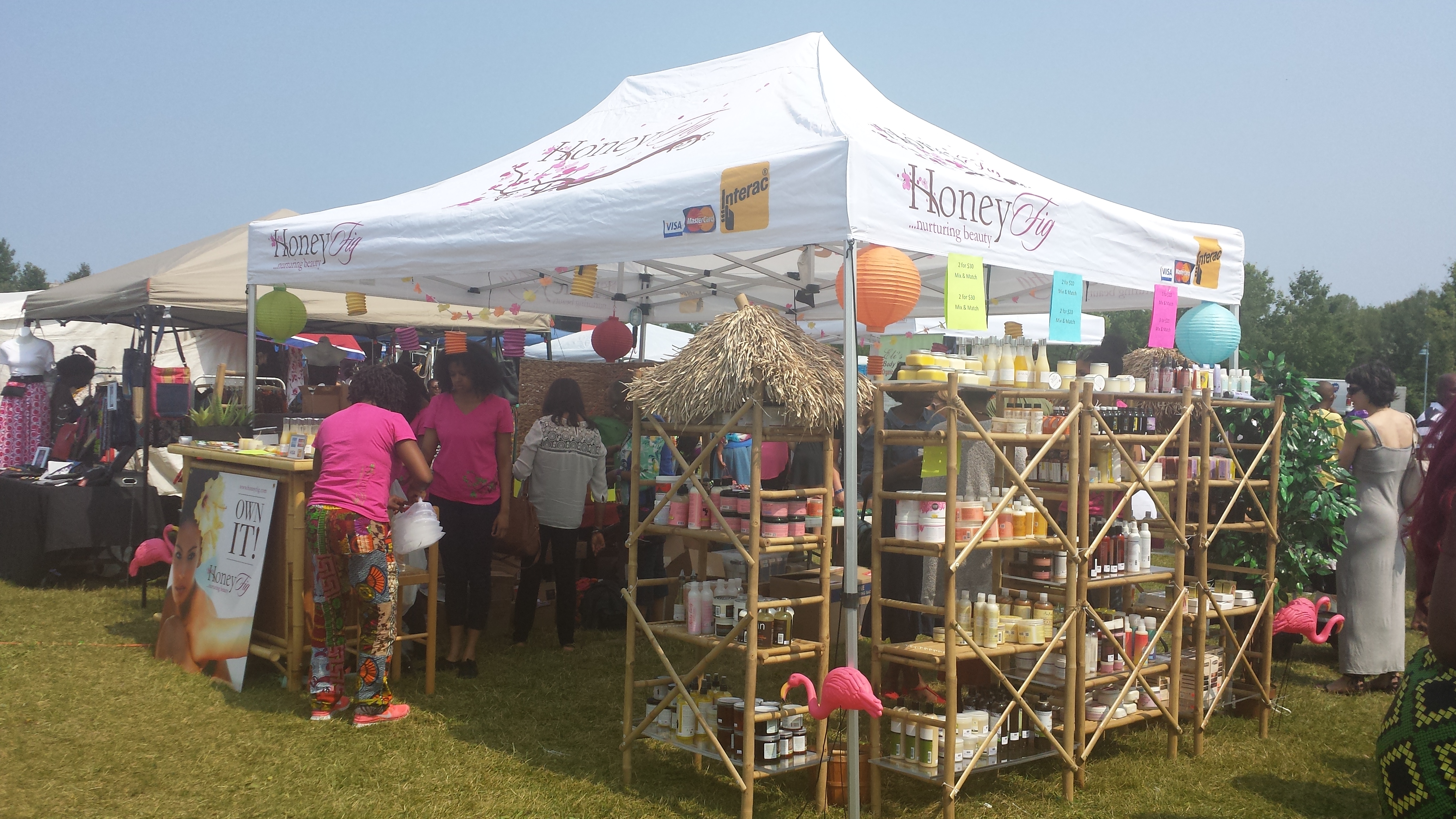
Honey Fig, the natural beauty supply store (www.honeyfig.com), also had a tent!

Honey Fig, the natural beauty supply store (www.honeyfig.com) had a tent too!

If my conversations with these naturalistas—along with my personal observations—were any indication, it looks like natural hair is not just a fleeting fashion trend, but rather is developing into a true movement of self-awareness and self-acceptance that is really taking root (pun intended) in the Greater Toronto Area.


Do you agree? Is the Natural Hair Movement here to stay, or is it just a trend?


Tress Stress – Pt. II (or “Can I Wear this Hair to Work?”)

pro·fes·sion·al

prəˈfeSH(ə)n(ə)l/

adjective

1. 
of, relating to, or connected with a profession.

2. (of a person) engaged in a specified activity as one’s main paid occupation rather than as a pastime.

noun

1. 
a person engaged or qualified in a profession.


cor·po·rate

ˈkôrp(ə)rət/

adjective

1. 
of or relating to a corporation, especially a large company or group.

noun

1. 
a corporate company or group.


As if being a professional isn’t already stressful enough!

Have you ever questioned whether your boss is going to like your new hair(do)? Or whether you should wear your hair like “this” to an interview? Or even pondered how you’re going to explain to your colleagues how your hair magically went from being so short to growing back so fast, all within a matter of days?
For the textured-haired professional, these sorts of considerations are often the norm. As such, hairstyle choices can be a source of great stress when working in a “professional” environment (as if being a professional isn’t already stressful enough!)


The corporate interview

While career sites encourage people to wear their hair in the way they feel most comfortable (as long as it’s clean and neat) for an interview, those with textured hair do not enjoy that same luxury.  I learned this lesson for the first time when I was in undergrad, while I was a part of an internship program called Inroads.  At Inroads, we, students of colour, were being groomed for successful careers in the corporate world.  During our Impression Management session, the facilitator spoke to us about our suits, our shoes, the colours that we should wear…and, of course, our hair.

Our facilitator specifically pointed out that the Black interns should avoid wearing braids or cornrows to their interviews. I stood up and asked her what were those of us with natural hair expected to do, since braided styles were often all we wore. She explained to me that we could wear our hair braided, as long as the braids were neat and pulled back. It was her recommendation, however, for us to avoid such hairstyles altogether, lest we forfeit a job opportunity simply because of our hairdo.

I was flabbergasted.

My McGill Law graduation photo. My go-to back then were single extension braids.

My McGill Law graduation photo. My go-to back then were single extension braids.

While I understood the rationale for pulling back your hair back from your face (to allow the interviewer to see you without distractions and to deter you from perhaps playing with your hair out of nervousness), what I did not understand was why, if my hair was clean, braided neatly, and pulled back, it would not be “professional” enough.  Boy, was I naïve to think that my résumé, transcripts, poise, and tidy appearance would be sufficient to land a job!  I thought that what was inside my head was much more important than what was on top of it.  Sadly, this is not the case: your hair matters!


My slicked-back interview bun

My slicked-back interview bun

These days, my day-to-day hairstyles are usually two-strand twists, a twist-out, or an Afro; and, on occasion, I’ll have my own hair cornrowed or braided with extensions.  However, when I go for interviews, my go-to style is usually a slicked-back bun.  I don’t risk the braids, twists, or wearing it out because I don’t want to ruin my chances of landing the job.  There have been times when I have said to myself, “Well, if they [prospective employer] don’t like my hair the way it is, then maybe I shouldn’t work there”.  But then I catch myself.  I figure, “maaaaybe it’s better for me to get the job first, and then ‘feel them out’ to see if they’re gonna be okay with my hair”, rather than have myself counted out of the running from the beginning—just because of my hairstyle choice.


At my Call to the Bar (Swearing-In) ceremony

At my Call to the Bar (Swearing-In) ceremony

Side view - Call to the Bar 'do

Side view – Call to the Bar ‘do

Back view - Call to the Bar 'do

Back view – Call to the Bar ‘do


On the job

So, once you get the job, what happens next? You’re obviously expected to look “professional” on a day-to-day basis.  The problem is, by default, most “Black” hairstyles are considered to be unprofessional.

Although textured-haired professionals went to the same schools and work just as hard as their straight-haired counterparts, many times our capabilities and our corporate “fit” are questioned on the basis of our hairdos.  Why? Because braids, ‘locks, and other “ethnic” hairdos carry certain negative connotations: they are perceived to be political, threatening, or examples of “unkempt” hair.

And then there’s the double-standard…Unlike straightened hair, natural hair cannot be worn down- it’s worn out! While it is acceptable for a straight-haired woman to wear her hair down in the office, which is  equivalent to me wearing mine in an Afro, there are only certain corporate settings which would accept an Afro as a “professional” hairstyle.

Then, there’s the mystique of the “ever-changing hairdo”.  Black women are by no means the only ones to wear extensions or hairpieces, but somehow, we manage to baffle people every time we decide to change our ‘dos (I’m guessing it’s because of the frequency?)  I have tried to be patient with my responses to queries about the “dynamic” nature of my hair growth, using them as teaching moments; but I would be lying if I said that sometimes I don’t find it annoying, having to explain why my hair was short on Friday and then super-long on Monday!


How do you wear your hair to job interviews or to work? Have you ever experienced tress stress in the workplace? 

“He loves me from my hair follicles to my toenails…”

What are you going to do with your hair on your wedding day?

When I was teenager, one of my guy friends would always ask me: “what are you going to do with your hair on your wedding day? You’re not going to wear it natural, are you? You’re going to have to perm it!”

I used to say to him: “if I met a guy who liked me enough to want to marry me, that would mean he would have had to have liked me, natural hair and all! So why on earth would I change my hair on the day when I would want to look my absolute best for him? I highly doubt that he would appreciate that kind of shock on his wedding day.”

My friend would laugh at me, and insist that I would perm or at least straighten my hair on my wedding day. He was also ready to put money on it because he couldn’t imagine the thought of a bride not having straight hair on her Big Day. What he was basically saying to me was that “you can’t look pretty with natural hair on your wedding day!”

May 31st: a day to celebrate love

Well, today is my 1st wedding anniversary, and it’s also, coincidentally, International Natural Hair Meetup Day– so, for me, it’s a day to celebrate love for my husband and love for myself, too!

A year ago, I married the sweetest, kindest, most thoughtful, amazing man I know!

And on my Big Day, my hair was natural…

Wedding - Natural Hair #1

Photo credit: Matthew Kozovski Hair: Danika Battieste-Geddes Makeup: Soraya Prado

Wedding - Natural Hair #2

Photo credit: Matthew Kozovski Hair: Danika Battieste-Geddes Makeup: Soraya Prado

Wedding - Natural Hair #3

My Mom and Auntie – both naturalistas – tying me into that dress! Photo credit: Matthew Kozovski Hair: Danika Battieste-Geddes Makeup: Soraya Prado


Believe it or not, my now-hubby would not have wanted it any other way…

Back then…

When we were still dating, one day I decided to switch it up and flat-iron my hair. My-then-boyfriend was not happy- and I was shocked! Why? Because I was so accustomed to guys giving me a lot more positive attention when my hair was straightened.

I have a distinct memory from undergrad of the first time I went to Mass Appeal salon in Atlanta to get my hair “whipped”. When I left that salon, please believe, my hair was “laid”—and the reaction I got from my male friends was astounding! It was as if they had never seen me before—all of a sudden, I had been transformed into this “hot” girl…who they now wanted to talk to, lol! (To be honest, I enjoyed the attention, but what I didn’t enjoy was that my hair took the press too well: it took several weeks to wash it out of my hair, and some of the ends refused to turn back…so I had to cut them! Not cool!)

At the time, I didn’t realize that straightening my hair was such a big deal. I figured, I’m the same person, with the same face, just with a different hairdo; but clearly, straightening your hair was the “sexy” thing to do.

Needless to say, I was expecting my boyfriend to go crazy about my new ‘do. But his response was less than satisfactory:

 “Why did you do that to your hair?” he asked when I got into the car. “It’s so flat and weird now,” he said, as he ran his fingers through and rubbed my scalp.

 “Um, what’s that supposed to mean? You don’t think I look pretty?” (I can honestly say I was a little bit irked by his reception because it had taken me over an hour to straighten it by myself, and this was not the reaction I was expecting.)

 “Yeah, of course you look pretty; but it’s not the hairstyle that looks pretty: it’s your face!”

And that, my friends, was the day I fell in love with him! I’m just kidding! But knowing that he liked my hair—just the way it was—did make a world of difference to me! From then on, I didn’t have worry about whether he was just “accepting” my natural hair—I knew that he actually liked it. Which also meant that there was no pressure on my end to try to change it to “keep” him.

I count myself blessed and I am so grateful for his love.

My soul sista, Jill Scott, captures it so well:

You love me especially different every time

You keep me on my feet happily excited

By your cologne, your hands, your smile, your intelligence

You woo me, you court me, you tease me, you please me

You school me, give me some things to think about

Ignite me, you invite me, you co-write me, you love me, you like me

You incite me to chorus, ooh…

 You’re different and special

You’re different and special in every way imaginable

You love me from my hair follicles to my toenails

You got me feeling like the breeze, easy and free and lovely and new…

(Excerpt from “He Loves Me (Lyzel In E Flat)” by Jill Scott and Keith Pelzer)

He loves me

He loves me… Photo credit: Matthew Kozovski Hair: Danika Battieste-Geddes Makeup: Soraya Prado


When you meet someone who loves you from your hair follicles to your toenails, and everywhere in-between, be sure to hold on to them!

Happy Anniversary to The Love of my Life!

And Happy International Natural Hair Meetup Day to all naturalistas around the world! Visit this link for events near you: http://nnhmd.com/about-the-event/

How are you spending your International Natural Hair Meetup Day?


Do (Black) Blondes Have More Fun?

Photo by Shandi-Lee CC BY-NC-ND 2.0

Photo by Shandi-Lee, CC BY-NC-ND 2.0

While Black women have been on a continual quest to achieve straight hair, I’ve learned that most White women long to be blonde.  The joke is, I used to think that straight-haired White women had it made—they had the flowing hair that everyone else seemed to want! I had no idea that they had their own hair hierarchies and hang-ups.

This desire for blonde hair makes sense though.  While the relative popularity of brunettes vs. blondes has varied throughout history, blondes have generally epitomized beauty in mythology and literature, since flaxen hair is associated with notions of youth, fertility, and attractiveness [1].  There’s also a theory about why blondes are considered to be more desirable based on natural selection: in populations where brunettes are the majority, blondes will be the preferred pick because they stand out from the crowd (and vice-versa).

Photo by Poldavo (Alex), CC BY 2.0

Photo by Poldavo (Alex), CC BY 2.0

It was a 1960s Clairol ad campaign, however, that started suggested to us that being blonde is indeed the better choice for the modern-day woman: “Is it true that blondes have more fun?”, their commercials asked [2]. Fifty decades later, the idea that blondes are preferable is still ingrained in our culture; and based on what we see in the media today, it seems that golden-haired ladies still live “the good life”. But is the same true when a blonde is Black?

Photo by dorofofoto - CC BY-NC-ND 2.0

Photo by dorofofoto – CC BY-NC-ND 2.0

Earlier this month, Farryn Johnson, an African-American woman from Baltimore, was awarded $250,000 in damages, after winning a racial discrimination lawsuit against her former employer, Hooters. Apparently, she was fired from Hooters for wearing blond streaks in her hair, because “Black people don’t have blonde hair,” according to her ex-supervisor.

Photo by mp3waxx.com, CC BY-NC-SA 2.0

Photo by mp3waxx.com, CC BY-NC-SA 2.0

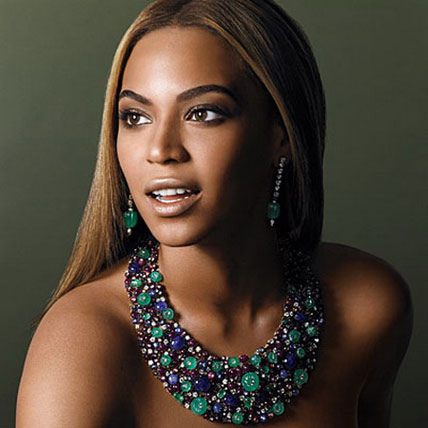
Although “Black” people are usually not expected to have natural blonde hair, contrary to Ms. Johnson’s boss’ belief, there are dark-skinned people from various ethnic groups who do have natural blonde or light brown hair, like people from the Melanesian Islands in the South Pacific and persons in the African Diaspora with European ancestry.  That’s the power of genes!  In any case, many Black women—just like many women of other ethnicities—opt to go blonde, whether by dye or using hair pieces. Take Beyoncé, Mary J. Blige and Queen Latifah, for example. (I guess Ms. Johnson’s supervisor didn’t get out much).

Photo by LG 전자, CC BY 2.0

That being said, there does seem to be an unwritten rule that women with darker skin are “not supposed to” wear lightly-coloured hair: it is either frowned upon or is just not considered to be a good look.For example, when Gabrielle Union dyed her hair blonde for her role in Top Five, she received backlash—she was accused of trying to be White.  Meanwhile, my sister, Sarah, and I, as mocha-shaded girls, grew up thinking that blonde was simply a no-no for us—we were told that we were too dark.  This month, however, Sarah decided to that she wanted to “have more fun” too: she defied the odds by throwing some blond highlights into her latest ‘do.

Sarah goes blonde!

Sarah goes blonde!

So far, her bold choice has been met with raving reviews.

What do you think? Should women of colour stick with their “natural” hair hues, or is it okay for them to “have more fun” too?

Notes [1] and [2]: The Encyclopedia of Hair: A Cultural History by Victoria Sherrow, Greenwood Press, 2006.

Tress Stress – Pt. I (or “Have You Ever Tried to Straighten a Slinky?”)

stress

/stres/

noun

  1. 
pressure or tension exerted on a material object.
  2. 
a state of mental or emotional strain or tension resulting from adverse or very demanding circumstances.


tress stress

/tres stres/

noun

  1. Stress caused by one’s hair.

Tress stress is a condition that can be suffered by anyone whose hair does not meet the societal ideal, whether in texture, thickness, abundance, length or colour. The cause of this condition is two-fold: it is brought on by external factors putting pressure on you to wear your hair a certain way; and it also comes from within, from the internal pressure you put on yourself to try to meet those external demands.

For people with textured hair, tress stress can be chronic. This chronic stress is caused by constantly seeking to achieve a straight-haired or even wavy-haired norm for the sake of “beauty”, in conjunction with trying to loosen your curl patterns for the sake of “manageability”. In this series of posts, I’m going to discuss different forms of tress stress and how they can be alleviated.


 Have You Ever Tried to Straighten a Slinky?

This past Sunday was Easter, which is the one day of the year when churchgoers wear their “Sunday’s Best”, if at no other time. When my sister and I were younger, Easter Sunday’s Best meant that we would be getting our hair pressed (essentially, ironed with a hot comb) the night before.  This was an occasion that was always met with great anticipation because for the rest of the year, it was only braids and Afro puffs for us (how boring! we thought). Having our hair pressed meant that it would blow in the wind, it would look longer, and we would pretty much feel prettier; BUT it also meant that we couldn’t do anything– we’d have to make sure that our blankets weren’t too hot, that our shower wasn’t too steamy, and that we didn’t run around too hard at church—otherwise, that “pretty” press-and-curl would sweat right out—and our hair would turn back (curl up)!

The wonderful thing about straightened kinky (tightly curled) or curly hair is that when it’s exposed to moisture, it coils right back!  This phenomenon of turning back is the reason why many Black girls avoid jumping into the pool, even when it’s boiling hot outside—it’s not because they don’t like to swim—it’s because they know that once that water hits their hair, it will ruin their hairdos which probably took them a long time to get done (and will probably take even longer to re-do). Another reason for the hesitancy is usually because detangling extremely curly hair can be very time-consuming, especially if you don’t have the proper tools on hand or know the right techniques.

The uniqueness of “African” hair

Due to the unique texture and properties of “African” hair, Black hair care methods are generally different from that of most other ethnic groups.  Though there is no such thing as “African” hair (since the continent of Africa is populated by many diverse ethnic groups from different climates, each having its own hair texture), what we tend to call “African” hair is the type that is found in Sub-Saharan Africa, which is kinky and frizzy. Ethnic groups have various traits, like skin colour and hair texture, partly because of the climates of the environments where their ancestors lived. People with Sub-Saharan African ancestry tend to have coily hair, which provides insulation from the sun to keep one’s head cool,  but it is also prone to getting tangled, and tends to be drier and duller than other types of hair.

A source of frustration

Though my sister and I only experienced our specially pressed hair but once a year, for many other Black girls, straightened hair was the norm (and for many, it still is). Our friends’ mothers would relax (chemically-straighten), press or flat-iron their hair on a regular basis, in order to make it straight, sleeker, and more manageable.  These processes were supposed to make life easier.

But as my brother observed, “Black women straightening their hair is like trying to straighten a slinky.” Have you ever tried to straighten a slinky? No matter how hard you tried, you wouldn’t be able to get all the kinks out, and it would either revert to its original state or just end up completely destroyed. The same idea applies to trying to smooth down frizzy hair. It’s like playing a game of Whac-a-Mole– those curls will just keep popping up! So what does all of this mean for the kinky- and curly-haired people of the world? It means frustration!


frus·tra·tion

frəˈstrāSH(ə)n/

noun

the feeling of being upset or annoyed, especially because of inability to change or achieve something.

  • an event or circumstance that causes one to have a feeling of frustration.
  • the prevention of the progress, success, or fulfillment of something.

I think a lot of the frustration we experience comes from us trying to make our hair do what it’s not supposed to do. In the name of “beauty”, we spend so much of our time trying to make our hair do things that are contrary to its very nature: we try to make our hair look sleek, straight, or wavy, when it all it wants to be is curly, puffy, and fuzzy. In the name of “manageability”, we alter our curls, whether through heat or by chemical means to make it “easier” to comb and style. But all of these efforts only serve to frustrate us.  In the same vein, it’s no coincidence that the origin of the word “frustration” is the Latin word frustrare which means “to disappoint”. As long as we continue to try to achieve straight styles and to manipulate our hair using the same methods intended for straight hair, we will only be disappointed.

So what’s the cure for this kind of tress stress?

cure

kyo͝or/

noun

1. 
a substance or treatment that cures a disease or condition.

  • restoration to health.
  • a solution to a problem.

To relieve this condition, rather than frustrating ourselves with trying to make our hair do what it doesn’t want to do, I think we should try to “lean in” to our curls, by:

  • Accepting and making the most of our texture or length, no matter how kinky or short our hair may be.
  • Changing our definition of what looking “good” means for our tresses.  We need to stop trying to compare apples to oranges—it will never work.
  • Gaining an understanding of the properties of our hair and adopting new methods and techniques for maintaining it. For instance, on a basic level, curly hair cannot (and in some cases should not) be combed in the same way as straight hair—the curlier your hair, the wider your comb teeth should be. And sometimes it’s even better to use your fingers instead!
  • Figuring out what your hair does well, and doing that!  Find out what styles work for your hair, and then wear them like nobody else! For some people, that might mean keeping their hair short. For others, it might mean having their hair braided. Whatever you choose, do you!
  • Keeping in mind that Black hair itself is unique by nature, so it cannot do the same things that straight hair can do; but what that also means is that it can do things that straight hair cannot do! For example, it can stand on end! It can also be formed into designs that keep their shape. We need to start harnessing and celebrating these qualities of textured hair!
  • Remembering that your hair is unique to you, and it will never look like exactly like anyone else’s.  So, instead of trying to get what someone else has, learn to appreciate your own.

The more we begin to embrace our hair for what it is, and start letting go of our unrealistic expectations, I believe the less stress we’ll feel.


Do you suffer from tress stress? How do you try to alleviate it?