Lessons from 2015: If It Ain’t Broke, Don’t Fix It

20151127_163824As 2015 comes to a close, I’ve been taking the time to reflect on the things that went well, not so well, and overall, the many lessons that I’ve learned this year.  When it comes to my hair, specifically, though, I would say the biggest lesson I learned this year was “If it ain’t broke, don’t fix it”:

As you already know, I love being natural: I love the uniqueness of my hair; how big and fluffy it is; and its gravity-defying properties.  But what you may not know is that I’m a pretty lazy natural.  I mean, I wash and condition my hair regularly; get it trimmed when the ends get bad;  but compared to the extensive healthy hair regimens that I’ve heard that many other naturals undergo on a daily basis, I can’t say that I’ve ever been one to actually “take care” of my hair.

Prior to this year, my old haphazard regimen (if I could even call it that) consisted of using primarily Creme of Nature products, namely, washing and conditioning my hair with Creme of Nature Ultra Moisturizing Shampoo and their Professional Moisture Extreme Conditioner, respectively.

For styling, I would spray my hair with water and then moisturize it with Creme of Nature Argan Oil Moisturizer and shea butter before (a) setting it in two-strand twists for my twist-outs; OR (b) having my sister cornrow it for me (if I got lucky), OR (c) single-braid it with extension hair (if I really got lucky); OR (d) before I would slick on some Creme of Nature Argan Oil Gloss and Shine Polisher and give myself a blow-out.

However, after reading The Science of Black Hair by Audrey Davis-Sivasothy and then attending The Natural Hair Congress  earlier this year- and being enlightened on a number of things I’ve been doing wrong-  I decided that for the remainder of the year, I was going to make a concerted effort to take care of my hair, to optimize its health and to see whether I could maximize my length retention.

So I taking advantage of a sale at Target, while in the States, I bought myself some Cantu (sulfate-, paraben-, silicone- free) shampoo, conditioner, leave-in conditioner, and styling creme; as well as some Shea Moisture Coconut & Hibiscus Kids Extra-Moisturizing Detangler Spray; and started on my pathway to my new healthy hair regimen!

Shortly thereafter, my Mom and brother had started using coconut oil, and having heard about its miracle-working properties from numerous sources, I decided to start using it too.

I was so excited about finally treating my hair right…until it started to get hard…but I thought it was just my texture reacting to my not using products with sulfates, parabens, silicones, and all- other-things-that-are-bad-for-Black-hair, anymore.

But then it started to break…I mean, really break.  I would gently touch my hair with my finger tips, and pieces would just come off in my hands; and when I would detangle it with my Tangle Teezer or manipulate it in any way, flurries of little curly-cues would end up covering my floors (which I’m sure my husband was thrilled about).  My hair would be everywhere!

I started freaking out, and immediately stopped using the Cantu products and the Shea Moisture spray.  But it was still hard and still breaking.

I tried going back to my old chemical-filled shampoos and conditioners.  Still hard, still breaking.

Then one day, out of frustration, I Googled “natural hair dry brittle breaking”, and the first hit was an article talking about coconut oil and brittle natural hair.

Screen Shot 2015-12-31 at 5.49.51 PM

The whole time during this ordeal with my hard-and-breaking hair, I was still using coconut oil (along with my favourite product of all, shea butter).

Coconut oil?! How could it be? I thought.  Coconut oil was supposed to be the oil of all oils and every naturalista’s saviour, right?!  Well, for my hair, it definitely wasn’t!

So, I stopped using both.  But my hair has been a mess, ever since! And I still wasn’t sure what exactly it was that had messed it up.

Recently, a friend of mine shared this article on Facebook: http://blackdoctor.org/470909/7-reasons-to-stop-using-coconut-oil-and-shea-butter-on-your-hair/

It was then that I realized that it was not just the coconut oil, but rather my combination of coconut oil AND shea butter that had “sealed” my fate, leaving my hair hard, dry, brittle, and filled with fairy knots!

I was this close to cutting it all off, but before doing so, I decided to speak to Dr. Susan Walker of Earthtones Naturals two weeks ago to see if she could help me fix it.  She told me that I had been using coconut oil in the wrong way- that it cannot be used to “seal” your hair and that I should have been using it as a pre-poo treatment instead- so it was no wonder that my hair was super-dry.  (And here I was thinking that you could just use coconut oil for everything- WRONG!)

It also turned out that Susan had just put together a 7-Day Rehydration Challenge for her subscribers (check it out here: 7 Day Rehydration Protocol); and for the past week, that’s what I’ve been doing: trying to re-hydrate my hair.

So far, it’s been working- my hair feels much more supple than it has in months.

Having learned this important lesson in 2015, in 2016, I will:

  • Pay attention to what my hair is telling me– if something is not working for my hair, I will STOP!
  • Do what is right for my own hair– everyone’s hair is different
  • Try new products or methods incrementally– I won’t try a whole bunch of new things all at once
  • Be diligent about taking care of my hair properly

What, if any, are the lessons you learned about your hair in 2015? What will you do differently in 2016?
New logo!

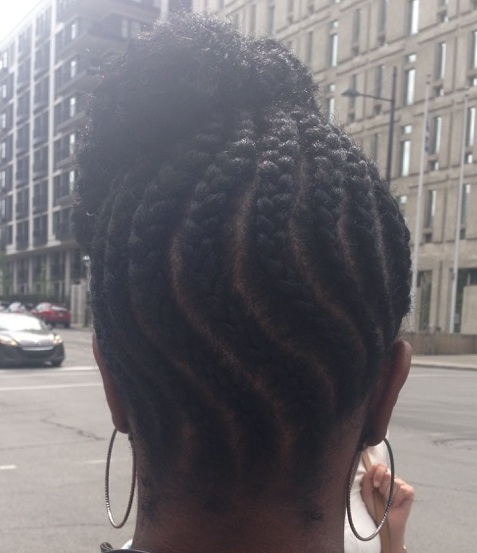
I’m pleased to reveal The Natural Hair Advocate’s brand-new logo! I really wanted something that would reflect who I am- a naturalista and an advocate- while also reflecting how my crown of coils connects me to my African roots.

Big thanks to Dylan Gnitecki of Gnitecki Design (http://www.gniteckidesign.com) for bringing my concept to life!

Do you feel like your hair connects you to your roots?
The Summer of the Natural Updo

headbackLabour Day has come and gone, which means that my favourite season of the year is now pretty much over…sigh!  It’s been quite the summer though: my hubby and I have attended six weddings so far (and we still have one more on deck for October!)

My old go-to wedding updo

Out of those six weddings, I was a bridesmaid in three of them; so, you know, my hair had to be on point! And nothing says “wedding hair” to me more than an elegant updo.  There was a time when that “elegance” meant having to blow my hair out, flat-ironing it as straight as possible, and slicking my fancy bun, wrap, or roll back using a hard-bristled brush and (what would feel like) half a jar of EcoStyler® gel to make sure that it would stay sleek; and then hoping and praying that on the wedding day that (a) it wouldn’t be humid, (b) it wouldn’t rain, or (c) I wouldn’t sweat my style out during the outdoor photos…or while turning up on the dance floor at the reception.

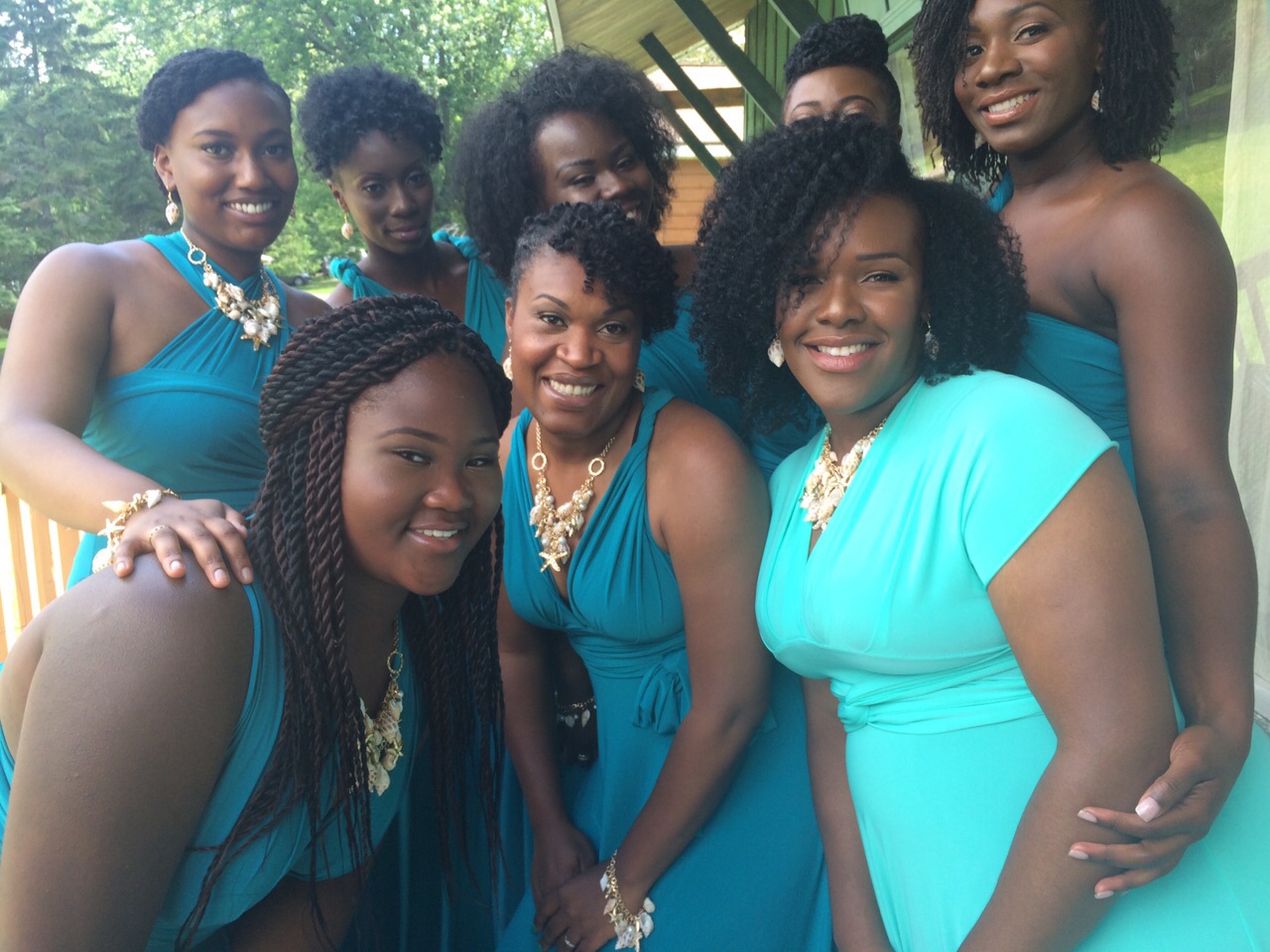
Thanks to the Natural Hair Movement, however, textured updos are now more acceptable than ever (to the point where I was even in a wedding this year where the bride only wanted to see textured styles on her bridesmaids! Never thought I’d live to see the day!)

Natural bridesmaids - Gen's Wedding

All naturalista bridesmaids!

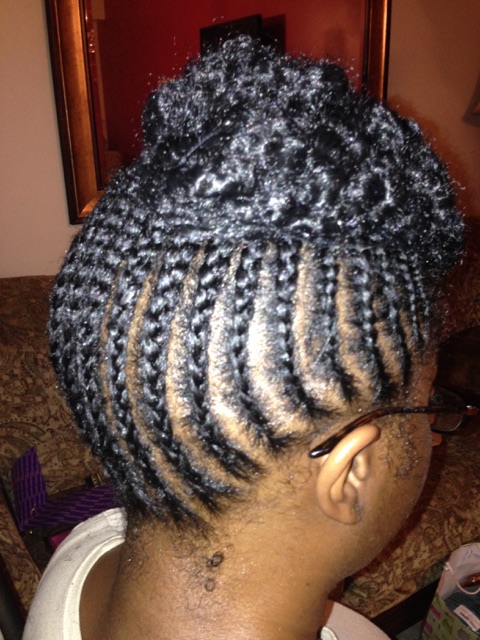
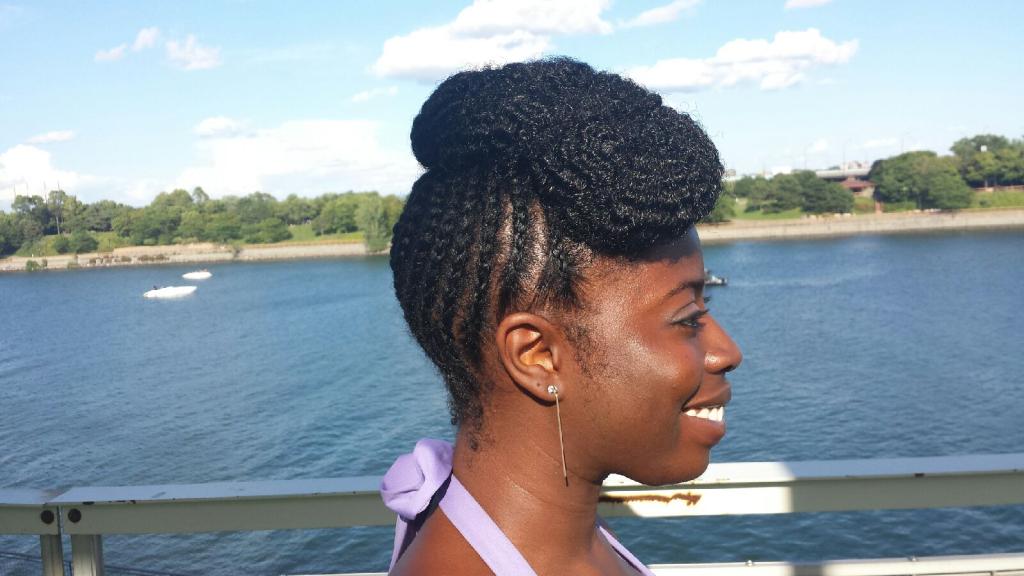
Although we’ve come a long way, I still found myself asking the brides if they were okay with me wearing cornrowed styles in their weddings—even though I think that braids are just as beautiful as the next style, I know that not everyone feels that way.  Needless to say, the brides this year approved of my textured style choices; so it turned out to be “the summer of the natural updo” for me, courtesy of none other than my hairdresser sister, Sarah Anderson of Sarah Naomi’s Hair Care & Beauty.

20150911_183450

Check out Sarah’s masterpieces on social media: @iamsarahnaomi

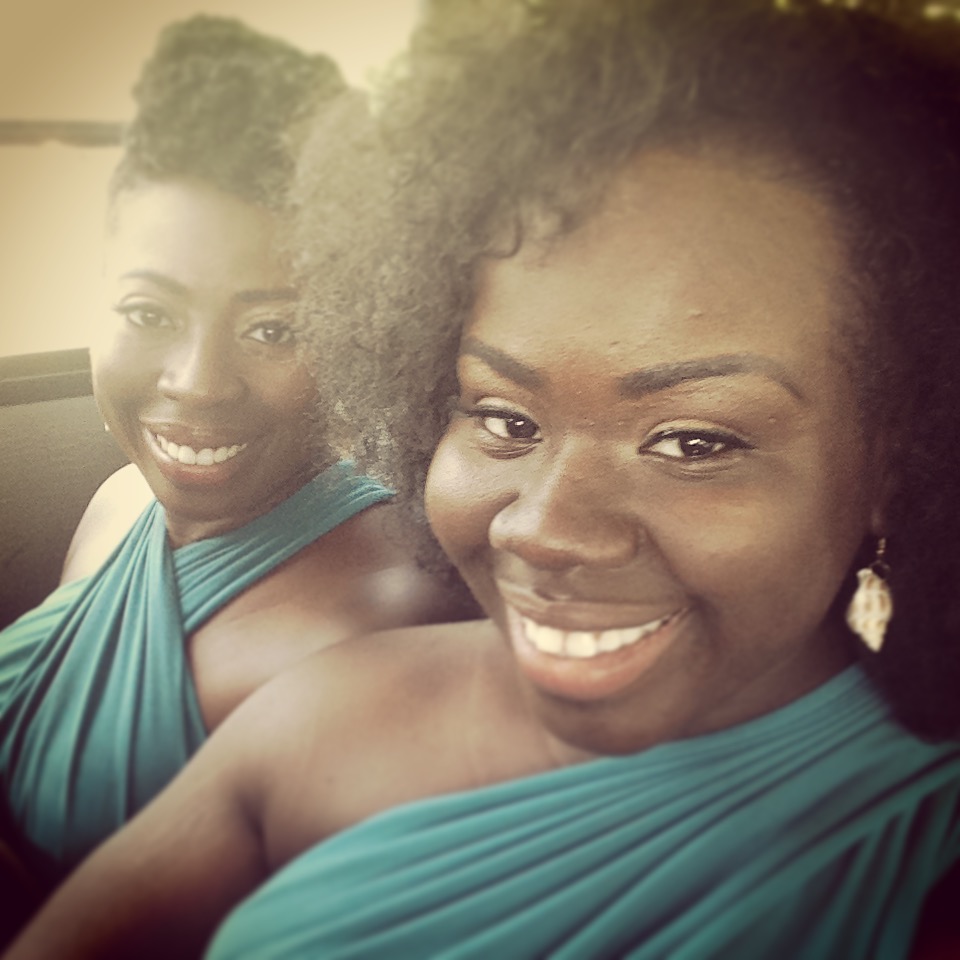
Here’s a snapshot of what my summer wedding hair looked like:

imagejpeg_4 imagejpeg_5


Sarah & Me - Gen's Wedding Sarah & Me - Gen's Wedding #2

20150801_172401 imagejpeg_3 efua's wedding

IMG_1933 imagejpeg_2

 What about you? Would you wear a natural updo to a wedding or some other formal event?

Are cornrowed or textured styles “elegant enough”, or is straightened hair the way to go?

The Natural Hair Movement is here to stay: Afrofest 2015

20150704_174203

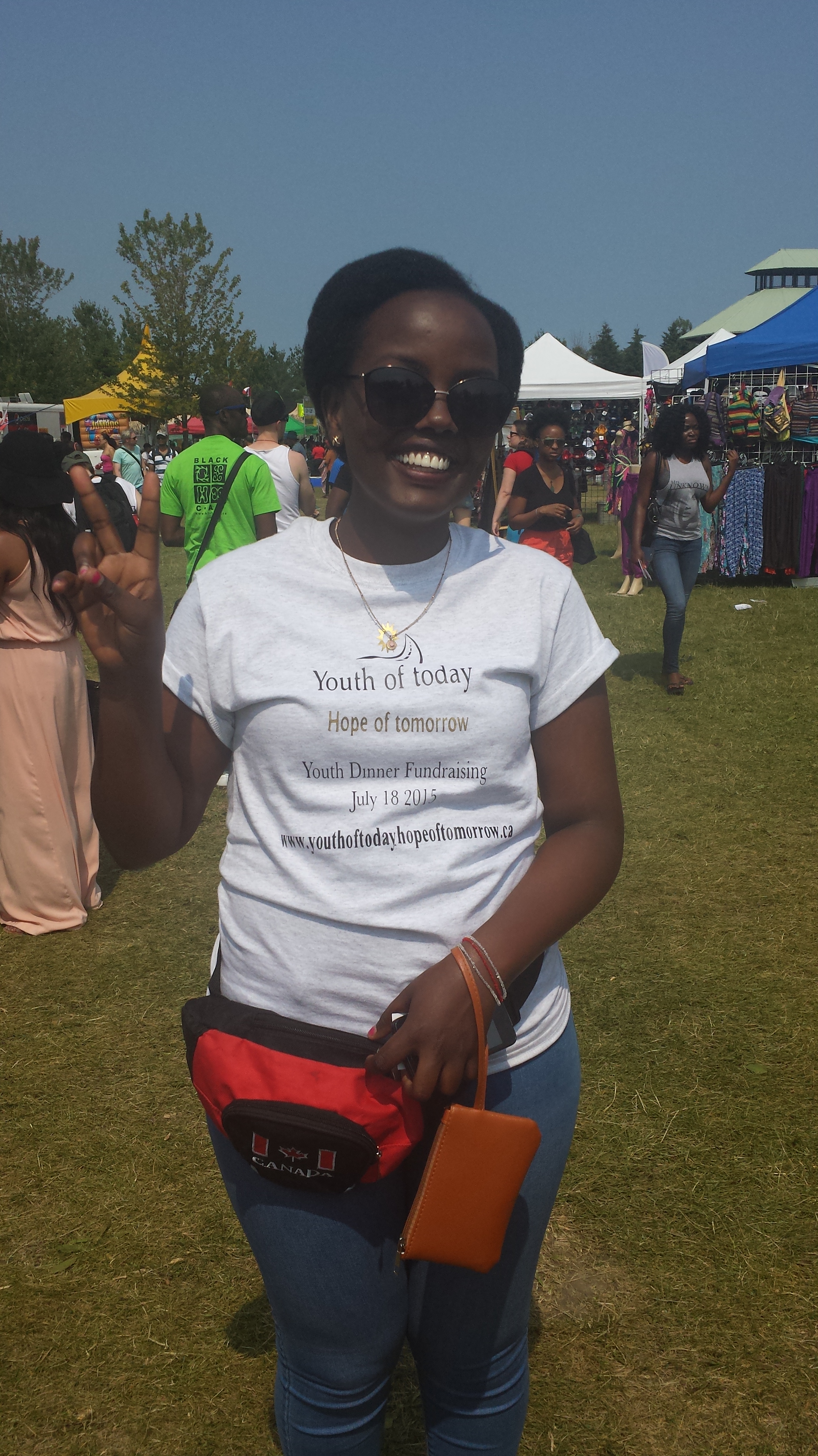
For the past 27 years, Afrofest has been bringing the rhythms, flavours, creativity, and vibrancy of the African continent to the heart of Toronto, in a free festival that attracts thousands of people annually.

This Saturday, I headed down to the festival at Woodbine Park, with my hubby and my brother, to not only celebrate Mama Africa but to also ask some of her daughters the following question:

Is the Natural Hair Movement just a trend, or is it here to stay?

First, I met Marilyn.  “It’s about time!” was her response, when asked for her thoughts on the traction of the Natural Hair Movement.  Marilyn started out her natural hair journey “spit-shine bald” two years ago, and now sports an oh-so-perfect asymmetrical ‘fro!


20150704_152532 20150704_152737 20150704_165730


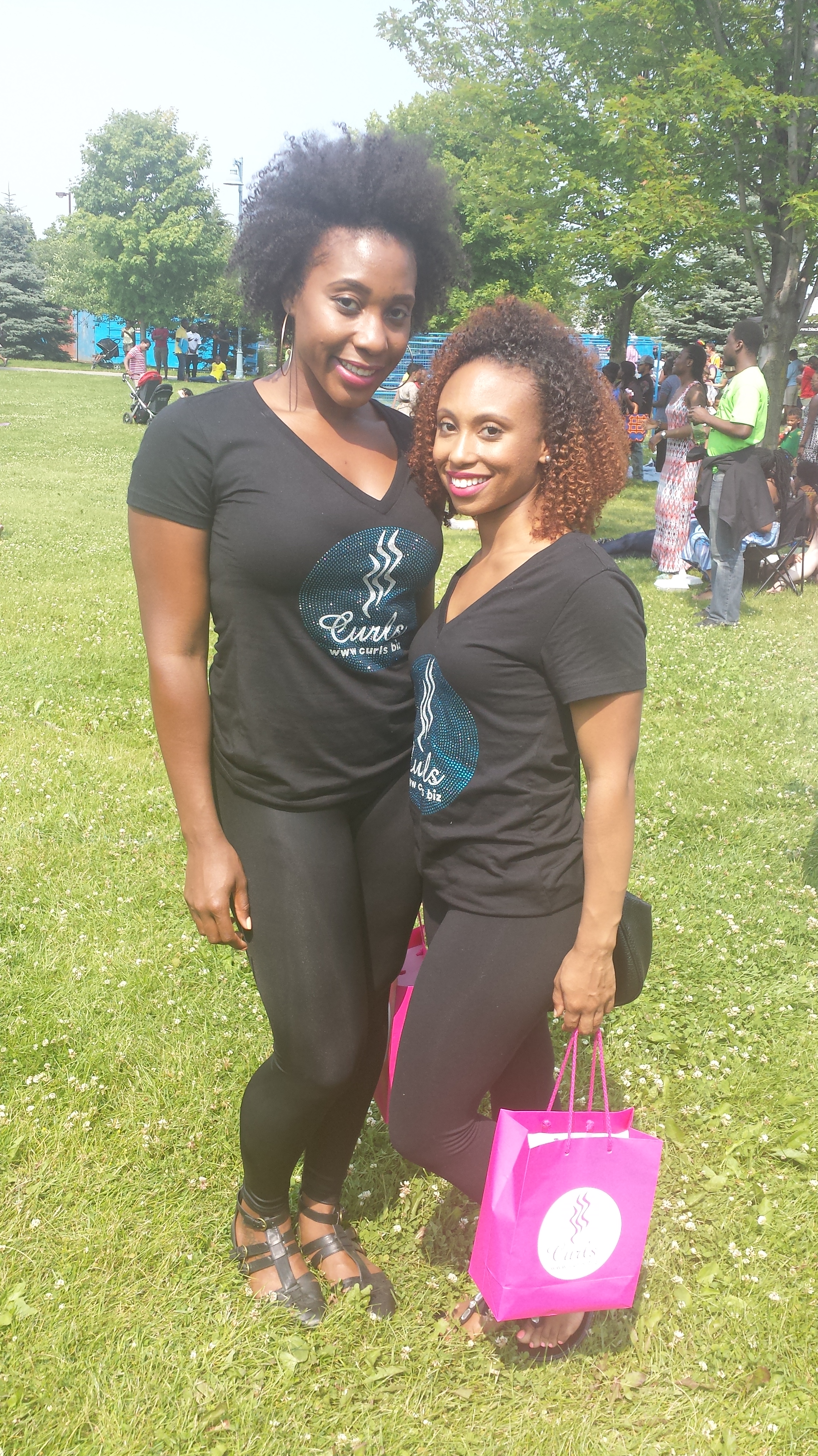
20150704_154305Then I had the privilege of running into YouTube sensation, Samantha Gomez of I’m Samantha Gomez (click here to check out her channel), and fitness, lifestyle and hair blogger, Alaina Gomez-Henry of Shorty with a Curl (click here to visit her blog), who were working the festival as representatives for CURLS™ Hair Products.

They both agreed that the Natural Hair Movement is here to stay.  “People are embracing it more and more,” stated Samantha.

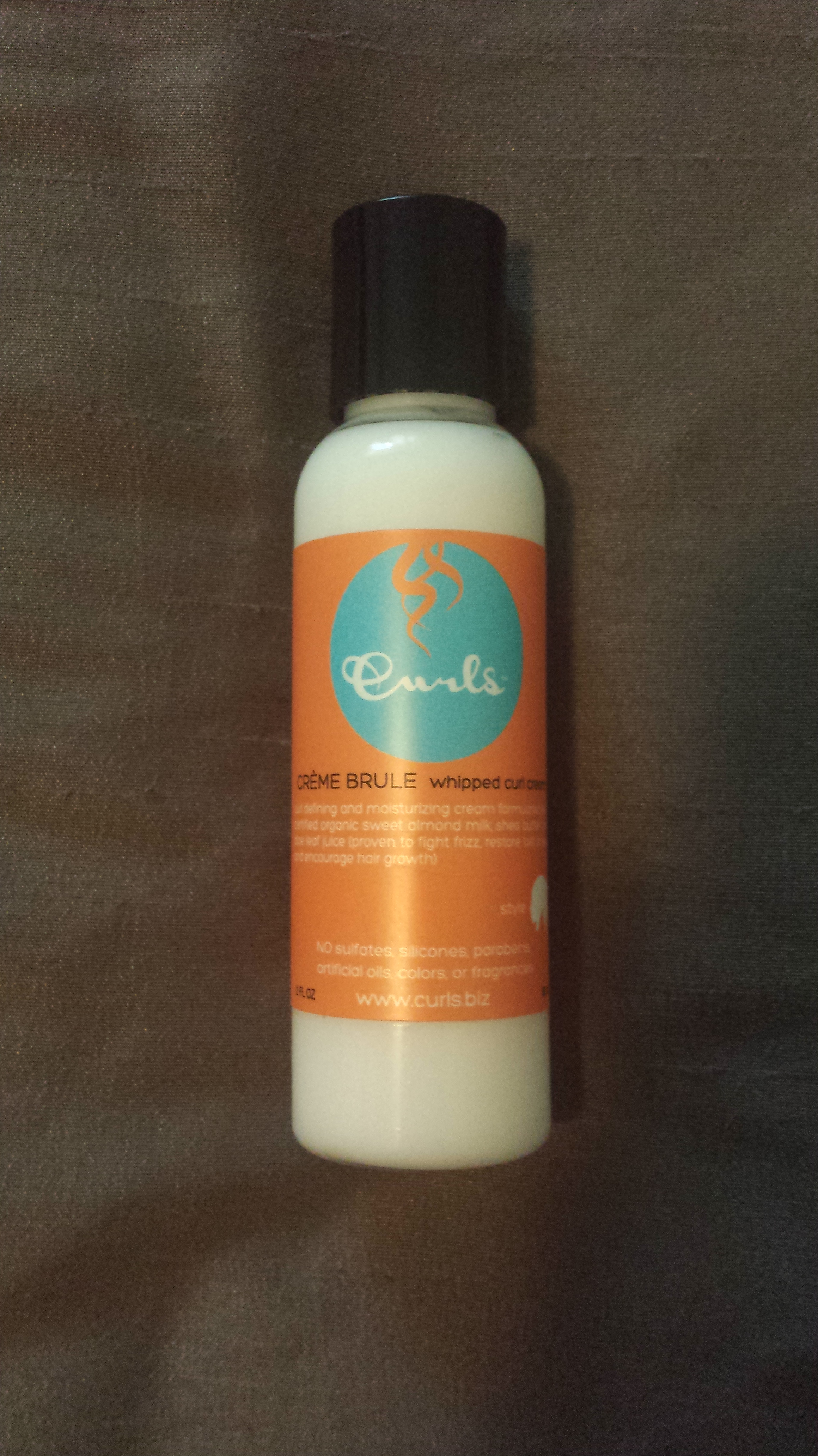
These beautiful curlistas were also kind enough to bless me with some samples of one of my favourite styling products, CURLS™ Crème Brule Whipped Curl Cream (love how it defines my curls!), which made my day!

Perfect travel size too!

Who doesn’t like crème brûlée?

20150704_163536Later, I met the lovely Shaniqua, wearing extension braids with grey highlights, at the Black Experience Project tent.  She was recruiting participants for the BEP Project, an important study about the “‘lived experience’ of individuals across the Greater Toronto Area who self-identify as Black or of African heritage” (if you’re interested in participating in the study, click here).

Shaniqua thinks that the Natural Hair Movement is here to stay, as “people are reconnecting with themselves and are embracing themselves.”  She shared that she decided to go natural about 4 years ago, when her hair had broken off from perming it.  The breaking point for her was when her stylist wanted $125 to perm just a couple of inches of hair…needless to say, she has been natural ever since!


20150704_170327

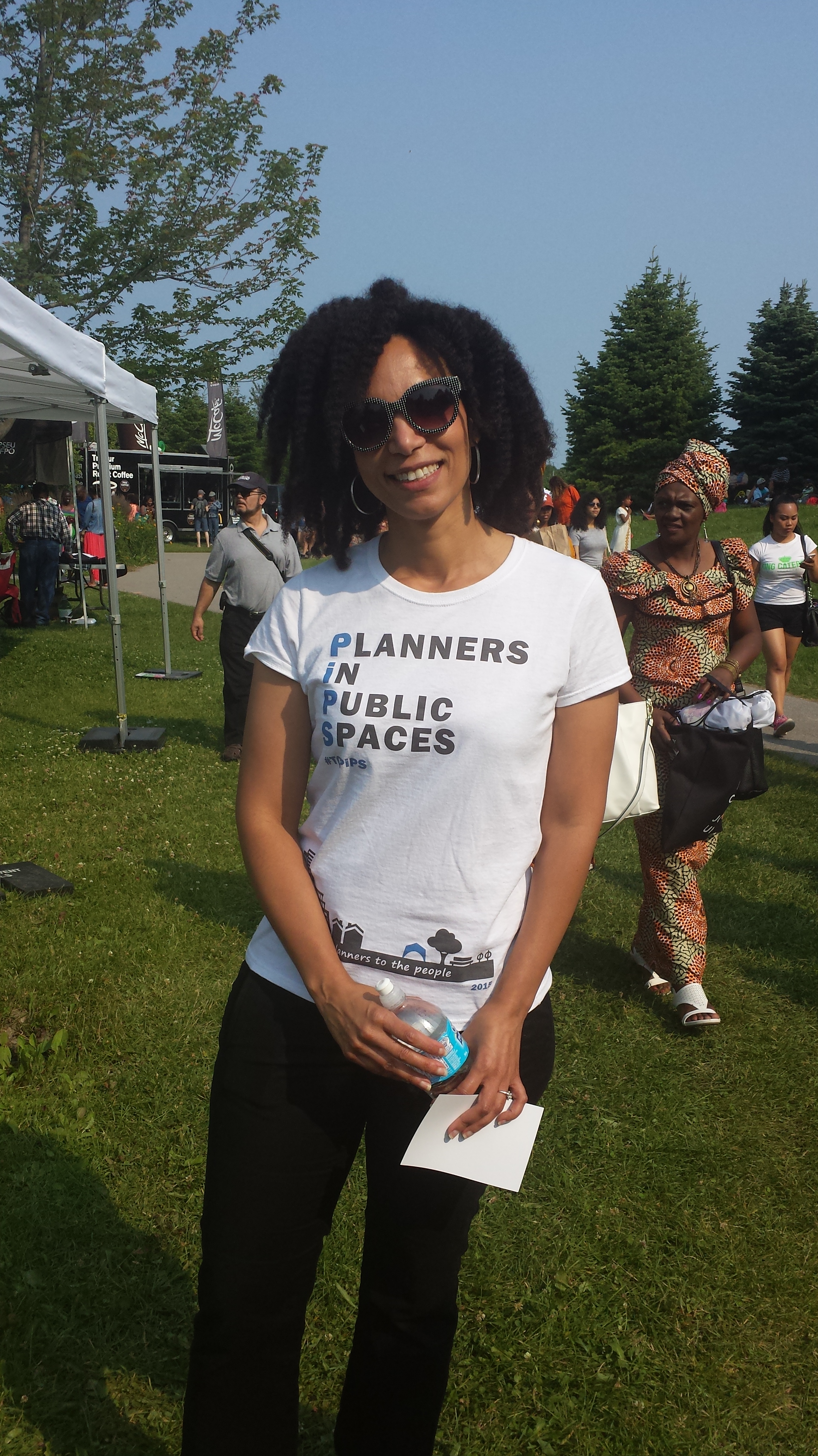
Then I chatted with Sipo, whose glorious twist-out I spotted at the City of Toronto tent.  Sipo believes that the Movement is here to stay:  “Once you go natural, and get used to it, you never go back!”

She shared that earlier on in her hair journey, she would go to Afrofest just to check out the hair—the festival offered a great opportunity to see what kinds of hairstyles other people were trying out!

And I agree with her—what better place to get a snapshot of what’s happening in Toronto’s Black hair scene than a gathering of brothers and sisters from across the African continent and the Diaspora?

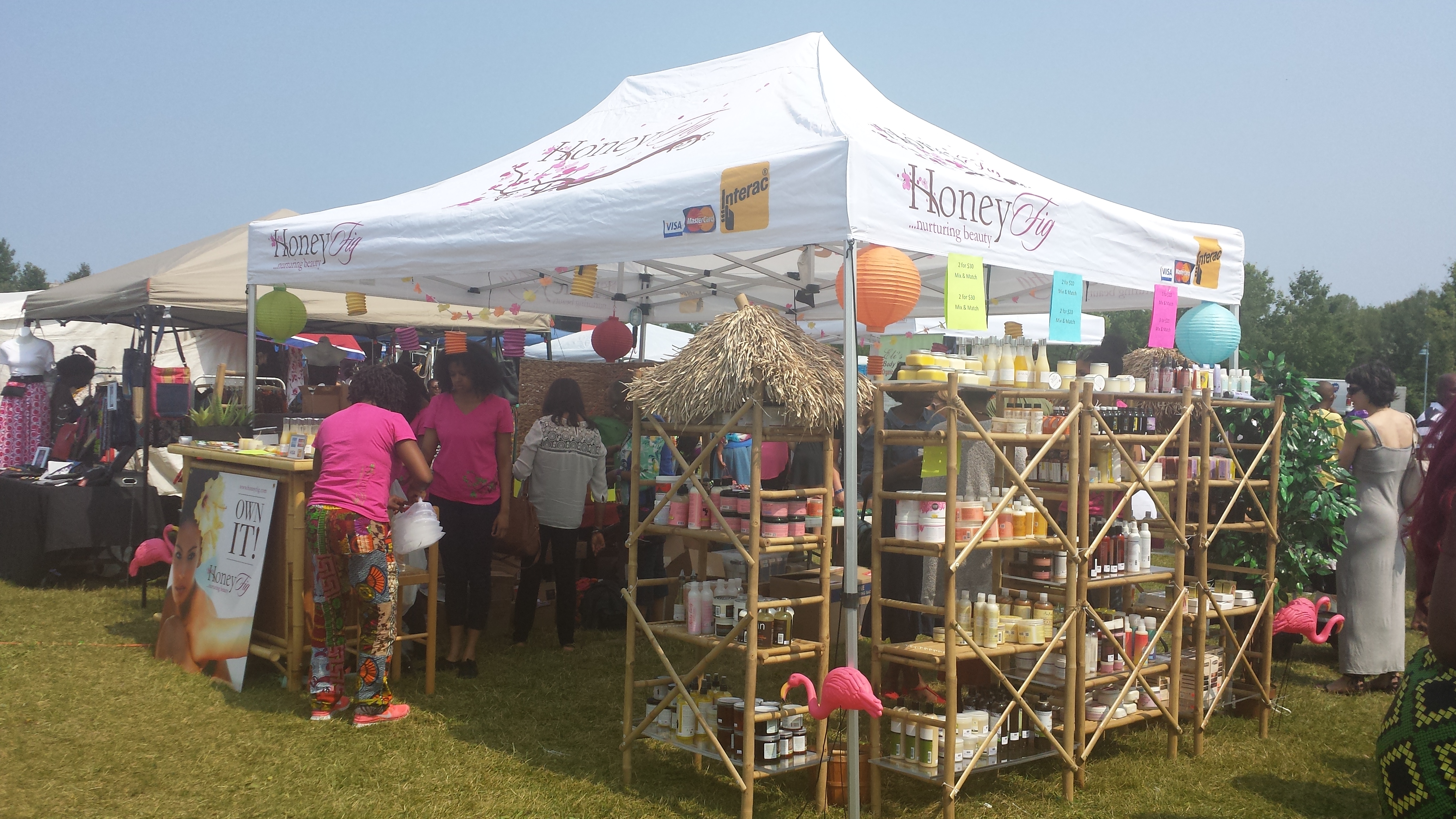
Honey Fig, the natural beauty supply store (www.honeyfig.com), also had a tent!

Honey Fig, the natural beauty supply store (www.honeyfig.com) had a tent too!

If my conversations with these naturalistas—along with my personal observations—were any indication, it looks like natural hair is not just a fleeting fashion trend, but rather is developing into a true movement of self-awareness and self-acceptance that is really taking root (pun intended) in the Greater Toronto Area.


Do you agree? Is the Natural Hair Movement here to stay, or is it just a trend?


The Greatest Love of All

IMG_20150621_0001

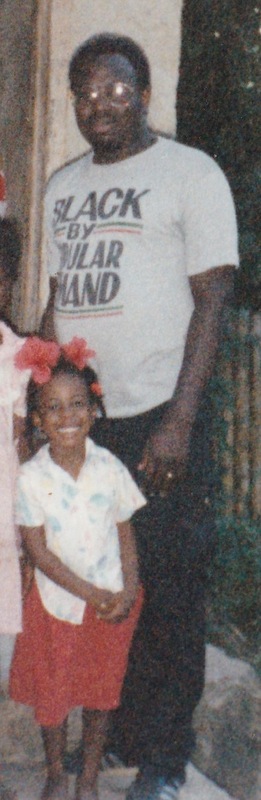
My father (and me- sadly, my face didn’t make the cut!)

Why yuh a fry dem hair? (Why are you frying their hair?),” my father would ask my mother on those rare occasions when she would press our hair out.  He couldn’t stand the smell of burning hair coming from the sizzling hot comb on the stove.  “Listen, nuttin’ nuh wrong wit’ yuh hair,” he would tell my sister, Sarah, and me.

My father was all about us keeping our hair in its most natural state: no additions, no alterations, no nothing.  He would even get upset when my mom would braid extensions into our hair! “Unuh a put in di horse hair, again? (You guys are putting in horse hair, again?)” he would question.  He didn’t think that any of that was necessary (even though the fake hair was actually plastic). “Jus’ plait it” was his recommendation.

My father, along with my mother, reinforced in our minds that our hair was fine the way it was.  Our parents were both adamant about us not perming our hair until we turned 16. “Nuh bodda cream it (Don’t bother with perming it),” my Dad would say. And when I turned 16, I didn’t bother: to know that my father thought that my kinky, curly hair was beautiful made it so much easier to cope with the pressures to change it coming from outside of our home.

But it wasn’t only about hair, my Dad made it a point to teach us how to love the skin we were in—both literally and figuratively.  “Look how yuh skin black and nice,” he would say.  He let us know that our dark skin wasn’t a curse, but rather a blessing.  My Dad knew how important it was for us to be proud of who we were.  He would make us sit and listen to his vinyl records of Dr. Martin Luther King, Jr.’s speeches; watch videos about the lives of Bob Marley and Nelson Mandela; and read books about Black history.  He taught us to be proud of our Caribbean heritage and our African ancestry.  He also taught us to be proud of our family: “You are an Anderson”, he would say, “you are great; and don’t let anyone tell you any different!”

With Miss Minnie

My “Black by Popular Demand” Dad and me, during my 1st trip to Jamaica

Although my father may not have always loved me in the way that I would have liked to receive it, he certainly taught me how to love myself.  Today, on Father’s Day, I thank my Dad for teaching us how to love ourselves, which is, as Whitney Houston declared, the greatest love of all.  Now, as a grown woman, I realize just how fortunate we were to have a father who made sure that we not only knew—but more importantly, that we also loved—who we were.  I thank him for giving us the affirmation that we would need to survive, living in a world where everyone and everything continually tells us that something is wrong with who we are and how we look. I attribute much of my success today to having a strong sense of self and confidence, which made me feel that I could do anything! So, for that, Dad, I thank you!

To all of the fathers out there, Happy Father’s Day!  Keep loving on your children.  Remember to tell them who they are, and who you know that they can be, to counteract the lies that society tells us.  The things you say about your children stick—words have power—so be mindful about what you say to them, both implicitly and explicitly, about themselves.  Teach them to love themselves, so that they won’t have to look for affection and acceptance in the wrong places.  Always affirm them, so that they can face the world with the confidence that they will need to succeed.  Your kids love and are counting on you!

My father, back in the day

My father, back in the day

I believe the children are our future
Teach them well and let them lead the way
Show them all the beauty they possess inside
Give them a sense of pride to make it easier
Let the children’s laughter remind us how we used to be…

Because the greatest love of all
Is happening to me
I found the greatest love of all
Inside of me
The greatest love of all
Is easy to achieve
Learning to love yourself
It is the greatest love of all

(Excerpt from “The Greatest Love of All”, written by Michael Masser and Linda Creed)

Happy Father’s Day! How did you celebrate your father today?


Tress Stress – Pt. II (or “Can I Wear this Hair to Work?”)

pro·fes·sion·al

prəˈfeSH(ə)n(ə)l/

adjective

1. 
of, relating to, or connected with a profession.

2. (of a person) engaged in a specified activity as one’s main paid occupation rather than as a pastime.

noun

1. 
a person engaged or qualified in a profession.


cor·po·rate

ˈkôrp(ə)rət/

adjective

1. 
of or relating to a corporation, especially a large company or group.

noun

1. 
a corporate company or group.


As if being a professional isn’t already stressful enough!

Have you ever questioned whether your boss is going to like your new hair(do)? Or whether you should wear your hair like “this” to an interview? Or even pondered how you’re going to explain to your colleagues how your hair magically went from being so short to growing back so fast, all within a matter of days?

For the textured-haired professional, these sorts of considerations are often the norm. As such, hairstyle choices can be a source of great stress when working in a “professional” environment (as if being a professional isn’t already stressful enough!)


The corporate interview

While career sites encourage people to wear their hair in the way they feel most comfortable (as long as it’s clean and neat) for an interview, those with textured hair do not enjoy that same luxury.  I learned this lesson for the first time when I was in undergrad, while I was a part of an internship program called Inroads.  At Inroads, we, students of colour, were being groomed for successful careers in the corporate world.  During our Impression Management session, the facilitator spoke to us about our suits, our shoes, the colours that we should wear…and, of course, our hair.

Our facilitator specifically pointed out that the Black interns should avoid wearing braids or cornrows to their interviews. I stood up and asked her what were those of us with natural hair expected to do, since braided styles were often all we wore. She explained to me that we could wear our hair braided, as long as the braids were neat and pulled back. It was her recommendation, however, for us to avoid such hairstyles altogether, lest we forfeit a job opportunity simply because of our hairdo.

I was flabbergasted.

My McGill Law graduation photo. My go-to back then were single extension braids.

My McGill Law graduation photo. My go-to back then were single extension braids.

While I understood the rationale for pulling back your hair back from your face (to allow the interviewer to see you without distractions and to deter you from perhaps playing with your hair out of nervousness), what I did not understand was why, if my hair was clean, braided neatly, and pulled back, it would not be “professional” enough.  Boy, was I naïve to think that my résumé, transcripts, poise, and tidy appearance would be sufficient to land a job!  I thought that what was inside my head was much more important than what was on top of it.  Sadly, this is not the case: your hair matters!


My slicked-back interview bun

My slicked-back interview bun

These days, my day-to-day hairstyles are usually two-strand twists, a twist-out, or an Afro; and, on occasion, I’ll have my own hair cornrowed or braided with extensions.  However, when I go for interviews, my go-to style is usually a slicked-back bun.  I don’t risk the braids, twists, or wearing it out because I don’t want to ruin my chances of landing the job.  There have been times when I have said to myself, “Well, if they [prospective employer] don’t like my hair the way it is, then maybe I shouldn’t work there”.  But then I catch myself.  I figure, “maaaaybe it’s better for me to get the job first, and then ‘feel them out’ to see if they’re gonna be okay with my hair”, rather than have myself counted out of the running from the beginning—just because of my hairstyle choice.


At my Call to the Bar (Swearing-In) ceremony

At my Call to the Bar (Swearing-In) ceremony

Side view - Call to the Bar 'do

Side view – Call to the Bar ‘do

Back view - Call to the Bar 'do

Back view – Call to the Bar ‘do


On the job

So, once you get the job, what happens next? You’re obviously expected to look “professional” on a day-to-day basis.  The problem is, by default, most “Black” hairstyles are considered to be unprofessional.

Although textured-haired professionals went to the same schools and work just as hard as their straight-haired counterparts, many times our capabilities and our corporate “fit” are questioned on the basis of our hairdos.  Why? Because braids, ‘locks, and other “ethnic” hairdos carry certain negative connotations: they are perceived to be political, threatening, or examples of “unkempt” hair.

And then there’s the double-standard…Unlike straightened hair, natural hair cannot be worn down- it’s worn out! While it is acceptable for a straight-haired woman to wear her hair down in the office, which is  equivalent to me wearing mine in an Afro, there are only certain corporate settings which would accept an Afro as a “professional” hairstyle.

Then, there’s the mystique of the “ever-changing hairdo”.  Black women are by no means the only ones to wear extensions or hairpieces, but somehow, we manage to baffle people every time we decide to change our ‘dos (I’m guessing it’s because of the frequency?)  I have tried to be patient with my responses to queries about the “dynamic” nature of my hair growth, using them as teaching moments; but I would be lying if I said that sometimes I don’t find it annoying, having to explain why my hair was short on Friday and then super-long on Monday!


How do you wear your hair to job interviews or to work? Have you ever experienced tress stress in the workplace? 

“He loves me from my hair follicles to my toenails…”

What are you going to do with your hair on your wedding day?

When I was teenager, one of my guy friends would always ask me: “what are you going to do with your hair on your wedding day? You’re not going to wear it natural, are you? You’re going to have to perm it!”

I used to say to him: “if I met a guy who liked me enough to want to marry me, that would mean he would have had to have liked me, natural hair and all! So why on earth would I change my hair on the day when I would want to look my absolute best for him? I highly doubt that he would appreciate that kind of shock on his wedding day.”

My friend would laugh at me, and insist that I would perm or at least straighten my hair on my wedding day. He was also ready to put money on it because he couldn’t imagine the thought of a bride not having straight hair on her Big Day. What he was basically saying to me was that “you can’t look pretty with natural hair on your wedding day!”

May 31st: a day to celebrate love

Well, today is my 1st wedding anniversary, and it’s also, coincidentally, International Natural Hair Meetup Day– so, for me, it’s a day to celebrate love for my husband and love for myself, too!

A year ago, I married the sweetest, kindest, most thoughtful, amazing man I know!

And on my Big Day, my hair was natural…

Wedding - Natural Hair #1

Photo credit: Matthew Kozovski Hair: Danika Battieste-Geddes Makeup: Soraya Prado

Wedding - Natural Hair #2

Photo credit: Matthew Kozovski Hair: Danika Battieste-Geddes Makeup: Soraya Prado

Wedding - Natural Hair #3

My Mom and Auntie – both naturalistas – tying me into that dress! Photo credit: Matthew Kozovski Hair: Danika Battieste-Geddes Makeup: Soraya Prado


Believe it or not, my now-hubby would not have wanted it any other way…

Back then…

When we were still dating, one day I decided to switch it up and flat-iron my hair. My-then-boyfriend was not happy- and I was shocked! Why? Because I was so accustomed to guys giving me a lot more positive attention when my hair was straightened.

I have a distinct memory from undergrad of the first time I went to Mass Appeal salon in Atlanta to get my hair “whipped”. When I left that salon, please believe, my hair was “laid”—and the reaction I got from my male friends was astounding! It was as if they had never seen me before—all of a sudden, I had been transformed into this “hot” girl…who they now wanted to talk to, lol! (To be honest, I enjoyed the attention, but what I didn’t enjoy was that my hair took the press too well: it took several weeks to wash it out of my hair, and some of the ends refused to turn back…so I had to cut them! Not cool!)

At the time, I didn’t realize that straightening my hair was such a big deal. I figured, I’m the same person, with the same face, just with a different hairdo; but clearly, straightening your hair was the “sexy” thing to do.

Needless to say, I was expecting my boyfriend to go crazy about my new ‘do. But his response was less than satisfactory:

 “Why did you do that to your hair?” he asked when I got into the car. “It’s so flat and weird now,” he said, as he ran his fingers through and rubbed my scalp.

 “Um, what’s that supposed to mean? You don’t think I look pretty?” (I can honestly say I was a little bit irked by his reception because it had taken me over an hour to straighten it by myself, and this was not the reaction I was expecting.)

 “Yeah, of course you look pretty; but it’s not the hairstyle that looks pretty: it’s your face!”

And that, my friends, was the day I fell in love with him! I’m just kidding! But knowing that he liked my hair—just the way it was—did make a world of difference to me! From then on, I didn’t have worry about whether he was just “accepting” my natural hair—I knew that he actually liked it. Which also meant that there was no pressure on my end to try to change it to “keep” him.

I count myself blessed and I am so grateful for his love.

My soul sista, Jill Scott, captures it so well:

You love me especially different every time

You keep me on my feet happily excited

By your cologne, your hands, your smile, your intelligence

You woo me, you court me, you tease me, you please me

You school me, give me some things to think about

Ignite me, you invite me, you co-write me, you love me, you like me

You incite me to chorus, ooh…

 You’re different and special

You’re different and special in every way imaginable

You love me from my hair follicles to my toenails

You got me feeling like the breeze, easy and free and lovely and new…

(Excerpt from “He Loves Me (Lyzel In E Flat)” by Jill Scott and Keith Pelzer)

He loves me

He loves me… Photo credit: Matthew Kozovski Hair: Danika Battieste-Geddes Makeup: Soraya Prado


When you meet someone who loves you from your hair follicles to your toenails, and everywhere in-between, be sure to hold on to them!

Happy Anniversary to The Love of my Life!

And Happy International Natural Hair Meetup Day to all naturalistas around the world! Visit this link for events near you: http://nnhmd.com/about-the-event/

How are you spending your International Natural Hair Meetup Day?


Do (Black) Blondes Have More Fun?

Photo by Shandi-Lee CC BY-NC-ND 2.0

Photo by Shandi-Lee, CC BY-NC-ND 2.0

While Black women have been on a continual quest to achieve straight hair, I’ve learned that most White women long to be blonde.  The joke is, I used to think that straight-haired White women had it made—they had the flowing hair that everyone else seemed to want! I had no idea that they had their own hair hierarchies and hang-ups.

This desire for blonde hair makes sense though.  While the relative popularity of brunettes vs. blondes has varied throughout history, blondes have generally epitomized beauty in mythology and literature, since flaxen hair is associated with notions of youth, fertility, and attractiveness [1].  There’s also a theory about why blondes are considered to be more desirable based on natural selection: in populations where brunettes are the majority, blondes will be the preferred pick because they stand out from the crowd (and vice-versa).

Photo by Poldavo (Alex), CC BY 2.0

Photo by Poldavo (Alex), CC BY 2.0

It was a 1960s Clairol ad campaign, however, that started suggested to us that being blonde is indeed the better choice for the modern-day woman: “Is it true that blondes have more fun?”, their commercials asked [2]. Fifty decades later, the idea that blondes are preferable is still ingrained in our culture; and based on what we see in the media today, it seems that golden-haired ladies still live “the good life”. But is the same true when a blonde is Black?

Photo by dorofofoto - CC BY-NC-ND 2.0

Photo by dorofofoto – CC BY-NC-ND 2.0

Earlier this month, Farryn Johnson, an African-American woman from Baltimore, was awarded $250,000 in damages, after winning a racial discrimination lawsuit against her former employer, Hooters. Apparently, she was fired from Hooters for wearing blond streaks in her hair, because “Black people don’t have blonde hair,” according to her ex-supervisor.

Photo by mp3waxx.com, CC BY-NC-SA 2.0

Photo by mp3waxx.com, CC BY-NC-SA 2.0

Although “Black” people are usually not expected to have natural blonde hair, contrary to Ms. Johnson’s boss’ belief, there are dark-skinned people from various ethnic groups who do have natural blonde or light brown hair, like people from the Melanesian Islands in the South Pacific and persons in the African Diaspora with European ancestry.  That’s the power of genes!  In any case, many Black women—just like many women of other ethnicities—opt to go blonde, whether by dye or using hair pieces. Take Beyoncé, Mary J. Blige and Queen Latifah, for example. (I guess Ms. Johnson’s supervisor didn’t get out much).

Photo by LG 전자, CC BY 2.0

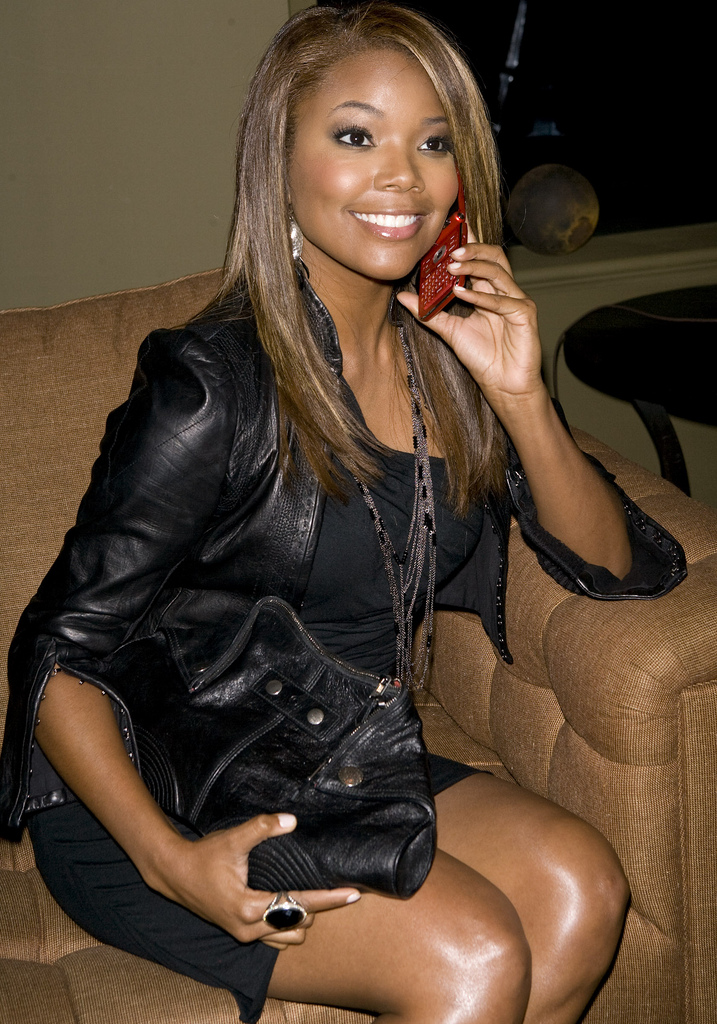
That being said, there does seem to be an unwritten rule that women with darker skin are “not supposed to” wear lightly-coloured hair: it is either frowned upon or is just not considered to be a good look.For example, when Gabrielle Union dyed her hair blonde for her role in Top Five, she received backlash—she was accused of trying to be White.  Meanwhile, my sister, Sarah, and I, as mocha-shaded girls, grew up thinking that blonde was simply a no-no for us—we were told that we were too dark.  This month, however, Sarah decided to that she wanted to “have more fun” too: she defied the odds by throwing some blond highlights into her latest ‘do.

Sarah goes blonde!

Sarah goes blonde!

So far, her bold choice has been met with raving reviews.

What do you think? Should women of colour stick with their “natural” hair hues, or is it okay for them to “have more fun” too?

Notes [1] and [2]: The Encyclopedia of Hair: A Cultural History by Victoria Sherrow, Greenwood Press, 2006.

Tress Stress – Pt. I (or “Have You Ever Tried to Straighten a Slinky?”)

stress

/stres/

noun

  1. 
pressure or tension exerted on a material object.
  2. 
a state of mental or emotional strain or tension resulting from adverse or very demanding circumstances.


tress stress

/tres stres/

noun

  1. Stress caused by one’s hair.

Tress stress is a condition that can be suffered by anyone whose hair does not meet the societal ideal, whether in texture, thickness, abundance, length or colour. The cause of this condition is two-fold: it is brought on by external factors putting pressure on you to wear your hair a certain way; and it also comes from within, from the internal pressure you put on yourself to try to meet those external demands.

For people with textured hair, tress stress can be chronic. This chronic stress is caused by constantly seeking to achieve a straight-haired or even wavy-haired norm for the sake of “beauty”, in conjunction with trying to loosen your curl patterns for the sake of “manageability”. In this series of posts, I’m going to discuss different forms of tress stress and how they can be alleviated.


 Have You Ever Tried to Straighten a Slinky?

This past Sunday was Easter, which is the one day of the year when churchgoers wear their “Sunday’s Best”, if at no other time. When my sister and I were younger, Easter Sunday’s Best meant that we would be getting our hair pressed (essentially, ironed with a hot comb) the night before.  This was an occasion that was always met with great anticipation because for the rest of the year, it was only braids and Afro puffs for us (how boring! we thought). Having our hair pressed meant that it would blow in the wind, it would look longer, and we would pretty much feel prettier; BUT it also meant that we couldn’t do anything– we’d have to make sure that our blankets weren’t too hot, that our shower wasn’t too steamy, and that we didn’t run around too hard at church—otherwise, that “pretty” press-and-curl would sweat right out—and our hair would turn back (curl up)!

The wonderful thing about straightened kinky (tightly curled) or curly hair is that when it’s exposed to moisture, it coils right back!  This phenomenon of turning back is the reason why many Black girls avoid jumping into the pool, even when it’s boiling hot outside—it’s not because they don’t like to swim—it’s because they know that once that water hits their hair, it will ruin their hairdos which probably took them a long time to get done (and will probably take even longer to re-do). Another reason for the hesitancy is usually because detangling extremely curly hair can be very time-consuming, especially if you don’t have the proper tools on hand or know the right techniques.

The uniqueness of “African” hair

Due to the unique texture and properties of “African” hair, Black hair care methods are generally different from that of most other ethnic groups.  Though there is no such thing as “African” hair (since the continent of Africa is populated by many diverse ethnic groups from different climates, each having its own hair texture), what we tend to call “African” hair is the type that is found in Sub-Saharan Africa, which is kinky and frizzy. Ethnic groups have various traits, like skin colour and hair texture, partly because of the climates of the environments where their ancestors lived. People with Sub-Saharan African ancestry tend to have coily hair, which provides insulation from the sun to keep one’s head cool,  but it is also prone to getting tangled, and tends to be drier and duller than other types of hair.

A source of frustration

Though my sister and I only experienced our specially pressed hair but once a year, for many other Black girls, straightened hair was the norm (and for many, it still is). Our friends’ mothers would relax (chemically-straighten), press or flat-iron their hair on a regular basis, in order to make it straight, sleeker, and more manageable.  These processes were supposed to make life easier.

But as my brother observed, “Black women straightening their hair is like trying to straighten a slinky.” Have you ever tried to straighten a slinky? No matter how hard you tried, you wouldn’t be able to get all the kinks out, and it would either revert to its original state or just end up completely destroyed. The same idea applies to trying to smooth down frizzy hair. It’s like playing a game of Whac-a-Mole– those curls will just keep popping up! So what does all of this mean for the kinky- and curly-haired people of the world? It means frustration!


frus·tra·tion

frəˈstrāSH(ə)n/

noun

the feeling of being upset or annoyed, especially because of inability to change or achieve something.

  • an event or circumstance that causes one to have a feeling of frustration.
  • the prevention of the progress, success, or fulfillment of something.

I think a lot of the frustration we experience comes from us trying to make our hair do what it’s not supposed to do. In the name of “beauty”, we spend so much of our time trying to make our hair do things that are contrary to its very nature: we try to make our hair look sleek, straight, or wavy, when it all it wants to be is curly, puffy, and fuzzy. In the name of “manageability”, we alter our curls, whether through heat or by chemical means to make it “easier” to comb and style. But all of these efforts only serve to frustrate us.  In the same vein, it’s no coincidence that the origin of the word “frustration” is the Latin word frustrare which means “to disappoint”. As long as we continue to try to achieve straight styles and to manipulate our hair using the same methods intended for straight hair, we will only be disappointed.

So what’s the cure for this kind of tress stress?

cure

kyo͝or/

noun

1. 
a substance or treatment that cures a disease or condition.

  • restoration to health.
  • a solution to a problem.

To relieve this condition, rather than frustrating ourselves with trying to make our hair do what it doesn’t want to do, I think we should try to “lean in” to our curls, by:

  • Accepting and making the most of our texture or length, no matter how kinky or short our hair may be.
  • Changing our definition of what looking “good” means for our tresses.  We need to stop trying to compare apples to oranges—it will never work.
  • Gaining an understanding of the properties of our hair and adopting new methods and techniques for maintaining it. For instance, on a basic level, curly hair cannot (and in some cases should not) be combed in the same way as straight hair—the curlier your hair, the wider your comb teeth should be. And sometimes it’s even better to use your fingers instead!
  • Figuring out what your hair does well, and doing that!  Find out what styles work for your hair, and then wear them like nobody else! For some people, that might mean keeping their hair short. For others, it might mean having their hair braided. Whatever you choose, do you!
  • Keeping in mind that Black hair itself is unique by nature, so it cannot do the same things that straight hair can do; but what that also means is that it can do things that straight hair cannot do! For example, it can stand on end! It can also be formed into designs that keep their shape. We need to start harnessing and celebrating these qualities of textured hair!
  • Remembering that your hair is unique to you, and it will never look like exactly like anyone else’s.  So, instead of trying to get what someone else has, learn to appreciate your own.

The more we begin to embrace our hair for what it is, and start letting go of our unrealistic expectations, I believe the less stress we’ll feel.


Do you suffer from tress stress? How do you try to alleviate it?