Rehydrated, and it feels so good!

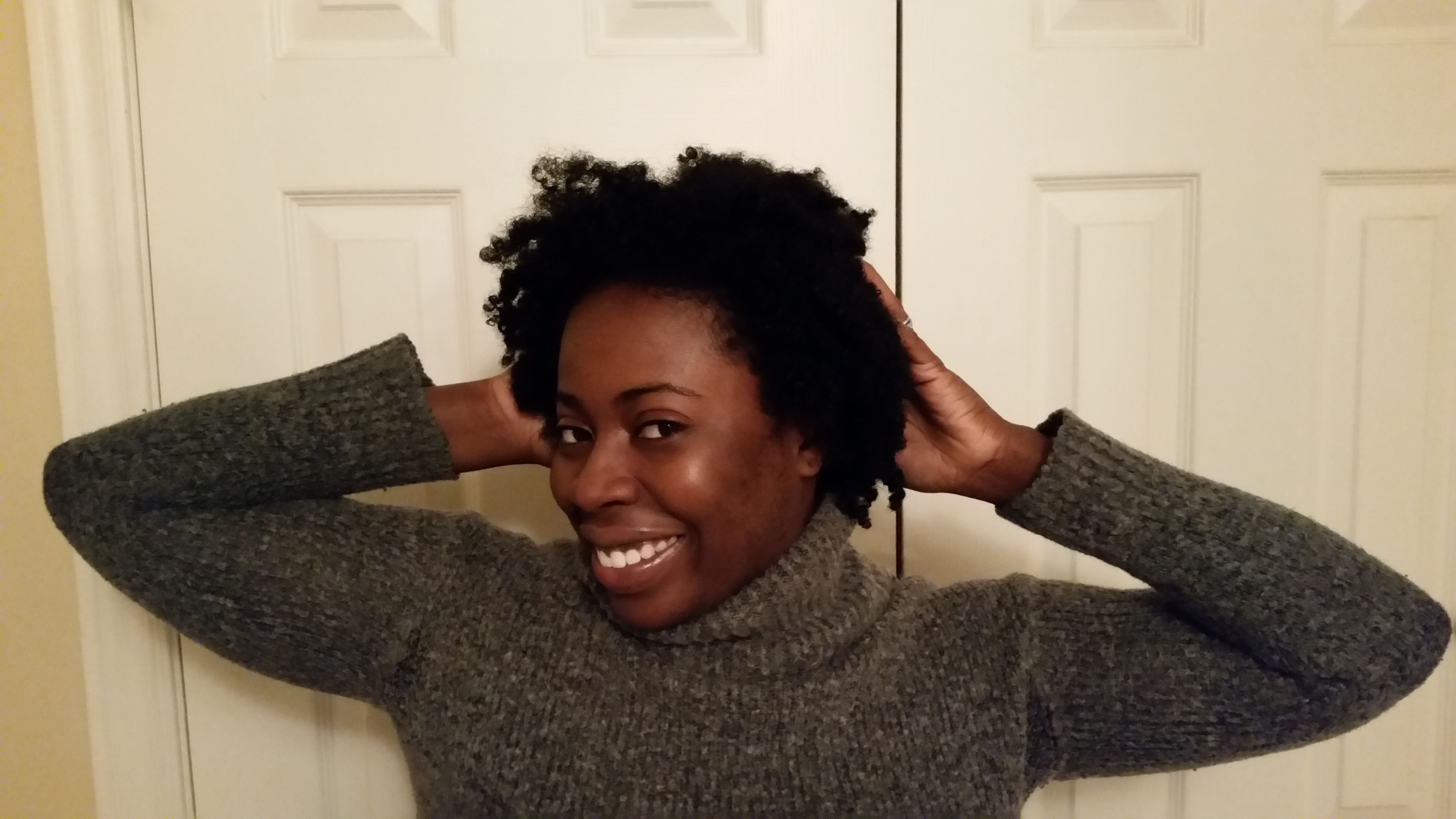
20160103_175408It’s been a week now since I completed the Earthtones Naturals’ 7 Day Rehydration Challenge, and I’m pleased to report that my super-hard-dry-breaking hair is now rehydrated, and it feels so good! (For more on my dry hair ordeal, click here) It’s soft and supple again, and almost back to its original state (Thanks, Susan!)

OGX Argan Oil of MoroccoMy regimen began with a pretty involved wash day (well, “pretty involved” for a lazy natural like me, lol), which consisted of:
  1. Pre-pooing my hair with coconut oil, putting on a plastic cap, and then sitting under my hooded dryer for 30 mins (since I couldn’t find my heated cap);
  2. Washing and conditioning my hair with OGX Argan Oil of Morocco Shampoo and Conditioner, (the natural-hair-friendly shampoo/conditioner that I’ve been using lately);

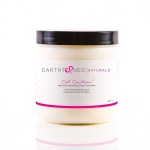
    Curl Condition Deep Conditioner


  3. Deep conditioning with Earthtones Naturals’ Curl Condition Intensive Hydrating Deep Treatment, covering my hair again with a plastic cap, and then sitting under my hooded dryer for 30 mins;
  4. Rinsing out the deep conditioner;
  5. Moisturizing my hair with Earthtones Naturals’ Curl Quench Hair Butter;

    hairbutterlarge__48514.1405342729.1280.1280_grande

    Curl Quench Moisturizer

  6. Detangling sections of my hair and plaiting them;
  7. Putting on a plastic cap again, covering it with my satin headscarf, and then heading to bed.


For the rest of the week, my regimen consisted of undoing my plaits in the morning, and then braiding my hair into two big French braids (my go-to protective style when I’m pressed for time).  At night, I would undo my French braids, spray sections of my hair with a mixture of water and glycerin (4 parts water + 1 part glycerin); plait those sections; put on my plastic cap; tie my headscarf over it; and off to bed I’d go.

In the morning, my hair would be moist and supple from having slept with the plastic cap on- and it managed to stay moisturized for the remainder of the day.

20160103_175208After the 7 days, my hair felt pretty much back to normal.  Mind you, I was still (and still am) experiencing some breakage, but definitely not to the same degree as I was in 2015.  My curl definition is back (during my bout of chronic dryness, no matter what I did, my hair would not keep its definition- my twist-outs/braid-outs would almost immediately frizz-out, and then get matted out of nowhere and turn into fairy-knot central).  And it has not felt this soft in months

If only I had known last year what I know now, I would have saved myself a lot of frustration and anguish (I even shed a few tears one day because I just didn’t know what to do!) Nevertheless, in retrospect, I can say I’m glad that I made those regimen mistakes in 2015 because my problems forced me to do research to try to fix them, which in turn taught me things I didn’t know before about my hair.  For instance, I discovered that I have low porosity hair, which requires some extra attention to keep it satisfied.


I now know that these are a few of my Type-4-low-porosity-hair’s favourite things:

  1. Hydration– my hair needs a lot of water and moisturizer!
  2. Heat– low porosity hair needs heat to help lift the cuticles and let moisture in; so my heated cap is my new best friend!
  3. Deep conditioner– the only time I used to deep condition my hair in the past was if I was experiencing serious breakage; now, I will be incorporating deep conditioning into my regular routine as a preventive measure, rather than a remedial one!

If your hair is suffering from severe dehydration like mine was, take the 7 Day Rehydration Challenge; and if you do, please don’t forget to let me know how it worked on your hair.

For more information on Earthtones Naturals products, visit www.earthtonesnaturals.com.

What are your secrets for keeping your hair hydrated and happy?

Lessons from 2015: If It Ain’t Broke, Don’t Fix It

20151127_163824As 2015 comes to a close, I’ve been taking the time to reflect on the things that went well, not so well, and overall, the many lessons that I’ve learned this year.  When it comes to my hair, specifically, though, I would say the biggest lesson I learned this year was “If it ain’t broke, don’t fix it”:

As you already know, I love being natural: I love the uniqueness of my hair; how big and fluffy it is; and its gravity-defying properties.  But what you may not know is that I’m a pretty lazy natural.  I mean, I wash and condition my hair regularly; get it trimmed when the ends get bad;  but compared to the extensive healthy hair regimens that I’ve heard that many other naturals undergo on a daily basis, I can’t say that I’ve ever been one to actually “take care” of my hair.

Prior to this year, my old haphazard regimen (if I could even call it that) consisted of using primarily Creme of Nature products, namely, washing and conditioning my hair with Creme of Nature Ultra Moisturizing Shampoo and their Professional Moisture Extreme Conditioner, respectively.

For styling, I would spray my hair with water and then moisturize it with Creme of Nature Argan Oil Moisturizer and shea butter before (a) setting it in two-strand twists for my twist-outs; OR (b) having my sister cornrow it for me (if I got lucky), OR (c) single-braid it with extension hair (if I really got lucky); OR (d) before I would slick on some Creme of Nature Argan Oil Gloss and Shine Polisher and give myself a blow-out.

However, after reading The Science of Black Hair by Audrey Davis-Sivasothy and then attending The Natural Hair Congress  earlier this year- and being enlightened on a number of things I’ve been doing wrong-  I decided that for the remainder of the year, I was going to make a concerted effort to take care of my hair, to optimize its health and to see whether I could maximize my length retention.

So I taking advantage of a sale at Target, while in the States, I bought myself some Cantu (sulfate-, paraben-, silicone- free) shampoo, conditioner, leave-in conditioner, and styling creme; as well as some Shea Moisture Coconut & Hibiscus Kids Extra-Moisturizing Detangler Spray; and started on my pathway to my new healthy hair regimen!

Shortly thereafter, my Mom and brother had started using coconut oil, and having heard about its miracle-working properties from numerous sources, I decided to start using it too.

I was so excited about finally treating my hair right…until it started to get hard…but I thought it was just my texture reacting to my not using products with sulfates, parabens, silicones, and all- other-things-that-are-bad-for-Black-hair, anymore.

But then it started to break…I mean, really break.  I would gently touch my hair with my finger tips, and pieces would just come off in my hands; and when I would detangle it with my Tangle Teezer or manipulate it in any way, flurries of little curly-cues would end up covering my floors (which I’m sure my husband was thrilled about).  My hair would be everywhere!

I started freaking out, and immediately stopped using the Cantu products and the Shea Moisture spray.  But it was still hard and still breaking.

I tried going back to my old chemical-filled shampoos and conditioners.  Still hard, still breaking.

Then one day, out of frustration, I Googled “natural hair dry brittle breaking”, and the first hit was an article talking about coconut oil and brittle natural hair.

Screen Shot 2015-12-31 at 5.49.51 PM

The whole time during this ordeal with my hard-and-breaking hair, I was still using coconut oil (along with my favourite product of all, shea butter).

Coconut oil?! How could it be? I thought.  Coconut oil was supposed to be the oil of all oils and every naturalista’s saviour, right?!  Well, for my hair, it definitely wasn’t!

So, I stopped using both.  But my hair has been a mess, ever since! And I still wasn’t sure what exactly it was that had messed it up.

Recently, a friend of mine shared this article on Facebook: http://blackdoctor.org/470909/7-reasons-to-stop-using-coconut-oil-and-shea-butter-on-your-hair/

It was then that I realized that it was not just the coconut oil, but rather my combination of coconut oil AND shea butter that had “sealed” my fate, leaving my hair hard, dry, brittle, and filled with fairy knots!

I was this close to cutting it all off, but before doing so, I decided to speak to Dr. Susan Walker of Earthtones Naturals two weeks ago to see if she could help me fix it.  She told me that I had been using coconut oil in the wrong way- that it cannot be used to “seal” your hair and that I should have been using it as a pre-poo treatment instead- so it was no wonder that my hair was super-dry.  (And here I was thinking that you could just use coconut oil for everything- WRONG!)

It also turned out that Susan had just put together a 7-Day Rehydration Challenge for her subscribers (check it out here: 7 Day Rehydration Protocol); and for the past week, that’s what I’ve been doing: trying to re-hydrate my hair.

So far, it’s been working- my hair feels much more supple than it has in months.

Having learned this important lesson in 2015, in 2016, I will:

  • Pay attention to what my hair is telling me– if something is not working for my hair, I will STOP!
  • Do what is right for my own hair– everyone’s hair is different
  • Try new products or methods incrementally– I won’t try a whole bunch of new things all at once
  • Be diligent about taking care of my hair properly

What, if any, are the lessons you learned about your hair in 2015? What will you do differently in 2016?

Keep Your Beard Calm with Some Balm

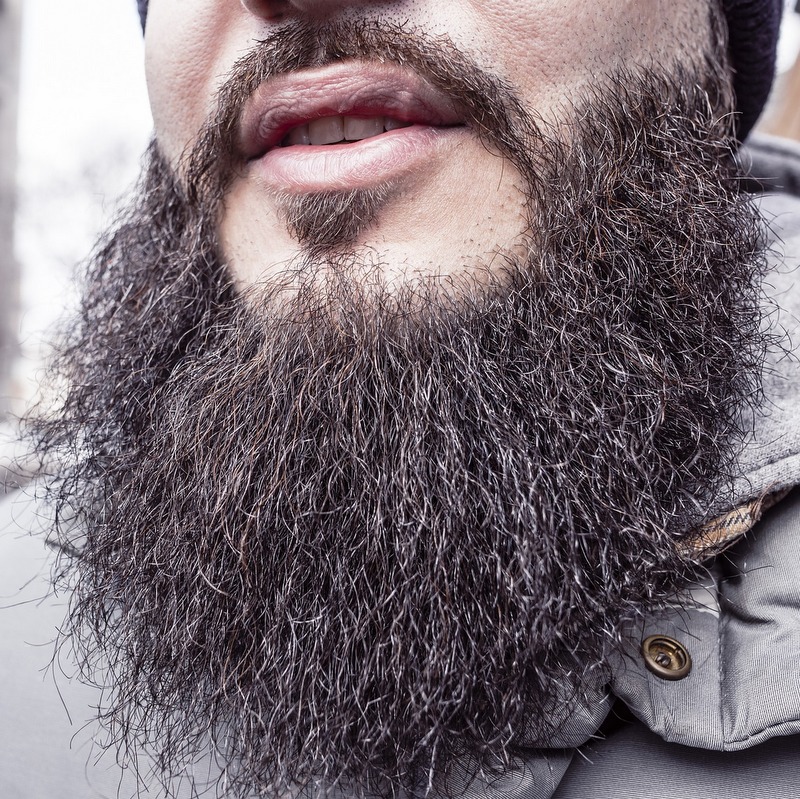
portrait-997190_1920-002What do you do when your beard hairs start getting wild and out of place? Calm them down with some beard balm!

Beard balm can be used not only to moisturize and soften your facial hair (similar to beard oil), but also to mold and hold your whiskers in place.

tin-694915_640 copy


Why beard balm?

Although beard oil and beard balm both condition your facial hair, beard balm might be a better choice for you if you struggle with hairs that keep sticking up in the wrong direction, or if your beard feels especially stiff, dry, or wiry. The thicker consistency and weightiness of beard balm will help your hairs clump together and make them stay uniform throughout the day.

What is beard balm exactly?

Beard balm is a leave-in conditioner/styling agent for your beard, made from a combination of beeswax, natural butters (i.e. shea and/or cocoa butter), essential oils, and carrier oils.

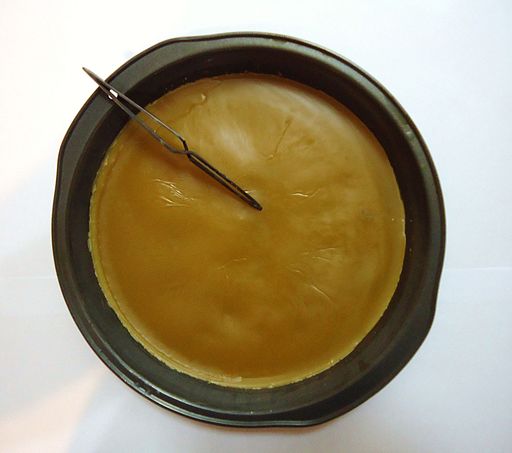
Beeswax is a natural wax made by honeybees to make honeycombs. Beeswax gives beard balm its holding properties.

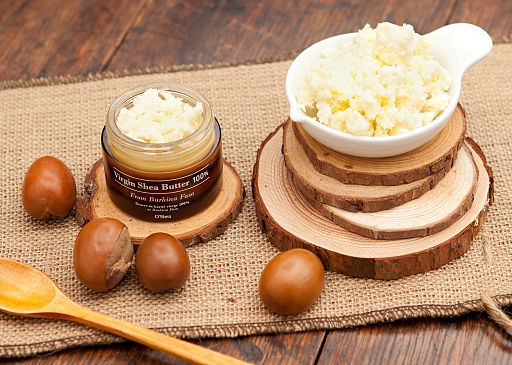
Sheabutter-virginsheabutterThe natural butters in beard balm make it spreadable.  Shea butter is a cream- or yellow- coloured nutty-smelling natural butter that is made from the nut of the shea (or karité) tree, found in West and Central Africa.  Unrefined shea butter is an excellent conditioner for your hair (and skin) and is also a source of vitamins A and E and fatty acids.


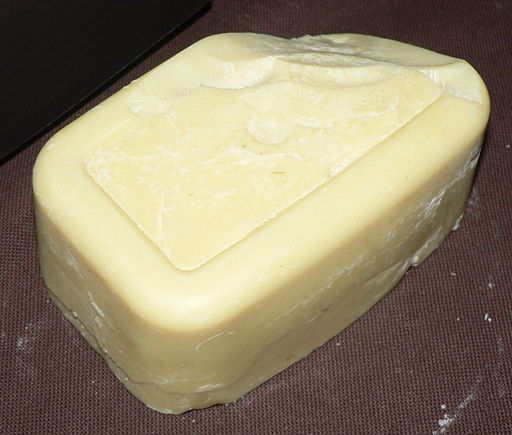
512px-Cocoa_butter_p1410148Cocoa butter (or theobroma oil) is a pale-yellow chocolatey-smelling natural butter that is made from cocoa beans.  Cocoa butter contains antioxidants and is used to make chocolate products(!), and, more importantly, hair and skin products.  Though solid at room temperature,  cocoa butter easily melts when it comes in contact with the skin.


Essential oils are natural oils that are extracted from plants and carry the fragrance, or the “essence”, of those plants, and are often used for medicinal or aromatherapy purposes (i.e. tea tree oil, eucalyptus oil).  Essential oils are potent compounds and should always be diluted with a carrier oil before being applied to the skin.

Carrier oils, or base oils, are oils used to dilute or “carry” the essential oils to keep them from irritating your skin (i.e olive oil, castor oil).  Coconut oil is often used as a carrier oil in beard balm, not only because of its conditioning properties, but also because, at room temperature, it has the consistency of a butter. (For a list of good essential and carrier oils for beards, click here.)


Popular Beard Balms

Beard balm, like beard oil, is becoming increasingly popular in men’s grooming.  Though I could not find many that are specifically formulated to meet the needs of beard wearers with kinky, coily hair, Scotch Porter (formerly known as NUDE) Beard Balm stands out as one of them.  Two other brands that also seem to be popular for all hair textures were Virtu Beard Balm by Liberty Premium Grooming Co. and Honest Amish Beard Balm Leave-in Conditioner.  In any case, you could always try your hand at making your own…


Molten_beeswaxDIY Beard Balm

To make your own beard balm, you’ll need:

A small pot or double boiler;

2 Tbsp beeswax;

2 Tbsp shea butter

1 Tbsp cocoa butter;

5 tsp of your carrier oil of choice;

A few drops of the essential oil whose scent you like the most;

A small storage tin.


***Designate a pot that you will use only for making beard balm because it will be hard to get the  ingredients off of it when you’re ready to use it for food again***

Put your beeswax, natural butter, and carrier oil into the pot.

Cook over a very low heat, or use a double boiler (Whether you use a pot or a double boiler, you want to avoid using high or direct heat: you want your ingredients to get warm enough to melt, but not burn or boil!)

Allow the ingredients to melt, while stirring occasionally.

Once the solution has become a liquid, remove from the heat.

Add your essential oils, making sure to do so before the balm solidifies, and stir well.

Immediately pour the mixture into a storage tin and cover.

Let the balm sit overnight to cool; and you will have your own beard balm by the morning!

Make it your own!

You can play around with the proportions until you find the consistency that you like; but aim for having about 2/3 of your balm consisting of your room-temperature solids (namely, your beeswax, natural butters, coconut oil, etc), and 1/3 of your mixture being made up of your liquid carrier oils.

If your balm is too soft and not holding well, add more beeswax; if your balm is making your beard crunchy, then use less beeswax.


How do you apply beard balm?

After washing and drying your beard, rub some balm through your beard once a day.  You can even use your beard balm along with your beard oil to double-up on the conditioning effects!


Sources:

About.com, “Shea Butter: What It Is, Why It Works”: http://multiculturalbeauty.about.com/od/Natural/a/Shea-Butter-What-It-Is-Why-It-Works.htm 

Beardoholic, “How To Make Beard Balm At Home (DIY)”: http://beardoholic.com/how-to-make-beard-balm/

Beard Pros, “Best Beard Balm 2015”: http://www.beardpros.com/best-beard-balm-2015/

Encyclopedia Britannica, “Cocoa Butter”,  2015: http://www.britannica.com/topic/cocoa-butter

Grow A Beard Now, “Beard Balm Recipe”: http://www.growabeardnow.com/beard-balm/

Livestrong, “What are the Benefits of Raw Shea Butter?”: http://www.livestrong.com/article/324195-what-are-the-benefits-of-raw-shea-butter/#sthash.olm0XvYX.dpuf

The Manliness Kit, “How to Make Beard Balm with Beeswax in 5 Simple Steps”: http://manlinesskit.com/how-to-make-beard-balm-recipe-with-beeswax/

Tools of Men, “Beard Balm Recipe: The Ultimate DIY Guide”: http://www.toolsofmen.com/beard-balm-recipe/


Do you think beards should be kept “calm” with balm? Or should they grow free?

Spoil Your Beard with Some Oil

scraggly beard - beard-698509_1920 - pixabay

So, you’ve decided to grow your facial hair out… If you want your beard to look, feel and smell its best, you’ll have to invest some time in its upkeep by developing a proper beard care regimen.  If you haven’t already, in addition to washing, conditioning, and trimming your face bush, make sure to add a good beard oil to your line up!


Why beard oil?

Beard oil will keep your whiskers soft, supple, shiny, and smelling good—and keep your significant other loving your whiskers as much as you do (read: tickles are nicer than scratches!)

What is beard oil exactly?

Beard oil is an oil mixture for softening your beard made up of two types of oils: essential oils and carrier oils.

Essential oils are natural oils that are extracted from plants and carry the fragrance, or the “essence”, of those plants.  These oils have been used throughout time for medicinal or aromatherapy purposes because of their natural healing properties.  Essential oils are potent compounds which could irritate or even burn your skin, so they should not be applied directly to your face, and this is why they are usually combined with carrier oils.

Carrier oils, or base oils, are oils used to dilute or “carry” the essential oils to keep them from irritating your skin.

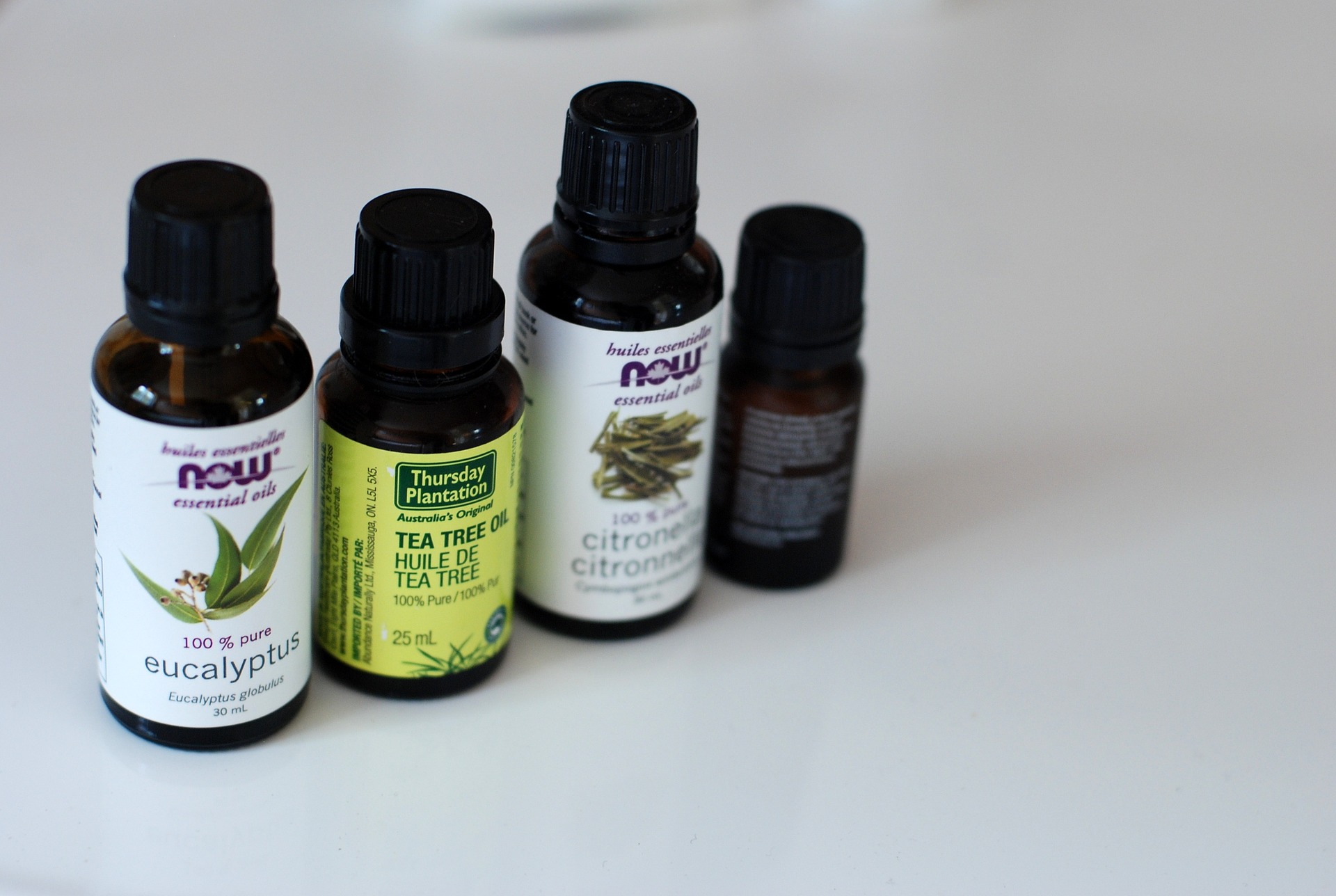
Essential oils - essential-768949_1920 - pixabay

Popular essential oils for beard care:

  • Cedarwood
  • Cypress
  • Eucalyptus
  • Lavender
  • Lemon
  • Peppermint
  • Rosemary
  • Sandalwood
  • Tea Tree
  • Thyme

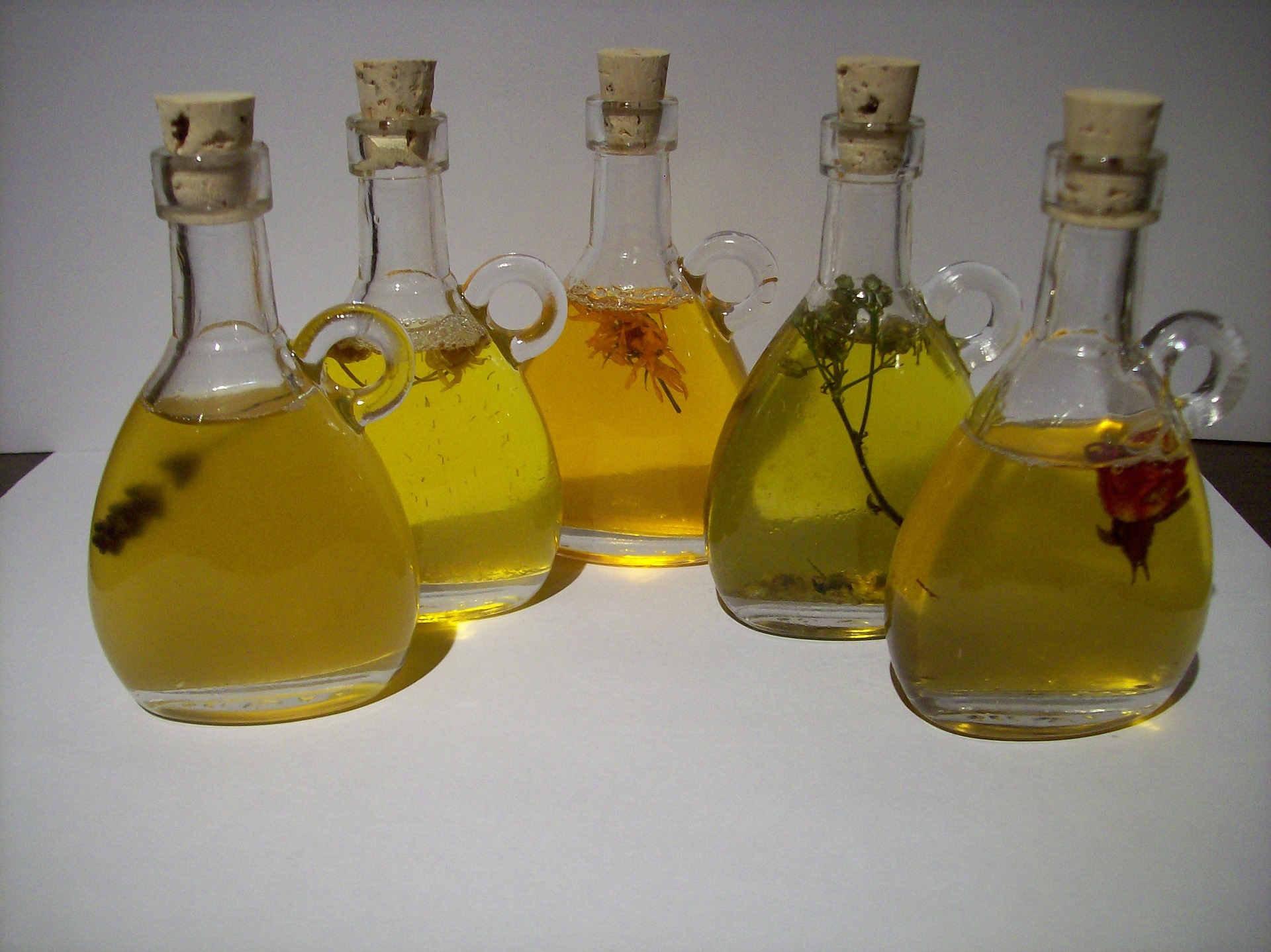
Carrier oils - oils-740177_1920 - pixabayCommon carrier oils:

  • Almond
  • Argan
  • Avocado
  • Castor
  • Coconut
  • Grapeseed
  • Jojoba
  • Olive

There are a number of beard oils out on the market to choose from, like Happy Jake’s Beard Oil, Jack Black’s Beard Oil, and Shea Moisture for Men Shea Butter Beard Softener & Skin Protector; but if you’re feeling adventurous, you could also make your own at home.


DIY Beard Oil

To make your own beard oil, you’ll need:

Small 1 oz (30 mL) bottles;

A funnel;

The essential oil whose scent you like the most;

Your carrier oil of choice;

An eye dropper (if your bottle of essential oil does not come with its own dropper).


Buy some small 1 oz (30 mL) bottles to hold your oil once it’s made (or even slightly larger bottles, like the ones you use for your carry-on liquids when flying, if you want to make a bigger batch);

Use a funnel to pour 1 oz (30 mL) of your carrier oil into a bottle;

Use your dropper to add 3-10 drops of your essential oil (depending on how strong it smells) to every 1 oz (30 mL) of carrier oil;

[You don’t have to stick to one essential oil and/or carrier oil: you can play around with different blends of oils to create your own signature beard oil.  For example, you could mix 1/2 oz (15 mL) of one carrier oil with 1/2 oz (15 mL) of another, and then add a couple of drops of 2 or more essential oils.]

Mix the oils together by shaking the bottle for about 30 seconds; and voilà– you’ve got your own beard oil!


How often should you oil your beard?

Oil your beard at least once a day: after washing and conditioning your beard, pour a few drops on to your fingers and massage into your beard and the skin underneath.  Use a brush or comb to evenly distribute the oil throughout your beard.

Enjoy spoiling your beard with some oil!


Sources:

Valerie Ann Worwood, The Complete Book of Essential Oils and Aromatherapy, 2012.

The Art of Manliness, “DIY Beard Oil”: http://www.artofmanliness.com/2014/09/09/diy-beard-oil/#disqus_thread

Beard Mountain, “Beard Oilcyclopedia Part 2: Essential Oils and How to Make Beard Oil”: http://beardmountain.com/beard-oilcyclopedia-part-2-essential-oils/

The Manliness Kit, “What is Beard Oil and Why You Should Care”: http://manlinesskit.com/what-beard-oil-why-should-care/

The Manliness Kit, “DIY: How to Make Beard Oil. Quick & Easy Recipes” http://manlinesskit.com/diy-how-to-make-beard-oil-quick-easy-recipes/

Swanson Vitamins, “Essential Oils and Aromatherapy: Beginner’s Guide to Using Essential Oils”: http://www.swansonvitamins.com/blog/natural-health-tips/essential-oils-aromatherapy-guide

What oils/blends do you use to spoil your beard?

Long Live the Beard!

Jidenna_2015

A Classic Man needs his beard (Photo by goatling, CC BY-SA 2.0)

In the spirit of Movember, this month, I will be focusing on men’s hair—beards, moustaches, head hair, and maybe even chest hair!

What’s more “manly” than facial hair?

It’s no surprise that growing out one’s facial hair was the act of solidarity chosen for Movember, the month that we dedicate to “changing the face of men’s health”, since we typically associate facial hair with men (though it’s not uncommon for women to also have facial hair). As a result, in cultures all around the world, beards and moustaches have come to represent masculinity and male sexual prowess.

While a man’s choice to grow his facial hair is usually a personal one, just like head hair, the presence or absence, length, shape, and even colour of facial hair sends certain messages (whether intentional or not) to other people about a person’s age, status, rank, religious beliefs, or political stance. So, the decision to grow a beard or a moustache can be a fun, but also serious, one.

Moustaches

Photo by Mitch Hell, CC BY-ND 2.0

Lately (Movember aside), I’ve noticed a trend towards men growing out their facial hair (for celebrity examples, click here or even here).  Like most fashion trends, the popularity of facial hair growth goes in cycles—30-year cycles, according to an Australian study, and we’re said to have hit a “peak-beard” back in 2013—nevertheless, it seems like longer facial hair will be around for a little while longer (and I’m not complaining about it: I love me a goatee!)

In any case, it’s Movember, so, long live the beard!


Hans_Langseth

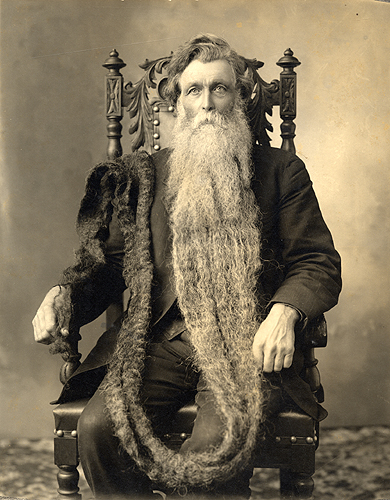
Hans N. Langseth, the man with the longest beard in the world, on record [By Jorgenson, Nils C. (Public domain)]

Some interesting facts about beards:

  • On average, a man has about 25,000 hairs growing on his chin.
  • An average beard grows about 5-6 inches (or 12.5 to 15 centimeters) a year.
  • The Guinness Book of World Records holder for the longest beard is Hans N. Langseth from Norway (1846-1927), whose beard grew to 5.33 meters (17 feet 6 inches) by the time he was buried.
  • Daily shaving started to become popular back in the 1910s when Gilette launched ad campaigns to promote their home-shaving products by suggesting that women were more attracted to clean-shaven men.


Beards

Photo by Nordelch, CC BY-SA 3.0

Some beard care tips

Just like head hair, facial hair needs TLC too! Keeping your beard looking good and feeling soft calls for a proper beard care regimen:

Wash it:

  • Shampoo your beard a few times a week with a moisturizing shampoo or a gentle face wash to keep your facial hair (and the skin underneath) clean, which prevents breakouts and leaves it smelling fresh.
  • Make sure you rinse out the shampoo properly to avoid itchiness as well as dryness and flaking (“beard-druff”).

Moisturize it:

  • After washing it, moisturize your facial hair and the skin underneath to prevent itchiness, beard-druff, and premature aging, by using a good beard softener/conditioner, beard oil (usually a blend of essential oils) or beard balm.
  • Using beard oil, balm, or conditioner will also seal in moisture and keep your wayward hairs in place, to keep your facial hair looking neat and feeling supple.

Maintain it:

  • Clean up your lines daily with a razor.
  • Make sure your razor is cleanespecially if you have curly, wiry, or kinky hair,  to avoid getting razor bumps!
  • Use warm water and shave in the direction that your hair grows.
  • After shaving, make sure you shake your razor dry to prevent rusting.
  • Change your blade frequently (no more than 5 shaves).
  • Brush or comb your beard to properly distribute your beard care products and maintain your look.

Trim it: 

  • Trim your beard regularly to get rid of split ends and preserve its shape.

Nourish it:

  • Eat a balanced diet: healthy hair grows from the inside out.
  • Drink lots of water: hair is hydrated from the inside out too!


Sources:

The Encyclopedia of Hair: A Cultural History by Victoria Sherrow, Greenwood Press, 2006.

12 Easy Beard Care Tips: http://www.webmd.com/men/features/beard-care-tips?page=3 

How to Groom Your Beard Better: http://www.mensjournal.com/expert-advice/how-to-groom-your-beard-better-20130828 


Happy Movember, everyone!


Highlights from the Canadian Naturalistas Hair Expo

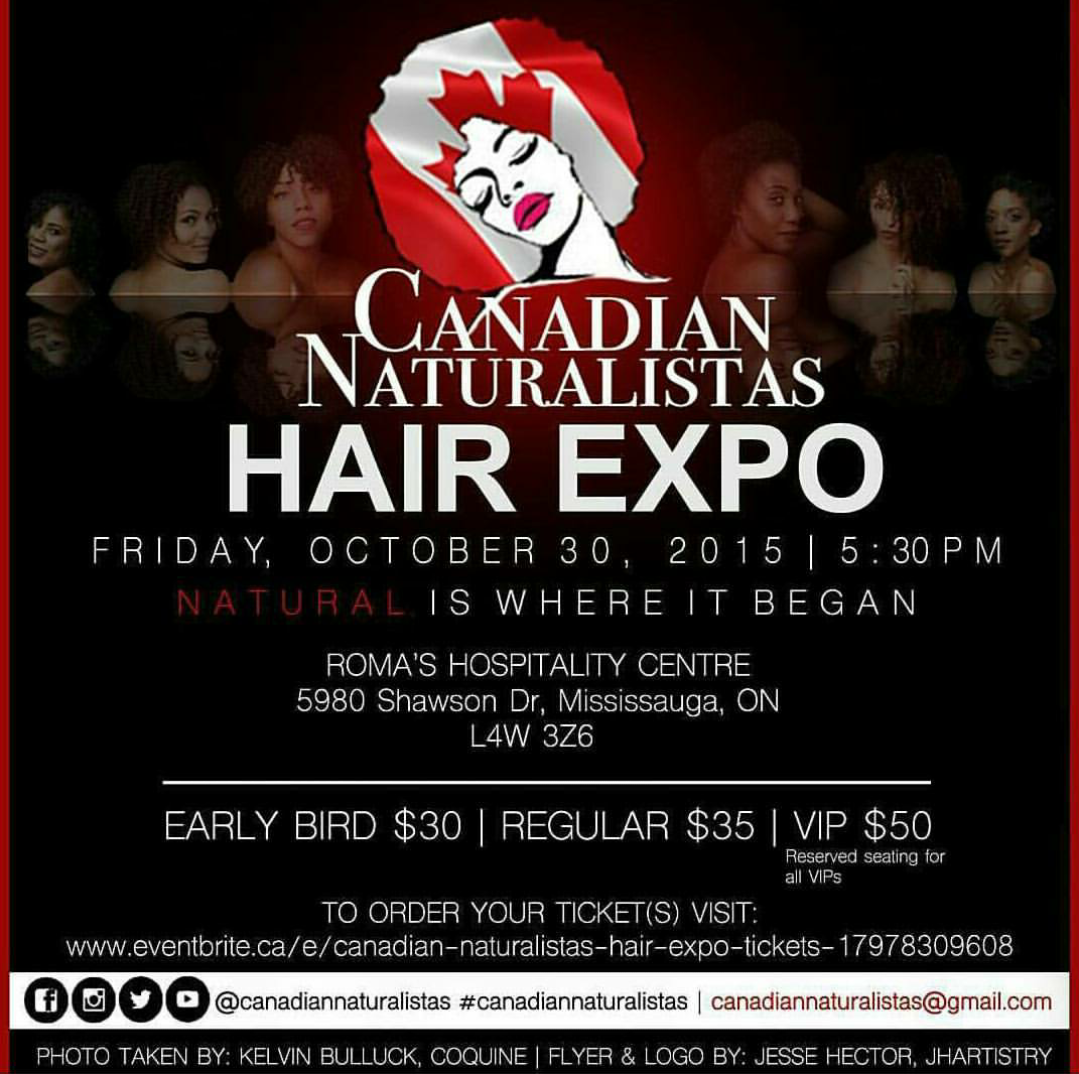
Canadian Natural Hair Expo

On Friday, October 30th, naturalistas from across the Greater Toronto Area gathered at Roma’s Hospitality Centre in Mississauga for the first annual Canadian Naturalistas Hair Expo.

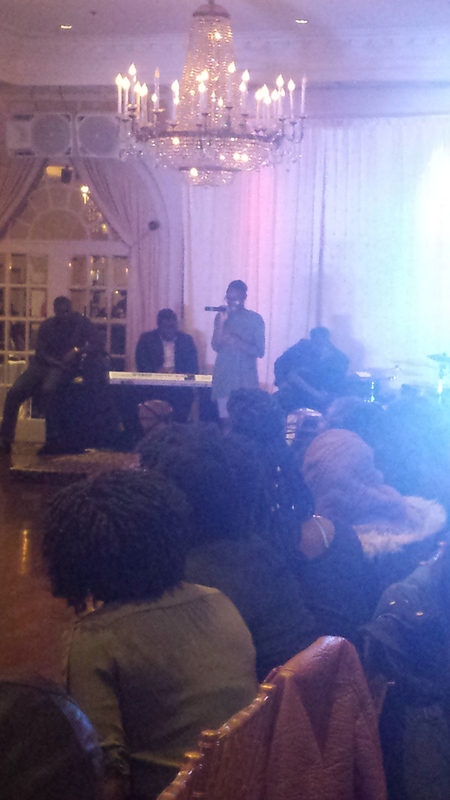
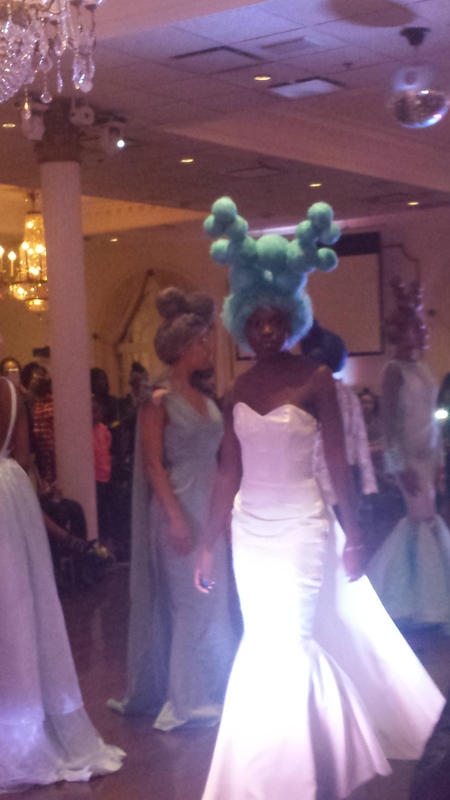
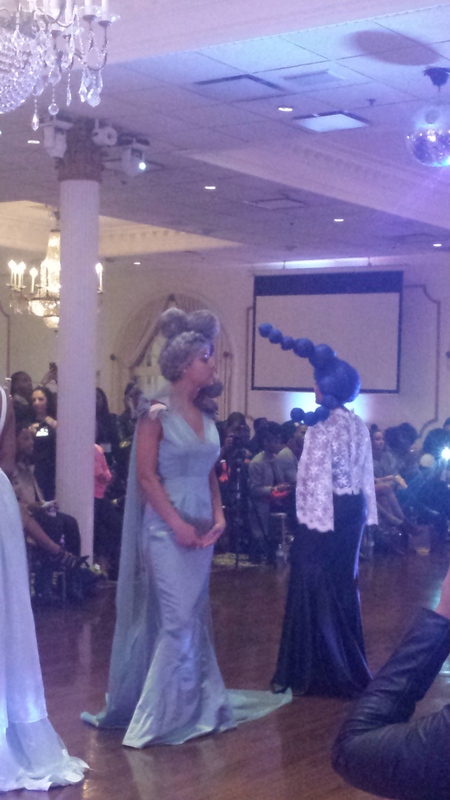
The Expo was a jam-packed evening of natural-hair-goodness, featuring a panel discussion, two hair fashion shows, two hair care workshops, spoken word and vocal performances, giveaways, vendors, and more!

Snapshots from the evening...

Snapshots from the evening…

20151030_203535 20151030_205015


Panel Discussion

The panel discussion focused on the Naturalista Experience in Canada, and was moderated by the Founder of Canadian Naturalistas, Brittiany Gayle (@canadiannaturalistas).

Panel discussionThe panel was graced with the presence of YouTube sensations Jaimee Leblanc (Jamie Elle; @__lblnc), Dorcas Siwoku (Curious About My Curls), and Charnel Grey (@charnelgrey); bloggers Aziza Brown (6lackADaima) and Jade Janelle (SistaGerlsWithCurls; @jadejanelle); and Baltimore-based photographer Kelvin Bulluck, creator of the natural hair portrait series, “Coquine: The Beauty of Kinky Hair Realized” (@kelbpics).  The five female members shared their perspectives as African-Canadian women who wear their hair natural, while Kelvin offered the perspective of an African-American man, who has interacted with naturalistas across Canada, the United States and the United Kingdom.

As an audience member, it was interesting to hear the varied hairstories of the panelists—some of whom had big-chopped, others who had transitioned, and a couple of whom have been natural for most, if not all, of their lives.  While some of ladies experienced pushback from their family, friends, and loved ones when they decided to go natural, others were actually encouraged to do so—like Aziza, who has been a lifelong locs wearer, as a Rastafarian.  Aziza explained that many people still have a negative perception that locs are dirty; yet, at the same time, there also seems to a trend towards a sort of infatuation with the hairstyle, which often draws [good] stares.

The ladies talked about their go-to natural hairstyles (for the most part, wash ‘n’ gos and braid-outs), as well as their seasonal hair care regimens (i.e. wearing protective styles and using heavier butters/oils, like shea butter, olive oil, black castor oil, and coconut oil in the wintertime; and wearing their hair out and turning to lighter oils for the summertime). Although the panelists shared their beauty and hair maintenance secrets, they also encouraged audience members to experiment with different products to find out what works for them as individuals.

Wash DayWhile sharing the joys of being natural, the ladies were also quite honest about the not-so-pleasant aspects, such as the struggle that is Wash Day—for instance, Dorcas, whose main battle is getting herself [mentally prepared] to go through the process of washing her hair; the frustrations of detangling; just how time-consuming proper hair maintenance can be; and sometimes feeling limited to certain [“appropriate”] styles and hair colours, so as not to draw negative attention from others.

Kelvin, the sole gentleman on the panel, expressed that his appreciation for natural hair came from growing up with naturalista women, namely his mother and three sisters, as well as being greatly inspired by his naturalista wife. He explained that his motivation for “Coquine: The Beauty of Kinky Hair Realized” (his amazing photo series, which has led him to travel through three different countries to capture portraits of women with natural hair), is to “spread the natural hair gospel” by bringing a positive light to it. He further explained that he chose the name “Coquine” because it’s the French word for “kinky” (kinky, in both senses), and textured hair is still considered to be taboo, in many cases- for instance, some of the lawyers and doctors he has photographed have been told they can’t wear their hair “that way” in their professions.

Some key takeaways from the discussion:

  • Exude confidence when going natural and when wearing your hair natural: fake it until you make it, if you have to, suggests Charnel Grey;
  • Have fun with experimenting with your hair, and don’t see it as a chore [especially if you want to see it grow], advises Jaimee Leblanc; and
  • Recognize the amazing powers of coconut oil: “Rub it on everything—it will save your life!” exhorts Jade Janelle.


Workshops

The Expo also featured two natural hair care workshops.  Dr. Susan Walker of Earthtones Naturals and Monique London of London Ivy Products facilitated simultaneous workshops on vital techniques for braving the arctic weather as a Canadian naturalista: “Cold Weather Curl Care” and “Do’s and Don’ts of Protective Styling”, respectively. Both facilitators emphasized the importance of making changes to your hair care regimen to shield your hair from the dry frigid air of the winter season, such as increasing your hair’s moisture levels and/or essentially covering your hair with protective styles, like braids, twists, weaves, or wigs.

For more information on how to properly take care of your hair in wintry climates, check out Dr. Walker’s webinar here: Cold Weather Curl Care.

20151030_203613

Homegrown talent…

20151030_203833 20151030_203721


The Expo was a great opportunity to meet other GTA naturalistas; learn how to properly take care of your hair, regardless of the season; witness the creative genius of hair designer Allison Griffin (@da_allig_show) and curly hair specialist Keina Morgan of Urban Curls Toronto (@urbancurls416); and pick up some natural hair products, from local vendors (#shoplocal), like Up North Naturals, London Ivy Products, Locsuria, Earthtones Naturals, and CurlShoppe, among others.

Kudos to Brittiany Gayle and the Canadian Naturalistas team (@canadiannaturalistas) for putting on a very classy and informative event! ‘Looking forward to CNHairExpo 2016!


New logo!

I’m pleased to reveal The Natural Hair Advocate’s brand-new logo! I really wanted something that would reflect who I am- a naturalista and an advocate- while also reflecting how my crown of coils connects me to my African roots.

Big thanks to Dylan Gnitecki of Gnitecki Design (http://www.gniteckidesign.com) for bringing my concept to life!

Do you feel like your hair connects you to your roots?

The Summer of the Natural Updo

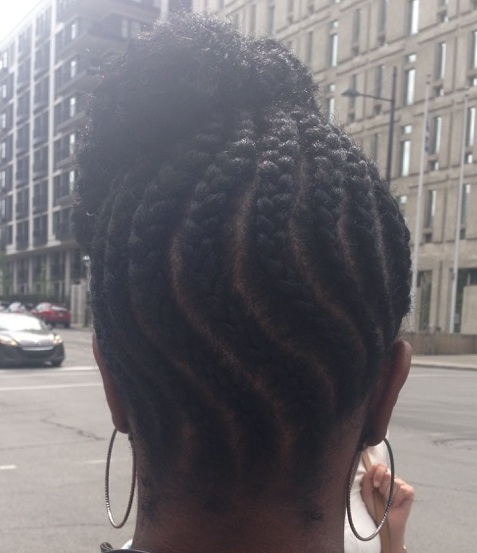
headbackLabour Day has come and gone, which means that my favourite season of the year is now pretty much over…sigh!  It’s been quite the summer though: my hubby and I have attended six weddings so far (and we still have one more on deck for October!)

My old go-to wedding updo

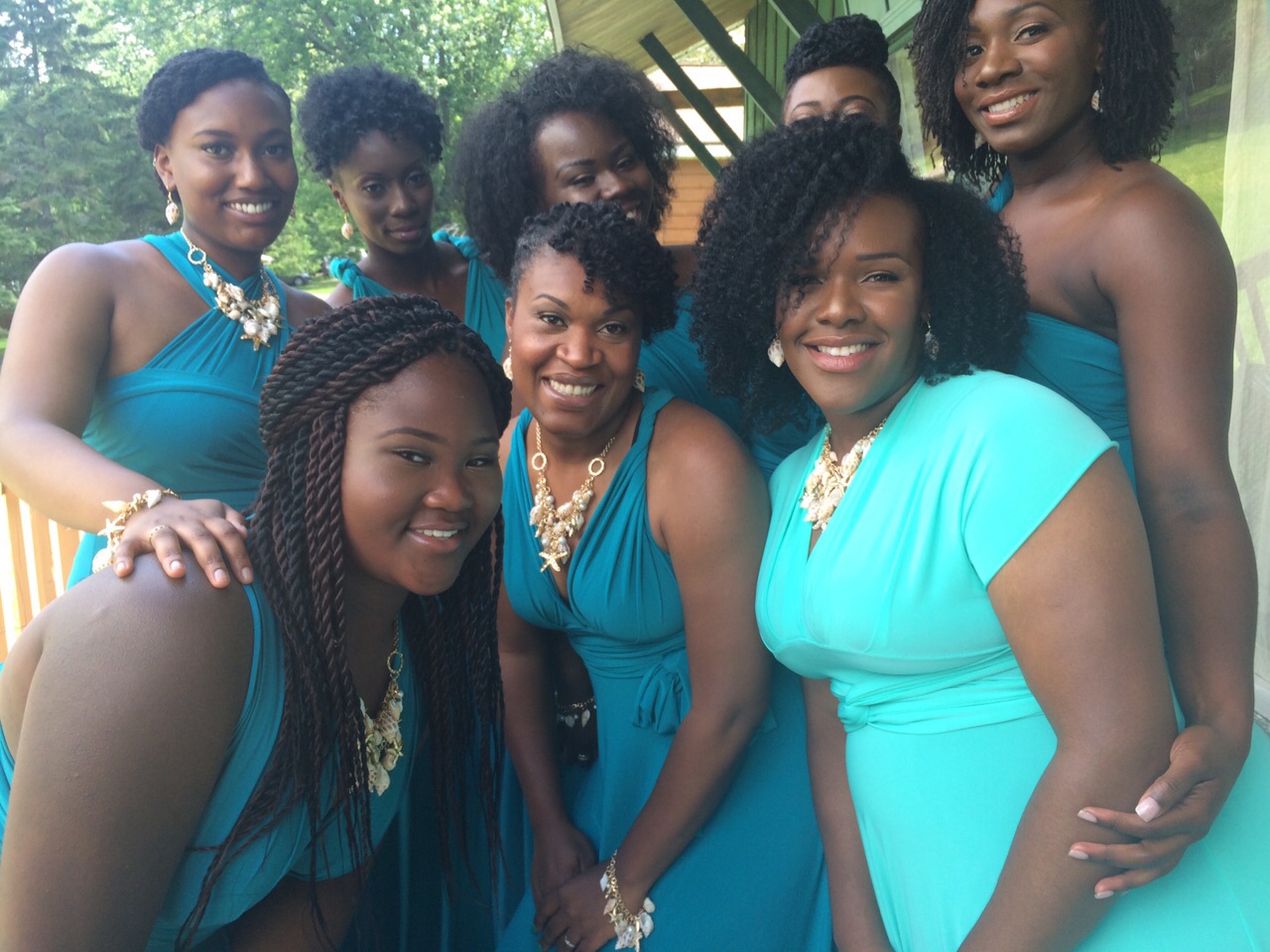
Out of those six weddings, I was a bridesmaid in three of them; so, you know, my hair had to be on point! And nothing says “wedding hair” to me more than an elegant updo.  There was a time when that “elegance” meant having to blow my hair out, flat-ironing it as straight as possible, and slicking my fancy bun, wrap, or roll back using a hard-bristled brush and (what would feel like) half a jar of EcoStyler® gel to make sure that it would stay sleek; and then hoping and praying that on the wedding day that (a) it wouldn’t be humid, (b) it wouldn’t rain, or (c) I wouldn’t sweat my style out during the outdoor photos…or while turning up on the dance floor at the reception.

Thanks to the Natural Hair Movement, however, textured updos are now more acceptable than ever (to the point where I was even in a wedding this year where the bride only wanted to see textured styles on her bridesmaids! Never thought I’d live to see the day!)

Natural bridesmaids - Gen's Wedding

All naturalista bridesmaids!

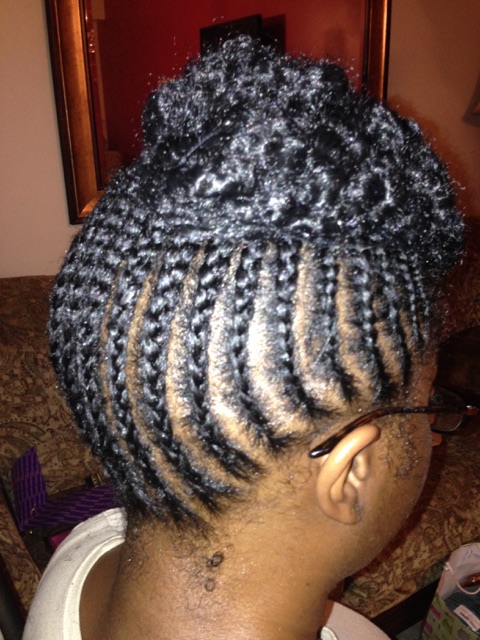
Although we’ve come a long way, I still found myself asking the brides if they were okay with me wearing cornrowed styles in their weddings—even though I think that braids are just as beautiful as the next style, I know that not everyone feels that way.  Needless to say, the brides this year approved of my textured style choices; so it turned out to be “the summer of the natural updo” for me, courtesy of none other than my hairdresser sister, Sarah Anderson of Sarah Naomi’s Hair Care & Beauty.

20150911_183450

Check out Sarah’s masterpieces on social media: @iamsarahnaomi

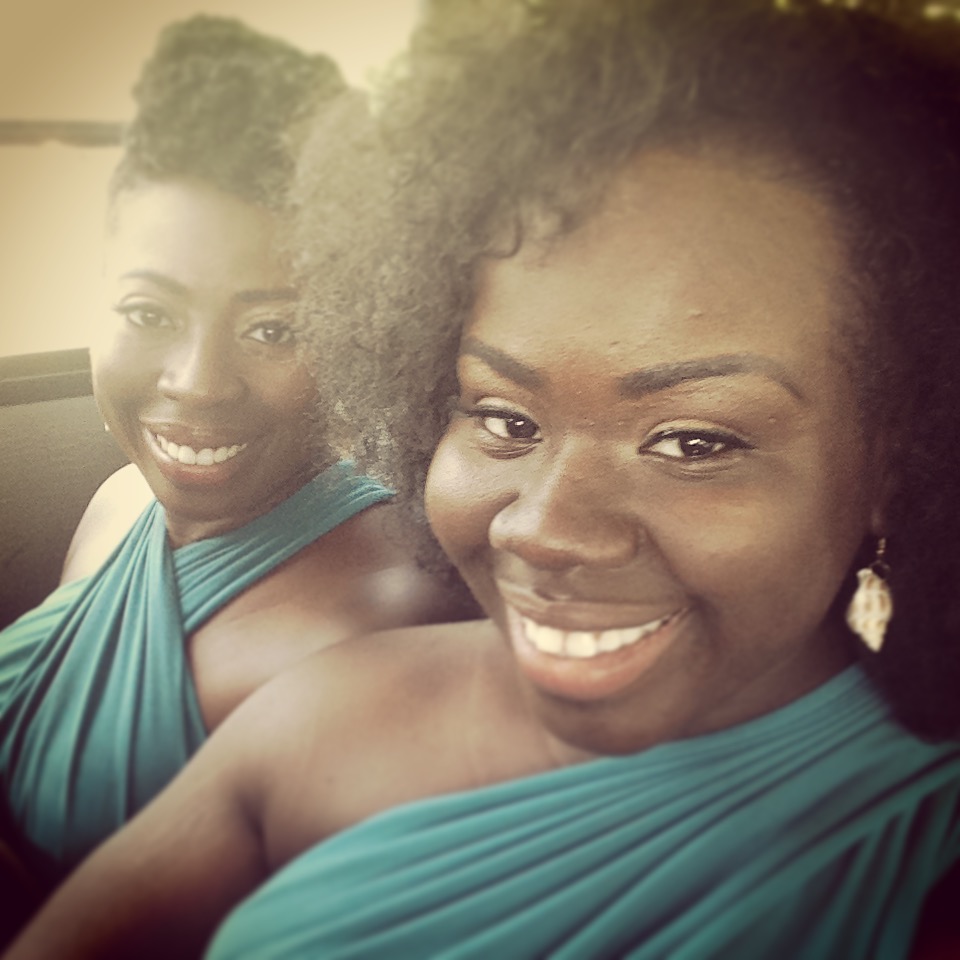
Here’s a snapshot of what my summer wedding hair looked like:

imagejpeg_4 imagejpeg_5


Sarah & Me - Gen's Wedding Sarah & Me - Gen's Wedding #2

20150801_172401 imagejpeg_3 efua's wedding

IMG_1933 imagejpeg_2

 What about you? Would you wear a natural updo to a wedding or some other formal event?

Are cornrowed or textured styles “elegant enough”, or is straightened hair the way to go?

A Touching Story About My Hair Being Touched

Check out this piece written by my friend and fellow blogger, Simone Samuels, about how a hair-touching encounter touched her heart.

Simone's avatarSimone Samuels

I was trying to comb out my hair in the change room after my swim today. The shrinkage (and the accompanying struggle) was real. Chlorine and my hair (and my eyes for that matter) are not friends. I was just trying to detangle it and then I would wash it when I got home.

In the mirror, I noticed an elderly Chinese lady who was drying her own hair just staring at my hair. I had a feeling she was going to touch it. While I don’t plan on becoming a petting zoo any time soon, I realize Black hair is a fascinating phenomenon and by the way she was staring, I assumed this was the closest she’d ever been to hair like mine. She spoke no English, but she touched my hair and then touched hers as if to say, “Your hair is so curly and mine is so…

View original post 350 more words

Kylie Jenner cornrows and Bo Derek braids: when White women wear “Black” hairstyles

White Woman - Cornrows


In case you missed it, earlier this month, Kylie Jenner (Keeping Up with the Kardashians) and Amandla Stenberg (Rue from Hunger Games) got into it on Instagram after Ms. Jenner posted a photo of herself wearing cornrows, captioned “I woke up like disss”.  Ms. Stenberg called Ms. Jenner out for cultural appropriation, and further condemned her for using her celebrity platform to emulate Black culture rather than use her voice to support the Black cause:

“When u appropriate black features and culture but fail to use ur position of power to help black Americans by directing attention towards ur wigs instead of police brutality or racism #whitegirlsdoitbetter,” posted Ms. Stenberg.

When I first heard about the incident, I wasn’t sure how I felt about it because I didn’t know all of the details (and still don’t).  In my opinion, cultural appropriation is not a light accusation to make, specifically because it suggests racist motives behind a person’s behaviour.  Furthermore, I believe that cultural appropriation depends on the context of the situation.

In the case of Ms. Jenner, at first glance, it seemed like she just wanted to try out something new with her hair, and, like the author of this recent article in The Guardian, I don’t see anything wrong with that.  However, by using the caption, “I woke up like disss”, not to mention posting a video tutorial the day before on how to wrap your hair at night, I can see how Ms. Stenberg may have felt like this youngest member of the Kardashian clan was making a mockery of Black hair practices, rather than genuinely celebrating them. But it all depends on Ms. Jenner’s motives; and it’s up to her to shed light on them.

On a wider scale, however, this incident has raised an important question, in light of the Natural Hair Movement and the resulting increase in awareness and acceptance of Black hairstyles:

Is it cultural appropriation when a White woman wears cornrows?   

For me, when it comes to assessing whether wearing a braided hairstyle constitutes cultural appropriation, I would have to ask myself the following questions:

1) Are the braids being worn simply as a styling choice; or is the wearer playing “dress-up”, and, in essence, mocking the Black experience?

2) Does the wearer recognize the political and/or historical connotations of her hairstyle choice? And does she even care?


Are the braids simply a styling choice; or is the wearer  playing “dress-up”, and, in essence, mocking the Black experience?

I personally don’t believe that there is anything wrong with people from non-Black cultures wearing braided hairstyles (i.e. braids, cornrows, locks, bantu knots, etc.) Why? Because hair braiding is a human practice—not a “Black” one—braids have been worn by people of all ethnicities for thousands of years, and is therefore not specific to African people or those of African descent.

Through my Watson Fellowship research project, “Braiding: Traditional Art, Esthetic Service or Cultural Expression?” as well as subsequent research, I discovered that people in all societies around the world have braided their hair for various reasons: whether cultural, spiritual, political, historical, or practical reasons, as well as purely aesthetic reasons.

This is precisely why I believe that braided hairstyles should not be frowned upon in society, but rather be recognized as a human art form.

As we know, due to historical, practical and political reasons, what I call “stylized braiding” (i.e. braids, cornrows, locks, bantu knots, etc.) has become synonymous with Black culture. That being said, I think it would be unfair to say that anytime a White person decides to wear a braided style that s/he is trying to appropriate Black culture.  If that were the case, many of us, Black or otherwise, would also be guilty of appropriating Native American/Aboriginal culture when we choose to wear our hair in mohawks, fro-hawks, and faux-hawks, for instance.

I believe that the difference between cultural appropriation and cultural exchange really boils down to the context of and the impetus for the style choice.  As Ms. Stenberg, herself, eloquently pointed out in her video commentary, “Don’t Cash Crop My Cornrows”, the line between cultural appropriation and cultural exchange is often blurred.   And I think when it comes to hair, in particular, it’s not so black-and-white (pun intended), since no one can really claim ownership per se of styling techniques.

So, if a White woman gets cornrows because she wants to change her hairstyle, or because she thinks they look good, or because she wants to keep her hair off of her face—why not? Now, if she’s decides to wear cornrows because she’s trying to be “down” with Black culture, or trying to “look Black”, and is, in essence making fun of the Black experience, that’s a different story–I think that’s where it becomes appropriation.


Does the wearer recognize the political and/or historical connotations of her hairstyle choice? Does she even care?

I know some of you are probably wondering why this question is even relevant, thinking to yourself, “What’s the big deal? Aren’t cornrows just a hairstyle?” In a more perfect world, yes, cornrows would just be a hairdo.  Sadly, in the world we live in, it’s not just a hairdo for Black people.

Appropriation occurs when a style leads to racist generalizations or stereotypes where it originated but is deemed as high-fashion, cool or funny when the privileged take it for themselves. ~Amandla Stenberg

Since stylized braiding is so prevalent in African/Black culture, society views them as a “Black” practice; and since Black hair (as an extension of Black bodies) is politicized, so are “Black” hairstyles.  As a result, hairdos like cornrows are not simply a styling option for Black people: rather they have become politicized symbols of “Blackness”, whether we like it or not. For this reason, when a White person wears a “Black” hairstyle, like cornrows, and does so flippantly, it is viewed as appropriation, and is thus offensive, because when a Black person wears the same hairstyle, it comes with an imposed societal burden.

That being said, is it cultural appropriation when a White woman wears cornrows?  Not always.

Does wearing a Black hairstyle mean that one must support Black causes. I would have to disagree with Ms. Stenberg, here. Just because someone chooses to wear a Black style doesn’t necessarily mean that they should also be an advocate for Black people–even if the wearer understands the connotations of the style itself doesn’t mean that they have an understanding of what it means to Black.  However, I do think that when one engages in cultural exchange, such as wearing an “ethnic” hairstyle or “ethnic” clothing, one should at least demonstrate an appreciation and respect of the culture from which you are borrowing.


So, what’s the problem?

The problem is the age-old double standard: when White women wear braided styles, they can make light of it; yet, more often than not, Black women do not enjoy that same luxury.

And things haven’t changed much.  The negative reaction to the ease with which Kylie Jenner can wear her cornrows is reminiscent of the sentiments that Black people felt in the 70s when cornrows became acceptable only after Bo Derek (a White actress) wore them in the movie “10”…when Black people had been wearing them for centuries!

When a White woman decides to wear cornrows, it is seen as fashionable; yet when Black women wear the same hairstyle, it is deemed as questionable.  Why is it that society praises White women when they wear braided styles, yet when Black women wear them, we have to think twice?


What are your thoughts? Is it wrong for White women to wear cornrows or other “Black” hairstyles?